How to eat fresh food for less than junk food
# How to Eat Fresh Food for Less Than Junk Food
There's a persistent idea that eating well costs a fortune — that fresh food is a luxury and processed food is the budget option. But when you actually break down the cost per meal, that story starts to fall apart pretty quickly.
The truth is, some of the most nutritious foods on the planet are also among the cheapest. The gap between "healthy eating" and "affordable eating" is far smaller than most people assume, and in many cases, it doesn't exist at all.
The myth that fresh food is expensive
The idea that junk food is cheaper than fresh food has been repeated so often it's become accepted as fact. But it rarely holds up to scrutiny.
A large multipack of crisps, a few chocolate bars, or a couple of frozen ready meals can easily cost £6–8 and leave you hungry two hours later. A bag of dried lentils, a tin of tomatoes, some onions, and a handful of spices — foods that make a genuinely satisfying meal for four people — might cost £2.50 total.
The comparison gets skewed because we tend to compare the price of a bag of apples against the price of a multipack of biscuits, rather than comparing the actual cost of a full meal. When you calculate cost per serving rather than cost per item, whole foods and fresh ingredients often win outright.
What the evidence shows
Research published in the British Medical Journal found that healthier diets cost, on average, about $1.50 more per day than less healthy ones — a figure that's been widely cited, but also widely misunderstood. That study looked at the US food environment, used retail prices that didn't account for cooking at home, and included premium health foods like organic produce and specialist items.
When researchers focus specifically on basic whole foods — pulses, eggs, frozen vegetables, oats, tinned fish — the cost difference shrinks dramatically or reverses entirely.
A 2021 analysis from the Food Foundation found that the least healthy foods in the UK are roughly three times cheaper per calorie than healthier options, but this flips when you measure by satiety — how full and sustained you feel after eating. Fibre-rich, protein-dense whole foods keep you fuller for longer, meaning you eat less overall.
The hidden cost of ultra-processed food is also worth considering. Frequent consumption is associated with higher rates of chronic disease, and while nobody eats a packet of biscuits and immediately incurs a medical bill, the long-term cost to health — and therefore finances — is real.
The cheapest nutritious foods in the UK right now
You don't need a lengthy list of superfoods to eat well on a budget. A short roster of genuinely affordable, nutritious staples does most of the heavy lifting.
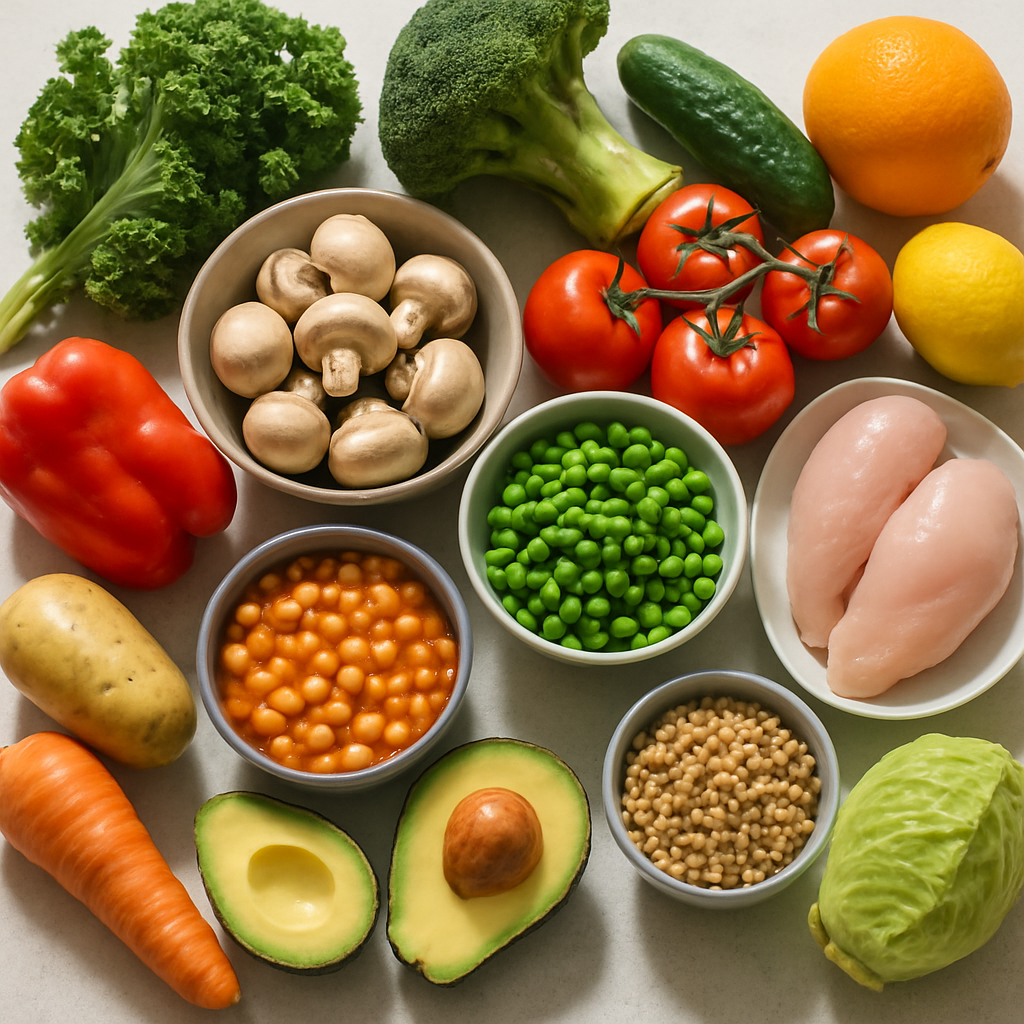
Dried and tinned pulses — lentils, chickpeas, kidney beans, black beans — are protein and fibre powerhouses that cost pennies per portion. A 500g bag of red lentils costs around 90p and contains roughly 10 servings. Eggs remain one of the most versatile, nutrient-dense foods available for under 25p each. Frozen vegetables are picked and frozen at peak ripeness, meaning their nutrient content is often comparable to — or better than — fresh produce that's been sitting in transit for days.
Oats, rice, and potatoes form the backbone of countless affordable meals and provide sustained energy alongside meaningful amounts of fibre, vitamins, and minerals. Tinned sardines and mackerel are among the cheapest sources of omega-3 fatty acids you'll find anywhere, often available for under £1 a tin.
These aren't compromise foods. They're genuinely good for you, and they've formed the basis of healthy, traditional diets across the world for centuries.
Where people actually overspend on fresh food
It's worth being honest about where fresh food budgets do go wrong — because there are real pitfalls, and ignoring them doesn't help anyone.
Pre-prepared convenience items marketed as healthy — pre-washed salad bags, spiralised vegetables, pre-portioned smoothie packs — carry a significant price premium for the labour someone else has done. A bag of pre-washed spinach costs three times what a full bunch of spinach costs, for the same amount of food.
Food waste is the other major culprit. The UK wastes around 9.5 million tonnes of food per year, much of it fresh produce. Buying more fresh food than you can realistically use before it goes off is a genuine way to spend more money and feel worse about it.
The fix isn't complicated: buy what you'll actually use, plan meals before you shop, and keep your freezer working for you. Bread going stale? Freeze it. Bananas browning? Freeze them for porridge or cooking. Meat near its use-by date? It goes in the freezer too.
Smart strategies that actually work
None of this requires military-level planning or endless spreadsheets. A few consistent habits make a real difference.
Shop from the middle and bottom shelves. Supermarkets place premium and branded products at eye level. Own-brand oats, tinned tomatoes, and dried pulses are functionally identical to their branded counterparts and consistently cheaper.
Eat meat less often, not necessarily never. Meat is typically the most expensive ingredient in a meal. Shifting a couple of dinners a week towards plant-based protein — lentil soup, egg fried rice, bean chilli — cuts the weekly food bill noticeably without requiring any philosophical commitment to a particular diet.
Use your freezer strategically. Batch cooking a large pot of something — soup, curry, stew — and freezing portions means you always have a real meal available, which is usually the moment when the temptation to order a £12 takeaway is strongest.
Frozen fruit and vegetables deserve more respect. They're cheaper, have a longer shelf life, and are nutritionally comparable to fresh. Keeping a bag of frozen spinach, peas, and mixed peppers in the freezer means you can add vegetables to almost any meal without worrying about spoilage.
Making it practical: meal ideas under £1.50 per serving
Here are some genuinely satisfying meals where the ingredient cost works out at £1.50 per portion or less:
- Red lentil dal with rice — lentils, tinned tomatoes, onion, garlic, and basic spices. About 60p per serving.
- Egg and potato frittata — eggs, potatoes, frozen peppers, onion. Around 80p per serving.
- Sardine pasta — tinned sardines, pasta, garlic, lemon, chilli flakes. Under £1 per serving.
- Vegetable and chickpea soup — tinned chickpeas, frozen mixed veg, stock, onion, garlic. About 50p per serving.
- Overnight oats — oats, milk, frozen berries, a spoonful of peanut butter. Under 70p per serving.
None of these require special equipment, unusual ingredients, or significant cooking skill. They're quick, filling, and nutritionally solid.
Practical takeaways
If you want to close the gap between your food budget and the quality of what you're eating, start here:
Build meals around cheap protein first — eggs, lentils, tinned fish, chickpeas. These are your anchors. Everything else is built around them.
Plan before you shop, even loosely. You don't need a rigid weekly meal plan, but having a rough idea of what you'll cook means you buy what you'll use and waste far less.
Rethink the role of meat. It doesn't have to disappear from your diet — but treating it as an occasional feature rather than a daily requirement changes your budget significantly.
Keep a well-stocked store cupboard. Tinned tomatoes, dried pulses, oats, rice, pasta, basic spices, olive oil, and soy sauce can make dozens of different meals between them. When your fridge is bare, a good store cupboard means you're never starting from nothing.
Don't dismiss frozen. It's not a lesser version of fresh — it's often the smarter, cheaper, less wasteful option.
Eating well on a budget isn't about sacrifice. It's about knowing which foods do the most work for the least money — and it turns out, those foods are also some of the most nutritious ones available.
If you want a meal plan that's built around your budget and your macros without the guesswork, Macrology generates macro-perfect meal plans in seconds — https://macrology.app/signin
Want meals like this planned to your exact macros?
Macrology generates a personalised meal plan in seconds — breakfast, lunch, dinner and snacks, all hitting your daily targets.
Start your free 14-day trial