How to eat fresh food for less than junk food
# How to Eat Fresh Food for Less Than Junk Food
There's a persistent idea that eating well costs more — that fresh vegetables, home-cooked meals, and decent ingredients are somehow a luxury. But when you actually run the numbers, a bag of frozen spinach, a tin of lentils, and a few eggs will feed you for less than a meal deal and keep you fuller for longer.
The "healthy food is expensive" narrative isn't entirely wrong, but it's often applied too broadly. With a bit of know-how, fresh and nutritious food can comfortably undercut a trip to the golden arches — and this article will show you exactly how.
Why the "healthy eating is expensive" myth persists
The comparison people usually make is unfair from the start. A punnet of blueberries versus a packet of biscuits. Organic salmon versus a frozen pizza. Of course the wholesome option looks pricey when you cherry-pick the premium end of the fresh food aisle.
The problem is that cost-per-meal is rarely how people think about food shopping. They see the price tag on the shelf and make a snap comparison, without accounting for how many portions something yields or how filling it actually is.
A £1.09 tin of chickpeas makes four generous servings. A £3.50 meal deal lasts one sitting. When you reframe the maths, the gap between "junk" and "fresh" closes considerably — and in many cases, reverses entirely.
The real cost of ultra-processed convenience food
Convenience food feels cheap because the price is upfront and the portion is obvious. You hand over £1.50 and you get a thing. But the cost-per-calorie — and more importantly, the cost-per-unit-of-satiety — tells a different story.
Ultra-processed foods are specifically engineered to keep you eating. The combination of refined carbohydrates, salt, and fat tends to blunt the signals that tell your brain you're satisfied, which means you often end up eating more, buying more, and spending more over the course of a day.
Research published in the British Medical Journal found that diets high in ultra-processed foods were associated with higher overall food spend when total consumption was accounted for — not just the individual item price. Cheap per packet, yes. Cheap per satisfied stomach, not necessarily.
What the evidence shows
The idea that nutritious food is inherently expensive has been tested directly. A 2021 analysis by the Food Foundation found that the healthiest foods in the UK cost 2.5 times more per calorie than less healthy options — but this figure is widely misunderstood.
Calorie-for-calorie comparisons favour energy-dense, low-nutrient foods almost by definition. You're essentially measuring how efficiently something fattens you up, not how well it nourishes you or how full it leaves you.
When researchers at Harvard reframed the comparison around diet quality per day rather than per calorie, the difference in cost between a healthy and less-healthy diet narrowed to roughly $1.50 — about £1.20 — per person per day. For a single person eating three meals, that's a very small premium, and one that largely disappears when you cook from scratch rather than buying packaged health foods.
The takeaway from the research isn't that healthy food is free — it's that the cost gap is much smaller than people assume, and practical strategies can close it entirely.
Where fresh food actually wins on price
There are specific categories where fresh or minimally processed food is simply cheaper, full stop. These aren't edge cases — they're staples.
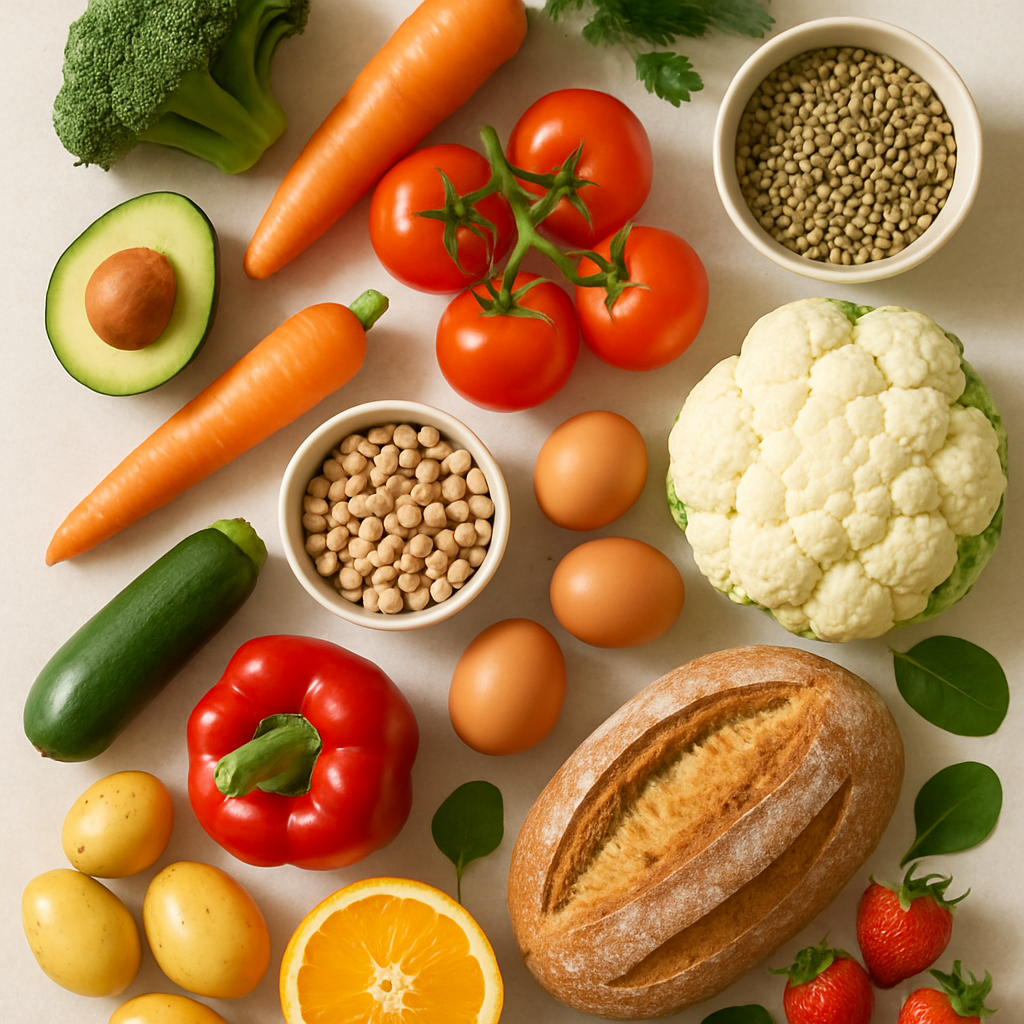
Dried and tinned pulses (lentils, chickpeas, black beans, butter beans) are among the most protein-dense, fibre-rich foods available, and they cost pennies per serving. A 500g bag of red lentils from any major UK supermarket costs around £1.20 and makes eight to ten portions of dal, soup, or bolognese.
Frozen vegetables are nutritionally comparable to fresh — in some cases better, because they're frozen at peak ripeness — and cost a fraction of what you'd pay for the equivalent fresh. A 1kg bag of frozen broccoli or spinach typically costs under £1.50.
Eggs remain one of the most complete sources of protein available at around 20p per egg. Two eggs with some wilted greens and a slice of sourdough is a nutritionally solid meal for well under £1.
Seasonal produce bought loose rather than pre-packaged is consistently cheaper than its out-of-season or pre-cut counterpart. A loose butternut squash, a bag of carrots, or a head of cabbage bought in season will often cost less than a single chocolate bar.
Practical strategies that actually work
Knowing which foods offer value is one thing. Building habits around them is another. Here are approaches that make a tangible difference without requiring you to become a spreadsheet-wielding meal prep zealot.
Plan before you shop. This sounds obvious but it's the single most effective way to reduce food waste and overspending. Even a rough outline of four or five dinners means you buy with purpose rather than optimism. Unused fresh ingredients that turn into bin fodder are the silent budget killer most people overlook.
Build meals around cheap proteins, not expensive ones. Chicken breast and salmon are fine, but lentils, eggs, tinned fish, tofu, and legumes all hit meaningful protein targets at a fraction of the cost. A tin of sardines costs around 80p and contains more omega-3 than most premium supplements.
Cook in batches. A big pot of lentil soup, a tray of roasted vegetables, or a batch of whole grains like brown rice or oats costs roughly the same in time and energy as making a single portion — but it eliminates the "I can't be bothered, I'll just order something" scenario that genuinely does add up.
Use your freezer properly. Bread, bananas going soft, leftover rice, half a tin of tomatoes — most things freeze. The freezer is the most underused weapon in the budget cooking toolkit.
Shop the reduced aisle without shame. Supermarket yellow sticker sections exist because shops need to clear stock before it spoils. That's fresh food at sometimes 50–75% off. Going at the right time (usually late afternoon or evening) can yield remarkable results.
Common objections, answered honestly
"But I don't have time to cook from scratch." Fair — though it's worth questioning what "from scratch" means. Tinned tomatoes, pre-cooked lentils, and a bag of frozen veg thrown together in twenty minutes is technically from scratch, and it's faster than waiting for a delivery.
"Fresh food goes off before I can use it." This is a planning problem more than a food problem. Buying frozen, buying in smaller quantities, or building meals that use the same ingredients across the week all help. You don't need a fridge full of pristine fresh produce — you need a handful of reliable, versatile ingredients.
"Healthy food doesn't fill me up." This usually comes down to protein and fibre, both of which are abundant in the cheap staples already mentioned. A bowl of lentil dal with rice is genuinely more filling than most fast food options, calorie for calorie.
Your practical starting point
You don't need to overhaul your entire way of eating overnight. Here's a simple place to begin:
- Swap one takeaway or meal deal per week for a home-cooked alternative using tinned or frozen ingredients. Track the difference in cost over a month.
- Stock three or four cheap staples that you actually enjoy — tinned lentils, frozen spinach, eggs, oats, tinned tomatoes — and keep them in rotation.
- Spend five minutes on Sunday sketching out a rough plan for the week's dinners. Nothing rigid, just a direction.
- Try one batch cook — a big soup, a curry, a grain bowl base — and see whether having ready-made food in the fridge changes your weeknight decisions.
Small, repeated actions compound. The goal isn't perfection — it's finding a rhythm that works for your actual life.
If you want to stop guessing and start eating well within a realistic budget, Macrology generates macro-perfect meal plans in seconds — https://macrology.app/signin
Want meals like this planned to your exact macros?
Macrology generates a personalised meal plan in seconds — breakfast, lunch, dinner and snacks, all hitting your daily targets.
Start your free 14-day trial