How to cut the cost of your food bill without compromising on quality
# How to Cut the Cost of Your Food Bill Without Compromising on Quality
Most of us have noticed the difference at the checkout over the past couple of years. Food prices have climbed sharply, and the idea that eating well is an expensive luxury has only grown louder — but it doesn't have to be true.
The good news is that some of the most nutritious foods on the planet are also some of the cheapest. With a bit of planning and a few shifts in how you think about your weekly shop, it's entirely possible to eat well and spend less at the same time.
The myth that healthy eating is expensive
This one gets repeated so often it's started to feel like fact. The reality is more nuanced.
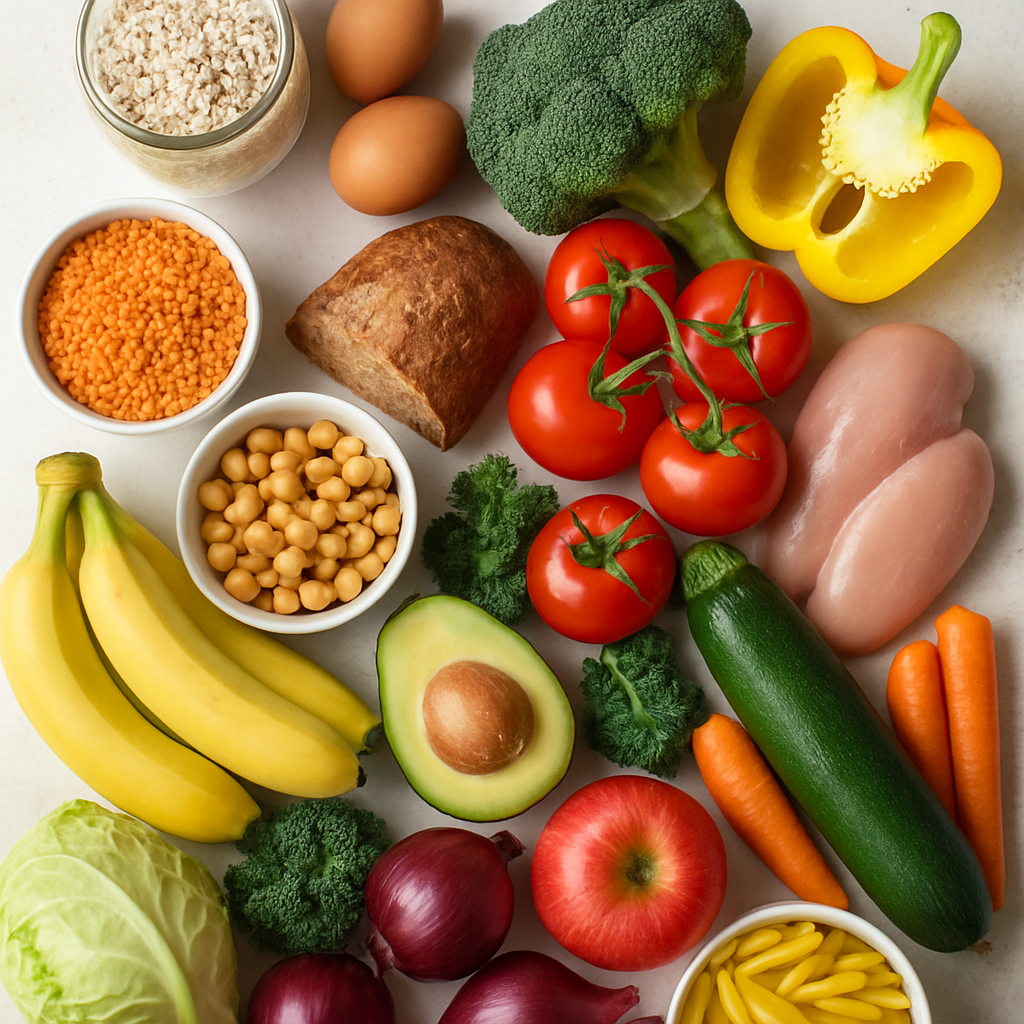
Yes, certain items — organic produce, specialist health foods, premium cuts of meat — carry a premium price tag. But nutrition doesn't live exclusively in those aisles. Tinned lentils, frozen vegetables, oats, eggs, and sardines are all among the most nutrient-dense foods available, and none of them will break the bank.
A 2021 study published in The Lancet found that plant-rich diets are not only better for health outcomes but are also consistently cheaper than diets high in processed foods and meat. The expensive version of healthy eating is optional — not the default.
What the evidence shows
Research consistently supports the idea that cost and nutritional quality don't have to be in conflict.
A study from the University of Washington found that energy-dense, ultra-processed foods cost less per calorie — but when researchers measured cost per nutrient, whole foods like legumes, eggs, and wholegrains came out significantly cheaper. The confusion arises because we're often comparing calories to calories, not nutrients to nutrients.
The British Dietetic Association has also highlighted that frozen and tinned produce retains the vast majority of its nutritional value. Frozen peas, for example, are often harvested and frozen within hours of picking, meaning they can actually be more nutritious than fresh peas that have spent several days in transit and on a shelf. This is a genuinely useful piece of information that most people don't act on.
The evidence also points clearly to planning as one of the biggest drivers of food waste and overspending. The average UK household throws away around £60 worth of food every month, according to WRAP. That's not a small number — and most of it is avoidable.
Build your meals around cheaper protein sources
Protein tends to be the most expensive part of any meal, and it's also where the biggest savings can be made without sacrificing nutrition.
Meat doesn't need to disappear from your diet — but making it a smaller part of the picture, and choosing cheaper cuts when you do buy it, goes a long way. Chicken thighs cost a fraction of chicken breasts and are arguably more flavourful. Tinned fish — sardines, mackerel, tuna — is rich in omega-3 fatty acids and costs very little per serving.
Legumes deserve a proper mention here. Lentils, chickpeas, kidney beans, and black beans are all high in protein, high in fibre, and genuinely versatile. A 400g tin of chickpeas costs around 50p and provides roughly 19g of protein. Dried lentils are even cheaper. These aren't substitutes to feel bad about — they're foods with a strong nutritional profile in their own right.
A practical approach many people find useful is the "protein anchor" method: plan your meals for the week by choosing two or three protein sources and building everything else around them. This avoids the habit of picking up random expensive items and ending up with a fridge full of things that don't go together.
Frozen and tinned: your most underrated allies
There's still a lingering perception that frozen or tinned food is somehow lesser — a compromise. It isn't.
Frozen vegetables are picked at peak ripeness and flash-frozen quickly, which locks in nutrients. Tinned tomatoes, pulses, and fish are shelf-stable, cheap, and nutritionally solid. Building a well-stocked freezer and a decent tinned food cupboard gives you the foundation of dozens of meals without any pressure to use things up before they go off.
This also dramatically reduces food waste, which is essentially money going in the bin. If you buy fresh spinach with vague intentions and it wilts before you get to it, that's both a nutritional and a financial loss. A bag of frozen spinach sits in the freezer until you actually need it.
Some staples worth always having in:
- Tinned tomatoes — the base for countless sauces, soups, and stews
- Tinned or dried lentils and chickpeas — protein, fibre, and satiety for very little money
- Frozen peas, spinach, and edamame — quick, nutritious, and zero waste
- Frozen fish portions — often significantly cheaper than fresh equivalents
- Oats — one of the most cost-effective breakfast options available
Shop with a plan, not with good intentions
Supermarket shopping without a plan is expensive. It leads to impulse buys, duplicated ingredients, and food that doesn't get used.
Meal planning — even loosely — changes this. When you know what you're cooking for the week, you buy what you need, use what you buy, and waste very little. It doesn't need to be a rigid schedule. Even mapping out five or six dinners and having a rough idea of lunches makes a significant difference to both your spend and your stress levels at 6pm on a Tuesday.
Batch cooking is the natural companion to meal planning. Cooking a larger quantity of something — a lentil dal, a big pot of soup, a tray of roasted vegetables — means you eat well on the nights you don't want to cook, and you're far less likely to reach for an expensive convenience option.
Shopping with a list and a budget in mind also changes how you interact with the supermarket. You notice the store-brand alternatives. You look at the price-per-100g rather than the packet price. You skip the things that weren't on your radar before you walked in.
Make the most of seasonal and own-brand options
Seasonal produce is almost always cheaper than out-of-season alternatives, and it tends to taste better too — which matters, because food that's enjoyable to eat is food you'll actually eat.
In the UK right now, that might mean leaning into root vegetables in winter, brassicas like broccoli and cabbage, and whatever's on offer at the market or the reduced section. Supermarket own-brand staples — pasta, rice, tinned goods, oats, flour — are nutritionally identical to their branded counterparts and often significantly cheaper. The money saved on a bag of own-brand pasta is the same as the money saved on anything else.
It's also worth knowing that supermarket loyalty schemes and apps now offer genuinely useful personalised discounts. Taking five minutes to clip digital coupons or check the app before you shop isn't glamorous, but it adds up meaningfully over a month.
Practical takeaways you can use this week
These aren't sweeping lifestyle overhauls — just concrete actions that make a real difference:
1. Write a meal plan before you shop. Even a rough one. Work out what protein you're using and build from there. 2. Stock your freezer and cupboards with the basics — tinned pulses, frozen veg, oats, tinned fish. These are your safety net on busy days. 3. Buy cheaper cuts and batch cook. A slow-cooked chicken thigh stew made on Sunday feeds you for three days. 4. Swap branded staples for own-brand. Pasta, rice, tinned tomatoes — there's no meaningful nutritional difference. 5. Check the reduced section and plan one meal around it. This takes practice but becomes second nature. 6. Use the price-per-100g label, not the packet price, when comparing products. Supermarkets are legally required to display this. 7. Lean into legumes at least a few times a week. They're cheap, filling, and genuinely good for you — the evidence on gut health and blood sugar regulation alone is worth paying attention to.
---
If you want to eat well on a budget without spending hours figuring out what to cook, Macrology generates macro-perfect meal plans in seconds — [https://macrology.app/signin](https://macrology.app/signin)
Eating well on less money isn't about lowering your standards. It's about knowing which standards actually matter — and the evidence suggests they're well within reach for most people, most of the time.
Want meals like this planned to your exact macros?
Macrology generates a personalised meal plan in seconds — breakfast, lunch, dinner and snacks, all hitting your daily targets.
Start your free 14-day trial