How to cut the cost of your food bill without compromising on quality
# How to Cut the Cost of Your Food Bill Without Compromising on Quality
Most of us have felt the pinch at the supermarket checkout recently. Food prices in the UK have risen sharply over the past few years, and while inflation is starting to ease, grocery bills remain significantly higher than they were just a few years ago.
The good news is that eating well and eating affordably are not mutually exclusive — and with a few smart habits, you can bring your spending down without sacrificing nutrition or flavour.
Why "Eating Healthy" Doesn't Have to Be Expensive
There's a persistent myth that nutritious food costs more. And it's easy to see where it comes from — a bag of kale next to a bag of crisps, a pot of Greek yoghurt next to a multipack of chocolate bars. But this comparison is a bit misleading.
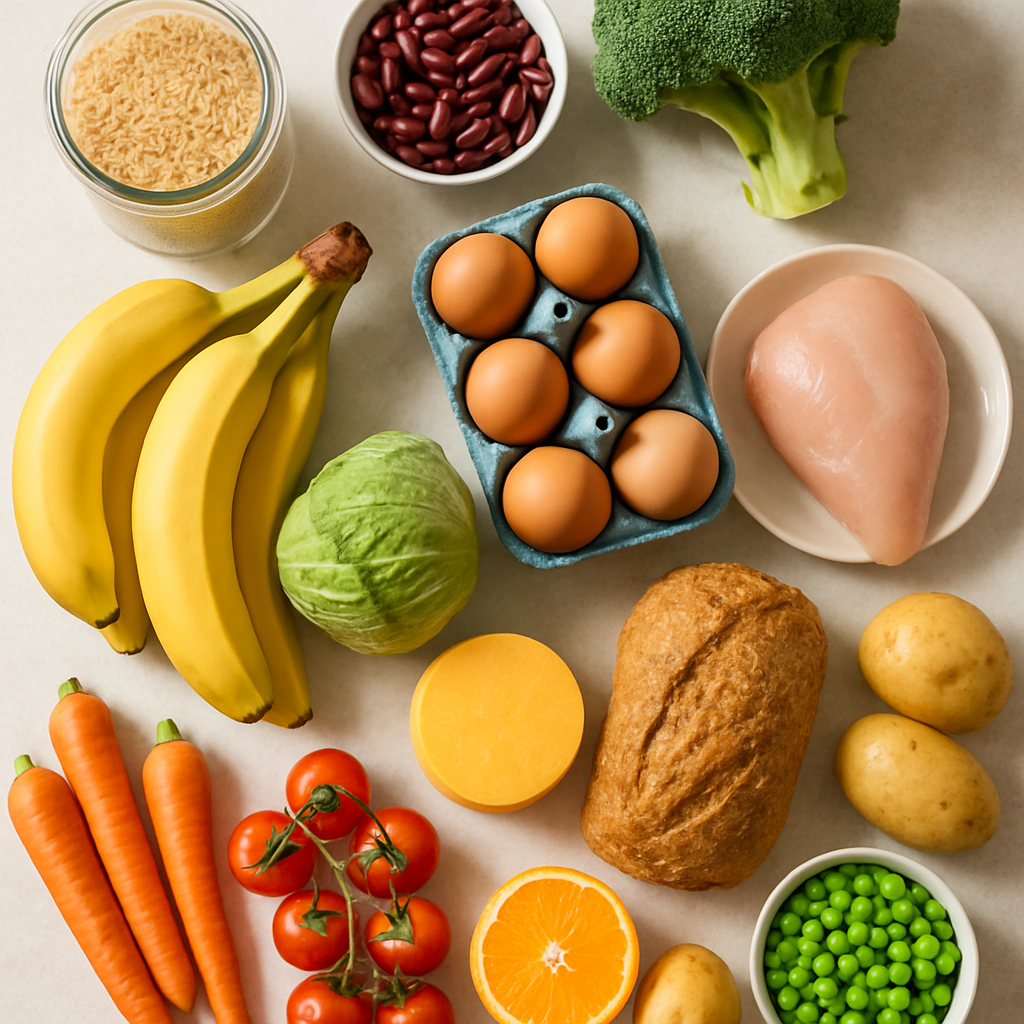
When you start planning meals around whole, minimally processed ingredients rather than branded convenience products, the maths shifts dramatically. Dried lentils, tinned chickpeas, oats, frozen vegetables, eggs, and tinned fish are among the most nutrient-dense foods available — and they're also among the cheapest items in any supermarket.
The real cost driver in most food budgets isn't the vegetables. It's the snacks, the meal kits, the premium branded goods, and the food that gets thrown away.
What the Evidence Shows
Research consistently supports the idea that some of the most nutritious foods are also the most affordable. A 2021 analysis published in Public Health Nutrition found that legumes, wholegrains, and frozen produce offer some of the best nutritional value per pound spent — often outperforming fresh, premium alternatives.
The NHS's own guidance on a balanced diet aligns closely with foods that tend to cost less: starchy carbohydrates like potatoes, rice, and pasta; plenty of fruit and vegetables (including frozen and tinned); pulses and beans as protein sources; and dairy or dairy alternatives.
Frozen vegetables are a particularly underappreciated option. They're picked and frozen at peak ripeness, meaning their vitamin content is often comparable — or even superior — to fresh produce that's been sitting in transit and on a shelf for several days. A 2017 study from the University of Chester found that frozen produce matched or exceeded fresh in nutrient levels across the majority of tests.
The evidence also points to food waste as a major hidden cost. The average UK household throws away around £730 worth of food every year, according to WRAP. Tackling waste is arguably the single biggest lever most families have for reducing their food bills without changing what they eat at all.
Plan Your Meals Before You Shop
This one sounds obvious, but the gap between knowing it and actually doing it is enormous. Most people who overspend on food do so not because of one expensive purchase, but because of a slow accumulation of unplanned trips, half-used ingredients, and last-minute takeaways when there's "nothing in."
Meal planning — even loosely — changes your relationship with the supermarket. When you go in with a list built around specific meals, you buy what you need. You're less susceptible to offers on things you don't require, and you drastically reduce the chance of ingredients going unused.
You don't need a rigid, military-style plan. Even knowing roughly what you'll eat for five out of seven dinners puts you in a much stronger position than winging it every day.
Build Your Shopping Around Flexible Staples
Rather than planning around specific recipes that each require their own unique set of ingredients, try building your week around a core set of staples that can be combined in multiple ways.
A batch of cooked brown rice, for example, can become egg fried rice on Monday, a base for a simple vegetable curry on Wednesday, and stuffed peppers by Friday. Tinned tomatoes, onions, garlic, dried spices, and a rotating protein (eggs, lentils, chicken thighs, tinned tuna) will take you through a surprising variety of meals without much repetition.
This approach also means fewer specialist ingredients sitting in your cupboard going off. One of the quieter budget-killers is buying a jar of something for one recipe and never touching it again.
Batch cooking plays into this well. Spending an hour or two on a Sunday cooking a large pot of soup, a tray of roasted vegetables, or a grain salad means you have ready-to-go food during the week — reducing the temptation to grab something expensive and convenient when you're tired and hungry.
Get Strategic With Protein
Protein tends to be the most expensive macronutrient to source, especially if your diet revolves around fresh meat and fish. That's not a reason to avoid them — but diversifying your protein sources is one of the most effective ways to bring costs down.
Eggs are exceptional value. A box of six free-range eggs in the UK typically costs less than £2 and provides around 42g of high-quality protein. Tinned sardines and mackerel are among the cheapest sources of omega-3 fatty acids available. Pulses — lentils, chickpeas, black beans, kidney beans — are nutritionally excellent and cost a fraction of meat per serving.
If you do buy meat, cheaper cuts are often more nutritious and more flavourful than the premium options. Chicken thighs have more fat and more flavour than breasts, and they cost considerably less. Lamb shoulder and beef shin respond beautifully to slow cooking, meaning you get rich, satisfying meals at a lower cost per portion.
This isn't about removing anything from your diet — it's about widening the repertoire so you're not paying premium prices every single day.
Reduce Waste at Every Stage
The WRAP figure of £730 per household per year works out to roughly £14 a week — which is a meaningful sum for most families. Reducing that figure, even partially, is like giving yourself a pay rise on your food budget.
A few practical habits make a significant difference. Use the "first in, first out" principle in your fridge — newer items go at the back, older ones come to the front. Check your fridge before you shop, not after. Freeze bread, meat, and dairy before they go off rather than waiting until it's too late.
Get comfortable with flexible thinking about ingredients. A slightly soft pepper is fine in a stir-fry. Bananas that are too ripe to eat are perfect for banana bread or blended into porridge. Vegetables on the turn can go into a soup or a frittata. None of this requires culinary talent — just a small shift in mindset.
Leftovers are one of the most underrated tools in a budget kitchen. Cooking double portions intentionally means you have lunch sorted for the next day without any additional cost or effort.
Practical Takeaways
Here's what you can act on this week:
- Audit your current spending — go through last month's food receipts and identify where the money actually went. Most people are surprised.
- Write a meal plan before your next shop, even a rough one. Five dinners planned is enough to make a meaningful difference to your bill.
- Swap one meat-based meal per week for a pulse or egg-based alternative. A lentil dhal or a Spanish-style chickpea stew costs a fraction of a meat dish and is genuinely satisfying.
- Buy frozen vegetables as standard, not as a compromise. Keep a bag of frozen spinach, peas, and mixed veg in the freezer and use them freely.
- Designate a "use it up" meal once a week — Friday nights work well — where you cook based on whatever needs using rather than a recipe.
- Batch cook one thing on the weekend, even if it's just a pot of grains or a simple soup. It pays dividends throughout the week.
None of these steps require a dramatic overhaul. Small, consistent changes to how you plan, shop, and store food tend to have a bigger cumulative impact than any single big decision.
---
If you want a smarter way to plan meals that works around your budget and your macros, Macrology generates macro-perfect meal plans in seconds — https://macrology.app/signin
Want meals like this planned to your exact macros?
Macrology generates a personalised meal plan in seconds — breakfast, lunch, dinner and snacks, all hitting your daily targets.
Start your free 14-day trial