How to cut the cost of your food bill without compromising on quality
# How to Cut the Cost of Your Food Bill Without Compromising on Quality
Most of us have noticed that the weekly shop costs noticeably more than it did a few years ago. UK food prices rose by over 25% between 2021 and 2023, and while inflation has slowed, those prices haven't come back down. The good news is that eating well on less money isn't about sacrificing nutrition — it's about shopping and cooking smarter.
The myth that healthy eating is expensive
There's a persistent idea that nutritious food is a luxury. And to be fair, it's not entirely without basis — certain health food products, specialist ingredients, and pre-prepared "wellness" meals can be genuinely pricey.
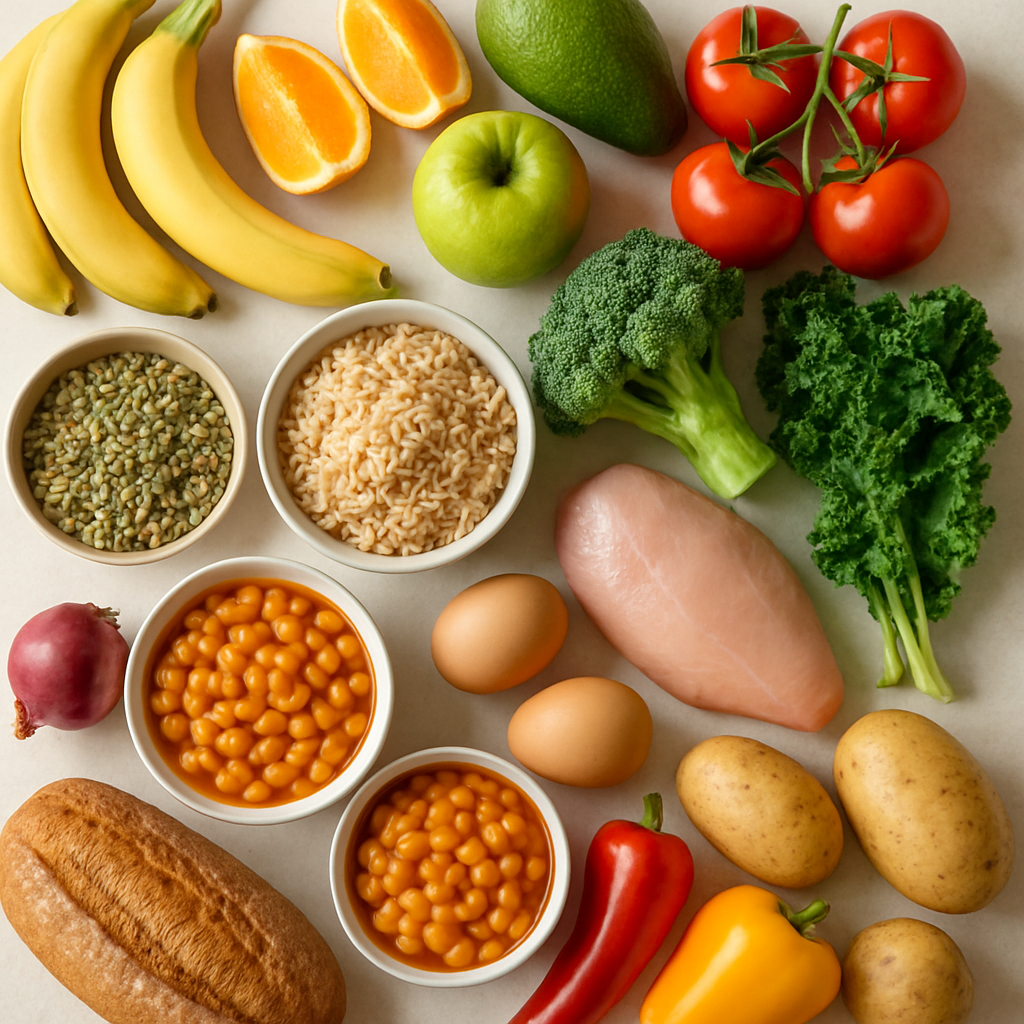
But the most nutritionally dense foods on the planet are also some of the cheapest. Lentils, oats, eggs, tinned fish, frozen vegetables, bananas, and plain yoghurt are all excellent sources of protein, fibre, vitamins, and minerals — and none of them will break the bank.
The expensive version of healthy eating is optional. You don't need chia seeds, adaptogen powders, or £4 protein bars. The fundamentals of a balanced diet are available in every supermarket at very ordinary prices.
What the evidence shows
Research consistently demonstrates that diet quality doesn't have to correlate with cost. A 2013 study published in the British Medical Journal found that the healthiest diets cost on average $1.50 more per day than less healthy ones — a figure that's been widely cited as evidence that eating well is inherently costly.
But that study had a significant limitation: it focused heavily on fresh, premium products and didn't account for cooking at home using staple ingredients. Subsequent research has been more nuanced. A 2021 analysis in PLOS ONE found that plant-forward diets built around legumes, wholegrains, and vegetables were among the most affordable dietary patterns available, often cheaper than diets heavy in processed meat and convenience food.
The key variable isn't food category — it's form and preparation. Fresh salmon is expensive; tinned salmon is not. Pre-washed salad bags are costly per gram of nutrition; a head of cabbage is not. The nutrient content isn't dramatically different. The price difference is substantial.
Build meals around cheap, high-protein staples
Protein tends to be the most expensive macronutrient to source, which is why it's worth being strategic about where yours comes from.
Chicken thighs cost a fraction of chicken breasts and are arguably more flavourful. Eggs remain one of the most cost-effective complete protein sources available — around 8–10p per egg depending on where you shop. Tinned pulses (chickpeas, lentils, kidney beans) are under 50p a tin and provide both protein and fibre. Frozen edamame, Greek yoghurt, and cottage cheese round out a list of affordable, protein-rich options that don't require much effort to prepare.
Red meat doesn't have to disappear entirely either. Mince — particularly beef or turkey mince — is relatively affordable and versatile. Used in small quantities as part of a meal that also includes pulses, you get the flavour and iron content of meat while significantly stretching the cost per serving.
Frozen and tinned aren't second best
One of the most useful shifts in thinking is letting go of the idea that fresh is always superior. Nutritionally, that simply isn't true.
Frozen vegetables are typically frozen within hours of harvest, which locks in vitamins and minerals at their peak. Some studies have found that frozen spinach, peas, and broccoli contain equal or higher levels of certain nutrients compared to their fresh equivalents that have been sitting in transit and on shelves for several days.
Tinned tomatoes, tinned fish, tinned pulses, and tinned fruit in juice are all nutritionally solid options. The main thing to watch with tinned products is sodium content — rinsing tinned pulses and choosing tinned fish in water rather than brine or oil can make a difference if you're monitoring salt intake.
A freezer is genuinely one of the most powerful tools for eating well on a budget. Batch cooking and freezing portions, buying frozen vegetables in bulk, and freezing bread before it goes stale can dramatically reduce waste and cost simultaneously.
Plan before you shop — and mean it
Meal planning is the single biggest lever most households can pull to reduce food costs. According to WRAP (the UK's Waste and Resources Action Programme), UK households throw away approximately £700 worth of food each year. That's not a small number.
The waste tends to happen in predictable ways: buying vegetables with vague intentions rather than specific meals in mind, cooking for two when you're only feeding one, or overbuying perishables because a larger pack was on offer.
Planning meals before you write your shopping list means you buy what you'll actually use. It also allows you to spot opportunities to use the same ingredient across multiple meals — roasting a batch of sweet potato that works in Tuesday's grain bowl and Thursday's soup, for example, or cooking a large batch of lentils that forms the base of two different dinners.
It sounds simple because it is. The difficulty is consistency — which is exactly where tools like Macrology can do the heavy lifting for you.
If you want meal plans that are already built around cost-effective, nutritious ingredients, Macrology generates macro-perfect meal plans in seconds — https://macrology.app/signin
Shop with a strategy, not just a list
Having a list is a start. Shopping strategically is the next level.
A few habits that make a genuine difference:
Check the reduced section first. Most supermarkets mark down perishables — meat, fish, dairy, baked goods — daily, often in the morning and again in the evening. Buying reduced-price chicken and freezing it immediately is a perfectly sensible way to cut costs without compromising on quality.
Compare price per 100g, not pack price. The larger pack isn't always better value, and own-brand products are frequently identical in nutritional quality to branded equivalents. Oats are oats. Frozen peas are frozen peas.
Be flexible with your protein. If you planned to make salmon but it's expensive this week, swap it for mackerel or sardines — both are nutritionally superior in terms of omega-3 content and typically much cheaper. Building flexibility into your meal plan means you can take advantage of what's actually good value when you get to the shop.
Avoid shopping hungry, and avoid shopping without knowing what you need. Both reliably lead to impulse purchases that don't contribute to the meals you actually cook.
Practical takeaways
Here's what you can act on this week:
- Swap one or two meat-based meals for lentil or chickpea-based ones. A lentil dahl or chickpea curry costs very little to make, takes under 30 minutes, and delivers solid protein, fibre, and iron. You're not losing anything nutritionally.
- Do a freezer audit before you shop. You probably have things in there you've forgotten about. Build at least one meal this week around what's already in your kitchen.
- Write a meal plan for the week — even a rough one. It doesn't need to be rigid, but knowing what you're broadly going to cook prevents over-buying and reduces the mental load of nightly "what's for dinner?" decisions.
- Switch to frozen vegetables for at least half your veg this week. See if you notice a difference in quality (you likely won't). You'll notice a difference in cost.
- Check unit prices, not just pack prices. Spend two minutes comparing per-100g costs on the items you buy most regularly. It adds up over a year.
Eating well within a tight budget isn't about eating less — it's about spending money on the things that actually deliver nutrition rather than convenience, branding, or habit. Small changes in how you plan and shop can make a surprisingly large difference to both your weekly spend and the quality of what ends up on your plate.
Want meals like this planned to your exact macros?
Macrology generates a personalised meal plan in seconds — breakfast, lunch, dinner and snacks, all hitting your daily targets.
Start your free 14-day trial