How to cut the cost of your food bill without compromising on quality
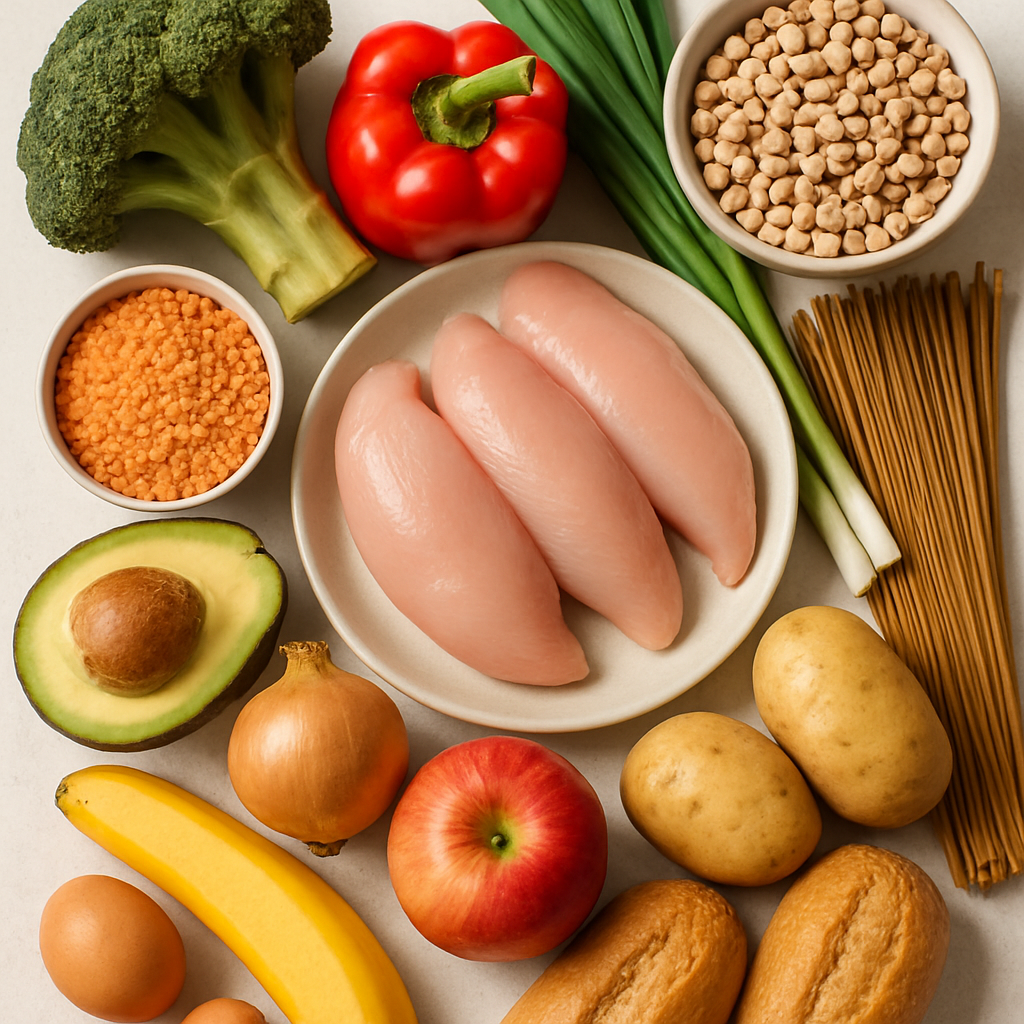
# How to Cut the Cost of Your Food Bill Without Compromising on Quality
Most of us have felt the pinch at the supermarket checkout over the past couple of years. But eating well on a budget doesn't have to mean plain rice and tinned beans every night — and it certainly doesn't mean sacrificing nutrition.
The good news is that some of the most nutritious foods on the planet are also some of the cheapest. A bit of planning and a few smart swaps can make a surprisingly big difference to both your wallet and what ends up on your plate.
Why Food Bills Crept Up — and Why Planning Is Your Best Defence
UK food prices rose by over 19% between 2022 and 2023, one of the sharpest increases in decades. Even as inflation has started to ease, many households are still spending significantly more on groceries than they were a few years ago.
The biggest driver of overspending isn't which supermarket you shop at — it's going in without a plan. Research consistently shows that unplanned shopping leads to more impulse purchases, more food waste, and more frequent top-up trips that quietly drain your budget.
Meal planning is the single most effective tool for reducing food spend. When you know exactly what you're cooking, you only buy what you need, and nothing gets forgotten at the back of the fridge. A 2020 study published in Public Health Nutrition found that households that meal planned were not only more likely to have a higher quality diet, but also spent less on food overall.
The Protein Myth: Expensive Doesn't Mean Better
There's a common assumption that high-quality protein means expensive protein — that chicken breasts, salmon fillets, and steak are the gold standard, and everything else is a compromise. That's simply not true.
Eggs, tinned fish, lentils, chickpeas, Greek yoghurt, frozen prawns, and tinned sardines are all excellent protein sources that cost a fraction of premium cuts. A 400g tin of lentils costs around 60–80p and provides roughly 26g of protein — comparable to a small chicken breast that might cost three times as much.
Pulses like lentils and chickpeas also come with fibre, iron, and slow-releasing carbohydrates, which means they're doing more nutritional work per penny than most animal proteins. They're not a downgrade — they're a different tool, and a very effective one.
Frozen fish and meat are also worth a mention. Nutritionally, frozen is equivalent to fresh — fish is typically frozen within hours of being caught, locking in its nutrient profile. Buying frozen gives you flexibility, reduces waste, and often costs significantly less than fresh equivalents.
What the Evidence Shows About Budget-Friendly Eating
One of the most persistent myths about nutrition is that eating healthily costs more. The evidence is more nuanced than that.
A 2021 report from the Food Foundation found that the healthiest diets in the UK do cost more on average — but much of that gap comes from reliance on expensive animal proteins and out-of-season produce. When researchers specifically compared budget meal plans built around whole grains, pulses, frozen vegetables, and eggs against typical UK diets, the cost difference narrowed considerably.
The nutrient-per-pound calculation is key. Broccoli, frozen spinach, tinned tomatoes, oats, and canned fish consistently rank as some of the most nutritious foods available — and they're all affordable staples. The expensive end of the health food market (protein powders, açaí, specialist supplements) tends to offer diminishing returns on both nutrition and cost.
A large-scale analysis published in The BMJ in 2019 also found that plant-rich diets were associated with lower environmental costs and lower financial costs compared with meat-heavy diets — suggesting that shifting your plate even slightly in this direction benefits both your budget and your health.
Shop Smarter, Not Harder
Switching supermarkets entirely isn't always practical — but a few tactical changes can make a meaningful difference without overhauling your entire routine.
Buy own-brand for staples. For items like tinned tomatoes, pasta, oats, frozen vegetables, and dried pulses, own-brand products are nutritionally identical to branded alternatives and often cost 30–50% less. The ingredient list is usually the same; you're paying for packaging and marketing with the branded version.
Use the freezer more aggressively. Batch cooking and freezing portions is one of the most effective ways to eat well on a tight budget. Cooking a big pot of soup, chilli, or dahl costs only a little more than a single portion but gives you six meals — and removes the temptation to spend on takeaways on a tired Tuesday evening.
Buying certain items in bulk also makes sense — dried lentils, oats, rice, and frozen vegetables all store well and are significantly cheaper per portion when bought in larger quantities. Just be honest with yourself about what you'll actually use before buying in bulk.
Reduce food waste systematically. The average UK household throws away around £730 worth of food every year, according to WRAP. That's not a small number. The most wasted items tend to be fresh produce, bread, and leftovers — all of which can be managed with better planning and a willingness to use the freezer.
Seasonal and Frozen Produce: The Underrated Budget Tool
Fresh, out-of-season produce is one of the quieter drains on a food budget. A punnet of strawberries in January has been flown in from somewhere significantly warmer — you pay for that journey.
Buying in-season produce is cheaper, and usually tastier. In the UK, that means leeks, carrots, parsnips, cabbage, and potatoes in winter; courgettes, peas, runner beans, and tomatoes in summer. Seasonal produce is typically 20–40% cheaper than its out-of-season equivalent and often higher in certain nutrients, as it hasn't spent time in cold storage.
Frozen vegetables deserve more credit than they get. Many people associate frozen with lower quality, but frozen peas, spinach, sweetcorn, and edamame are picked and frozen at peak ripeness, which means their vitamin content is often comparable to — or higher than — fresh produce that's been sitting in transport and on shelves for days.
Swapping a portion of your fresh vegetable shopping to frozen is one of the easiest ways to spend less without eating less well.
Building a Budget-Conscious Meal Plan
The mistake most people make when trying to cut food costs is going meal by meal, rather than thinking about the week as a whole. Planning across seven days means you can build in ingredient overlap — using the same tin of chickpeas across two different meals, or roasting a tray of vegetables that works for Monday's dinner and Wednesday's lunch.
A loose weekly structure helps enormously. Something like: two or three plant-based meals, two meals built around cheaper proteins (eggs, tinned fish, pulses), one batch-cooked meal that gives you leftovers, and one meal that uses up whatever's left in the fridge. That structure costs far less than buying ingredients for seven entirely different meals and wastes almost nothing.
It also helps to build your meal plan around what's on offer that week, rather than deciding on meals first and then shopping. Working backwards from discounted or seasonal ingredients is a habit that experienced home cooks swear by.
Practical Takeaways
Here's what you can act on this week:
- Write a meal plan before you shop. Even a rough one cuts impulse buying and waste significantly.
- Swap one or two meals a week to pulse-based proteins — lentil soup, chickpea curry, or a bean chilli. Nutritious, filling, and a fraction of the cost of meat.
- Switch to own-brand for staples. Oats, tinned tomatoes, pasta, frozen veg — the nutritional difference is negligible; the cost difference isn't.
- Get to know your freezer. Freeze bread before it goes stale, batch cook when you have time, and buy frozen fish and vegetables as standard.
- Shop seasonally where you can. A quick search for "UK seasonal produce [month]" takes thirty seconds and can guide cheaper, better shopping choices.
- Do a fridge audit before your weekly shop. Knowing what you already have prevents double-buying and uses up what would otherwise go to waste.
If you want a meal plan that fits your nutrition goals and your budget, Macrology generates macro-perfect meal plans in seconds — [https://macrology.app/signin](https://macrology.app/signin)
Eating well for less isn't about deprivation or eating the same thing every day. It's about being a little more deliberate — and the difference in both your food bill and your plate can be genuinely significant.
Want meals like this planned to your exact macros?
Macrology generates a personalised meal plan in seconds — breakfast, lunch, dinner and snacks, all hitting your daily targets.
Start your free 14-day trial