How to cut the cost of your food bill without compromising on quality
# How to Cut the Cost of Your Food Bill Without Compromising on Quality
Most of us have felt that particular sting at the supermarket checkout — the one where the total is somehow higher than expected, again. Eating well can feel expensive, but the truth is that some of the most nutritious foods on the planet are also among the cheapest. It's largely a matter of knowing where to look.
The myth that healthy eating has to be expensive
There's a persistent idea that eating nutritiously is a privilege — something that requires organic supermarkets, specialist ingredients, and a flexible budget. This simply isn't true, though it's easy to see where the idea comes from.
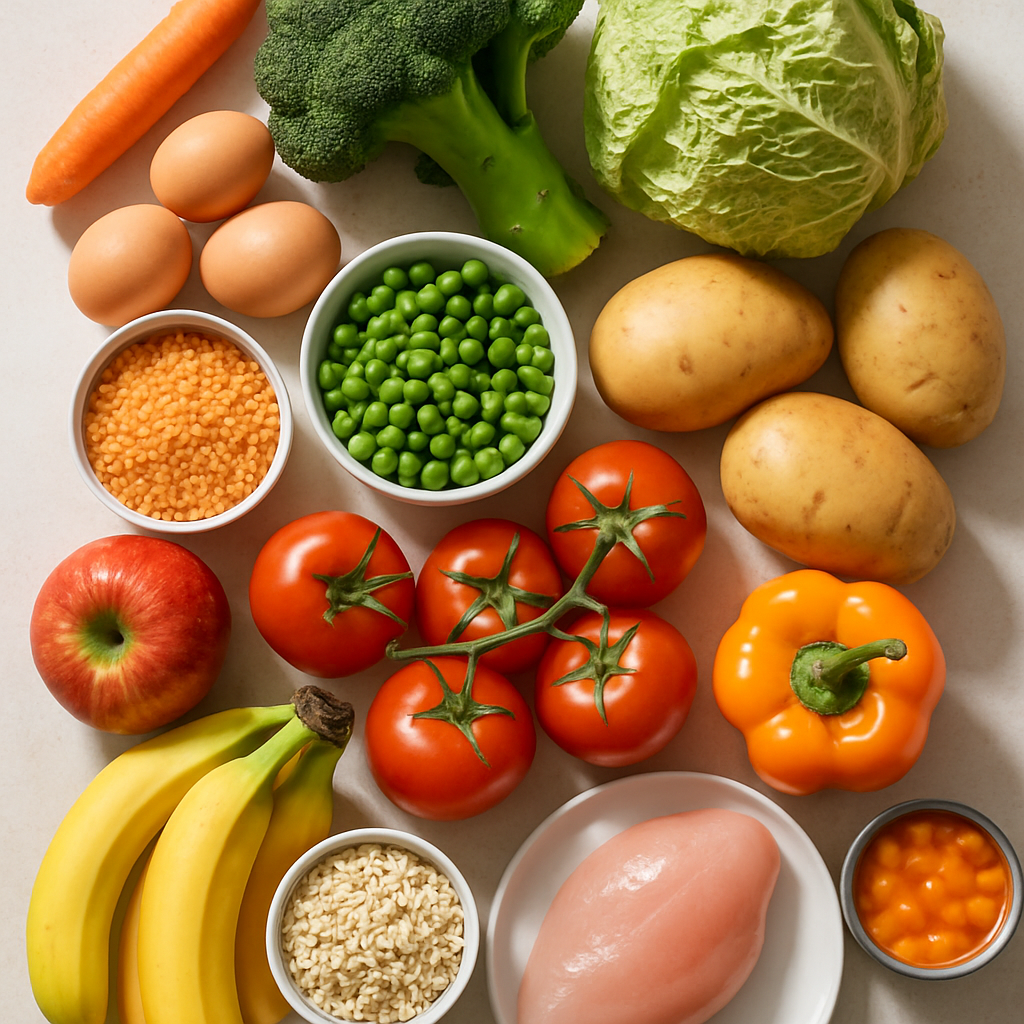
Heavily marketed "health foods" — think protein bars, superfood powders, and premium snack packs — are genuinely expensive. But these aren't what make a diet nutritious. The building blocks of good nutrition are largely humble, widely available, and affordable: eggs, lentils, oats, tinned fish, frozen vegetables, and wholegrains.
The cost problem usually comes down to planning, not budget. Without a clear idea of what you're going to cook, it's easy to over-buy, under-use, and fill the gaps with expensive convenience food.
What the evidence shows
Research consistently supports the idea that plant-forward diets — those built around legumes, wholegrains, vegetables, and modest amounts of animal protein — are both nutritionally robust and significantly cheaper than meat-heavy eating patterns.
A 2021 study published in The Lancet Planetary Health found that diets lower in meat and higher in plant-based foods were not only associated with better health outcomes but were also substantially less expensive across multiple countries, including the UK. The researchers estimated that a plant-rich diet could cost up to one third less than a typical Western diet.
Closer to home, research from the Food Foundation has highlighted that the cheapest healthy foods in UK supermarkets include dried pulses, frozen vegetables, oats, eggs, and tinned tomatoes — none of which require a specialist shop or a premium budget. The evidence doesn't point towards expensive; it points towards a different set of priorities.
Plan before you shop — seriously
This is the single most impactful habit when it comes to reducing food spend. People who shop without a plan are significantly more likely to waste food, and food waste in UK households costs the average family around £730 per year, according to WRAP.
Meal planning doesn't need to be complicated or rigid. Even a loose outline — knowing what you're having for dinners and roughly what lunches look like — is enough to stop the drift towards random purchases that never quite come together into a meal.
Planning also means you can shop around what's on offer rather than shopping around what you fancy in the moment. When you know a batch of lentil soup is on the agenda, a tin of lentils becomes purposeful rather than aspirational.
The other underrated benefit of planning is that it reduces the mental load of the "what's for dinner?" question — which often gets answered with an expensive takeaway when you're tired and uninspired at 6pm.
Build your shopping list around cheap, nutrient-dense staples
Not all affordable foods are created equal from a nutrition standpoint, but several overlap nicely with both low cost and high nutritional value.
Eggs are one of the most complete protein sources available, containing all essential amino acids along with vitamins B12 and D, choline, and selenium. A box of six free-range eggs typically costs under £2.
Tinned oily fish — sardines, mackerel, and pilchards — are among the cheapest sources of omega-3 fatty acids and vitamin D. Many people overlook these in favour of fresh salmon, but tinned mackerel at around 70p a tin provides comparable nutritional benefit.
Dried and tinned legumes — lentils, chickpeas, kidney beans, black beans — are high in protein, fibre, and micronutrients like iron, folate, and magnesium. Dried lentils in particular are remarkably cheap, often under £1 for enough to make four servings.
Frozen vegetables deserve a special mention. The freezing process locks in nutrients rapidly after harvest, meaning frozen peas, spinach, and broccoli often retain more vitamins than fresh produce that's been sitting on a shelf for several days. They're also significantly cheaper and produce no waste.
Oats are one of the most nutritionally complete breakfast options available — high in beta-glucan fibre, which has strong evidence behind it for supporting cholesterol levels — and one of the most affordable. A 1kg bag costs around £1 in most UK supermarkets.
Reduce meat without eliminating it
You don't need to go fully plant-based to bring costs down. Meat is typically the most expensive part of any meal, so even modest reductions make a meaningful difference.
One practical approach is "meat as a flavouring rather than a centrepiece". A small amount of bacon or chorizo in a lentil stew, or chicken thighs (far cheaper than breasts) stretched across a big batch of curry, delivers the flavour hit without the cost of making meat the main event.
Another approach is replacing meat in a few meals a week with eggs, legumes, or tinned fish. This isn't about restriction — it's just arithmetic. If three of your seven evening meals swap expensive mince for cheap lentils, the saving across a month is significant.
When you do buy meat, cheaper cuts cooked slowly are often more flavourful anyway. Shoulder, shin, and thighs tend to be better suited to the kind of low-and-slow cooking that suits batch preparation, which brings further savings.
Shop smarter, not just cheaper
There are several habits that consistently cut the food bill without touching quality.
Buy own-brand for staples. Supermarket own-brand tinned tomatoes, olive oil, pasta, rice, oats, and pulses are nutritionally identical to branded equivalents — often made in the same factories. The premium you pay for a brand on something like tinned tomatoes is entirely marketing.
Use the reduced section strategically. Meat and fish approaching their use-by date is often reduced significantly. If you're cooking it that day or freezing it immediately, it's a genuine bargain.
Batch cook and freeze. Cooking once and eating twice (or four times) is one of the most reliable ways to bring cost-per-meal down. A big pot of dal, soup, or bolognese sauce costs almost the same to make as a single portion but yields multiple meals.
Check the unit price, not the shelf price. The larger format isn't always cheaper per 100g — it depends on the product and the offer. Most supermarket apps and websites display unit pricing, making it easy to compare.
Practical takeaways you can act on this week
Here are some specific, low-effort changes that add up quickly:
- Write a loose meal plan before you shop — even just dinners for the week
- Add one or two egg or legume-based dinners to your weekly rotation this week
- Swap fresh for frozen on any vegetables you find yourself throwing away regularly
- Buy dried lentils or split peas if you haven't — they're versatile, fast to cook, and cost almost nothing
- Try own-brand versions of your five most-purchased staples for a month and see if you notice a difference
- Check the reduced section when you're passing and keep a few freezer staples you can rotate in
- Cook once, eat twice — make slightly larger batches of whatever you're already cooking and freeze the rest
None of these require a dramatic overhaul. A few small shifts in habit, repeated consistently, tend to produce more lasting change than a complete reset that's hard to maintain.
If you want to eat well on a realistic budget without the mental load of figuring it all out yourself, Macrology generates macro-perfect meal plans in seconds — https://macrology.app/signin
Want meals like this planned to your exact macros?
Macrology generates a personalised meal plan in seconds — breakfast, lunch, dinner and snacks, all hitting your daily targets.
Start your free 14-day trial