How to cut the cost of your food bill without compromising on quality
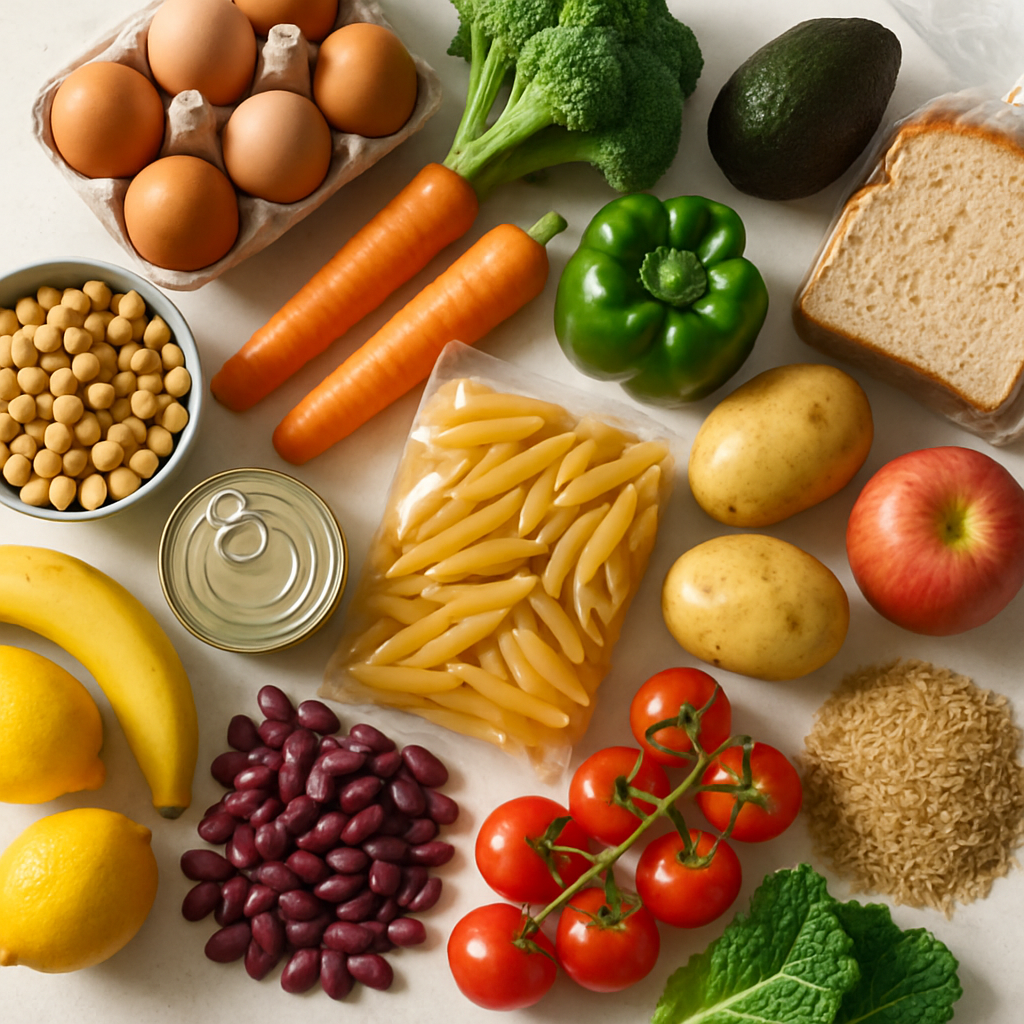
# How to Cut the Cost of Your Food Bill Without Compromising on Quality
Most of us have felt it at the checkout — that quiet grimace as the total climbs higher than expected. Food prices in the UK have risen sharply over the past few years, and eating well can feel like it's becoming a luxury rather than a given.
But here's the thing: spending less on food doesn't have to mean eating worse. With a bit of strategy, it's entirely possible to eat nutritious, flavourful meals and spend significantly less doing it.
Why Food Costs Feel So Out of Control Right Now
The UK saw food inflation peak at over 19% in 2023 — the highest rate in over 45 years, according to the Office for National Statistics. While the rate has eased since then, prices haven't actually fallen; they've just stopped rising as fast. Your weekly shop still costs considerably more than it did three or four years ago.
The problem is that the foods most affected by price rises tend to be staples — oils, dairy, bread, and meat. These aren't treats; they're the building blocks of everyday cooking. That squeeze hits hardest for people trying to eat a balanced diet on a tight budget.
The good news is that the most nutritious foods on the planet are also some of the most affordable. The challenge is knowing how to build meals around them.
Plan Before You Shop — Seriously
This one sounds obvious, but the research backs it up more strongly than most people realise. A 2019 study published in the International Journal of Behavioural Nutrition and Physical Activity found that meal planning was associated with better diet quality, greater food variety, and — crucially — lower food expenditure.
The mechanism is simple: when you know exactly what you're going to eat, you only buy what you need. Impulse purchases, duplicated ingredients, and forgotten produce rotting at the back of the fridge all disappear.
A rough plan doesn't need to be rigid. Even mapping out five dinners for the week and working backwards to a shopping list makes a meaningful difference. You stop shopping reactively and start shopping intentionally.
Build Meals Around Protein That Punches Above Its Weight
Meat is often the most expensive item in a shopping basket, and also one of the easiest areas to cut costs without sacrificing nutrition. The key is knowing which protein sources deliver the most nutritional value per pound spent.
Eggs are arguably the most nutrient-dense affordable food available. Each egg contains roughly 6g of high-quality protein, along with B vitamins, choline, and healthy fats. At around £2–£3 for a dozen, they're hard to beat.
Tinned fish — sardines, mackerel, tuna, and salmon — is consistently underrated. Tinned sardines and mackerel are particularly impressive: they're rich in omega-3 fatty acids, calcium (from the soft bones), vitamin D, and selenium. Often available for under £1 a tin, they're one of the best nutritional bargains in any supermarket.
Legumes — lentils, chickpeas, kidney beans, black beans — deserve a proper place at the table, not just as a meat substitute but as genuinely brilliant ingredients. They're high in protein, packed with fibre, and extraordinarily cheap, especially when bought dried or in tins from own-brand ranges.
Switching two or three meat-based meals a week for egg, legume, or tinned fish alternatives can cut your weekly protein spend substantially without reducing your intake.
What the Evidence Shows About Eating Well on Less
There's a persistent myth that healthy eating is inherently expensive. The evidence paints a more nuanced picture.
A large analysis published in BMJ Open in 2013 reviewed 27 studies on the cost of healthy versus unhealthy diets and found that a healthy diet cost approximately $1.50 (around £1.20) more per day per person than an unhealthy one. That's meaningful for some households — but it's also far smaller than most people assume, and it assumes you're comparing equivalent serving sizes of premium whole foods against ultra-processed options.
More recent research has challenged even that gap. A 2021 report by the Food Foundation found that when cost per calorie and cost per nutrient are both considered, whole foods like lentils, oats, and frozen vegetables are significantly cheaper per unit of nutrition than most processed alternatives.
In other words, the most affordable foods are often the most nutritious — the issue is that convenience foods are optimised to be easy, not economical.
The Freezer Is Your Most Underused Tool
Frozen vegetables have an unfair reputation. In reality, most are frozen within hours of harvest, which means their nutrient content is often equal to — and in some cases better than — fresh produce that's been sitting in a supply chain for several days.
A 2017 study from the University of Chester compared fresh and frozen versions of several common vegetables and found that frozen options were nutritionally comparable or superior in a number of measures, including vitamin C content and antioxidant levels.
Practical implications:
- Frozen spinach, peas, edamame, broccoli, and sweetcorn are all excellent nutritionally and consistently cheaper than fresh
- Frozen fruit — berries especially — works brilliantly in porridge, smoothies, or yoghurt and costs a fraction of fresh
- Batch cooking and freezing your own meals means you always have something nutritious available, which dramatically reduces the temptation to spend on expensive convenience food or takeaways
Buying a few extra portions when a protein is on offer and freezing it immediately is one of the most effective cost-cutting habits you can build.
Shop Smarter, Not Just Cheaper
Switching supermarkets entirely isn't always practical — but knowing how to navigate your existing shop makes a significant difference.
Own-brand products are one of the most straightforward wins. For staples like tinned tomatoes, pulses, dried pasta, oats, rice, and frozen vegetables, supermarket own-brand versions are often nutritionally identical to branded equivalents. The difference is marketing spend, not quality.
Buy in bulk where it makes sense. Dried lentils, oats, rice, pasta, and tinned goods all have long shelf lives and cost considerably less per serving when bought in larger quantities. This only works if you'll actually use them — bulk buying of fresh produce often backfires.
Pay attention to price per 100g rather than headline price. Supermarkets are required to display this, and it's the only fair way to compare value. A larger pack almost always wins, but not always.
Shop seasonally. British seasonal produce is cheaper because it hasn't travelled as far and is more abundant. In autumn, squash, leeks, and root vegetables are excellent value. In summer, courgettes, tomatoes, and salad leaves are at their cheapest and best.
Practical Takeaways You Can Use This Week
Here's what actually moves the needle, without overhauling your entire life:
1. Write a meal plan before you shop. Even a rough one. Work out what you'll eat for dinners, check what you already have, and build a list from there.
2. Swap one or two meat-based meals for eggs, lentils, or tinned fish. Keep the meals you enjoy; just rotate the protein source.
3. Move to own-brand for your staples. Tinned tomatoes, oats, rice, pasta, frozen vegetables — taste them side by side if you're sceptical. Most people can't tell the difference.
4. Stock your freezer deliberately. Buy frozen fruit and vegetables as a baseline, and freeze batch-cooked meals so you always have something ready.
5. Check price per 100g, not total price. It takes five seconds and it's the single best habit for spotting genuine value.
6. Plan around what's on offer. If chicken thighs are reduced, build a meal around them. Let the deals shape the plan occasionally, not the other way around.
None of this requires eating food you don't enjoy or spending hours in the kitchen. It's mostly about removing the friction and randomness from how you shop and cook.
---
If you want to eat well without overspending, Macrology generates macro-perfect meal plans in seconds — taking the guesswork out of what to buy, what to cook, and how to hit your nutrition goals without waste — https://macrology.app/signin
Want meals like this planned to your exact macros?
Macrology generates a personalised meal plan in seconds — breakfast, lunch, dinner and snacks, all hitting your daily targets.
Start your free 14-day trial