How to cut the cost of your food bill without compromising on quality
# How to Cut the Cost of Your Food Bill Without Compromising on Quality
Most of us have stood in the supermarket aisle doing quiet mental arithmetic, wondering how a weekly shop got so expensive so fast. The good news is that eating well on less money isn't about buying cheap, tasteless food — it's about shopping and cooking smarter.
The myth that healthy eating is always expensive
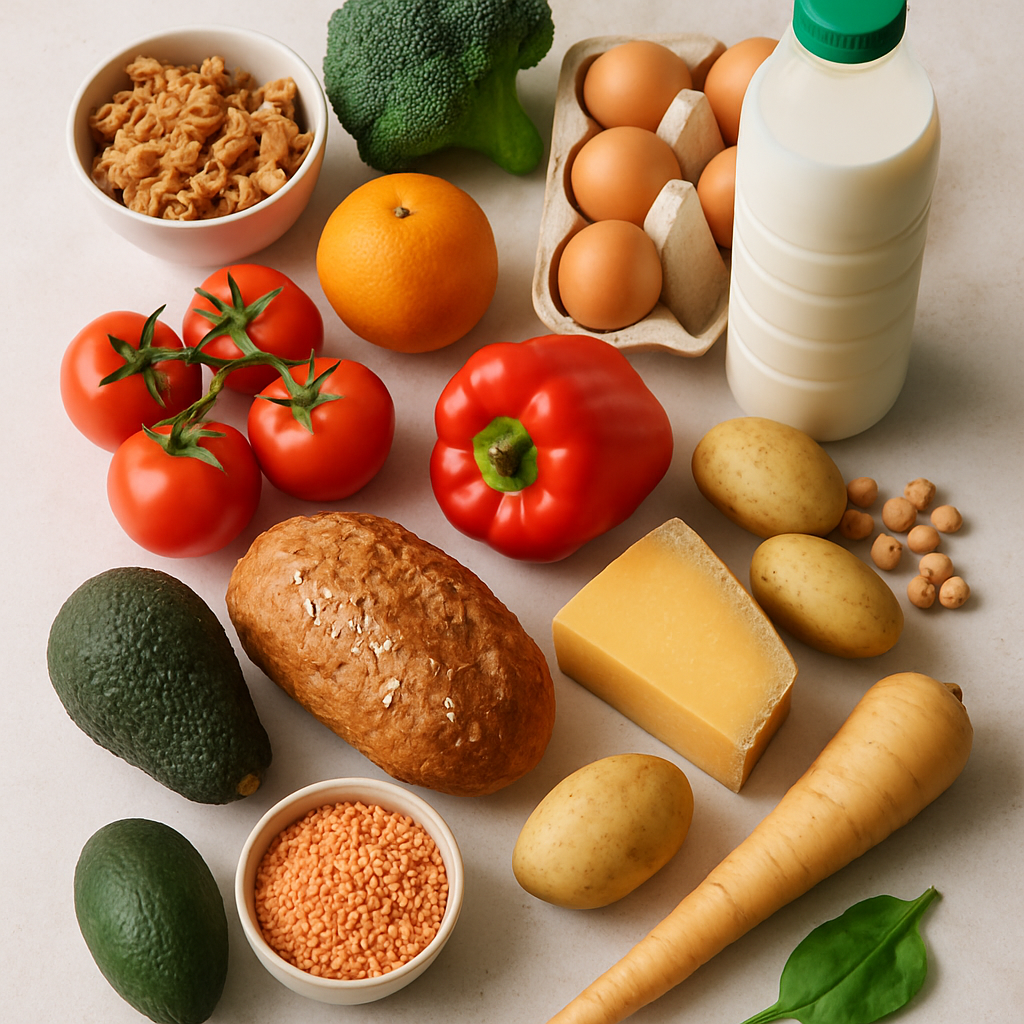
This one gets repeated so often it's become accepted as fact. But the reality is more interesting. Some of the most nutritious foods on the planet — lentils, oats, eggs, frozen vegetables, tinned fish — are among the cheapest things in any supermarket.
The expense usually comes from convenience: pre-prepped salads, individual portion packs, smoothie pouches, and branded snack foods. These products aren't inherently bad, but you pay a significant premium for the packaging and the prep work, not the nutrition.
A 2021 analysis published in BMJ Open found that the most affordable dietary patterns still met nutritional guidelines when they were built around whole foods and plant-based protein sources. The problem isn't the food — it's the habit of reaching for the most processed, most convenient version of it.
What the evidence shows
Research consistently points to a handful of food categories that offer the best nutritional value per pound spent. Legumes — chickpeas, lentils, kidney beans — top almost every list. They're rich in protein, fibre, iron, and folate, and a 500g bag of dried lentils costs around £1 and can feed a family multiple times over.
Eggs are another standout. A box of six free-range eggs provides complete protein, vitamin D, B12, choline, and healthy fats for roughly £1.50–£2. Few foods come close to that nutritional density at that price point.
Frozen vegetables often outperform fresh in terms of nutrient retention, because they're frozen at peak ripeness. A 2017 study from the University of Chester found that frozen produce matched or exceeded fresh in key nutrients including vitamin C and beta-carotene. Buying frozen isn't a compromise — in some cases, it's the better choice.
Tinned fish — sardines, mackerel, salmon — deliver omega-3 fatty acids, protein, and calcium (particularly when the bones are included) at a fraction of the cost of fresh fish. These are genuinely useful foods, not a fallback.
Plan before you shop — seriously
Meal planning is one of the most effective tools for reducing food spend, and it doesn't require a spreadsheet or an hour of Sunday prep. Even a rough idea of what you're making across the week dramatically cuts down on impulse purchases and wasted food.
Food waste in UK households costs the average family around £730 a year, according to WRAP. That's not small change. Most of that waste comes from buying food without a clear plan for using it — vegetables that go soft at the back of the fridge, bread that goes stale, herbs that wilt because you only needed a tablespoon.
Planning lets you buy only what you'll actually use, and it opens up a smarter way of shopping: batch cooking. Make a large pot of soup, a grain salad, or a slow-cooked stew, and you've covered three or four lunches and dinners without spending any extra time or money during the week.
Build meals around protein, not around the most expensive ingredient
Many of us unconsciously structure meals around the most expensive ingredient — usually a piece of meat — and add everything else around it. Flipping this approach can meaningfully reduce costs without reducing satisfaction.
Try thinking of meat as a flavour component rather than the centrepiece. A smaller amount of chicken, bacon, or mince added to a lentil dhal, a bean stew, or a vegetable-heavy pasta gives you the flavour and some of the protein without needing a full portion per person.
This isn't about eating less protein — it's about sourcing it differently. A meal that combines lentils, eggs, or tofu with smaller amounts of meat or fish can hit the same protein targets at a lower cost. If you're tracking macros, this kind of thinking becomes even more useful because you can see exactly where your protein is coming from across the day.
Shop strategically, not impulsively
There are some simple shopping habits that make a consistent difference to the weekly bill.
Buy own-brand where it matters. For staples like tinned tomatoes, dried pasta, rice, flour, oats, and frozen vegetables, supermarket own-brand products are often identical to branded versions in terms of nutrition and quality. The difference is almost entirely in the marketing.
Use the reduced section. Most supermarkets discount food approaching its use-by date, often by 50–75%. This is a legitimate way to buy good-quality protein — chicken breasts, fish fillets, good cuts of meat — at a fraction of the usual price. If you're not going to use it that day, freeze it immediately.
Seasonal produce is cheaper and better. Root vegetables, brassicas, squash, and leeks in winter; courgettes, tomatoes, and corn in summer. Seasonal produce tends to travel less, cost less, and taste better. The NHS has a useful seasonal food guide if you're not sure what's in season.
Bigger isn't always better value, but often it is. Buying a larger bag of oats, a bigger block of cheese, or a larger pack of chicken thighs and portioning it yourself almost always works out cheaper per unit than buying individual portions.
Don't overlook the basics
Some of the most satisfying, nutritious meals come from the most straightforward ingredients. A bowl of porridge with a banana and some nut butter. Eggs on wholegrain toast with wilted spinach. Dhal with brown rice. A simple bean soup with crusty bread.
These aren't meals that need a recipe to justify them. They're the kind of food that forms the foundation of the Mediterranean diet, the DASH diet, and virtually every eating pattern associated with good health outcomes. They're also, not coincidentally, among the cheapest meals you can make.
The perception that eating well requires expensive superfoods, specialist ingredients, or elaborate preparation is one worth questioning. Nutrition doesn't have a minimum spend. Some of the most nutrient-dense meals on earth are made from cheap, humble ingredients that have fed people for centuries.
Practical takeaways
Here's what you can do this week to reduce your food bill without sacrificing quality:
- Write a rough meal plan for the next five to seven days before you shop — even five meals planned is better than none
- Audit your fridge before shopping so you know exactly what needs using up first
- Add one plant-based protein meal to your week — a lentil soup, a chickpea curry, or a bean-based pasta
- Switch own-brand on at least three staples: tinned tomatoes, pasta or rice, and oats
- Check the reduced section and freeze anything you won't use immediately
- Buy one type of frozen veg instead of fresh this week — spinach, peas, and edamame are all excellent choices
- Cook double portions of at least one meal and eat the second serving as a packed lunch
None of these changes are dramatic on their own. But done consistently, they add up — both in money saved and in the quality of what ends up on your plate.
If you want to eat well on a budget without having to do all the mental maths yourself, Macrology generates macro-perfect meal plans in seconds — [https://macrology.app/signin](https://macrology.app/signin)
Want meals like this planned to your exact macros?
Macrology generates a personalised meal plan in seconds — breakfast, lunch, dinner and snacks, all hitting your daily targets.
Start your free 14-day trial