How to cut the cost of your food bill without compromising on quality
# How to Cut the Cost of Your Food Bill Without Compromising on Quality
Most of us have stood in a supermarket aisle doing mental arithmetic, quietly swapping one item for another to stay within budget. But eating well on less money is genuinely possible — and it doesn't require sacrificing nutrition, flavour, or enjoyment.
Why "Eating Cheap" Has an Undeserved Bad Reputation
There's a persistent idea that affordable food is somehow inferior — that quality and cost are always inversely related. In practice, this simply isn't true.
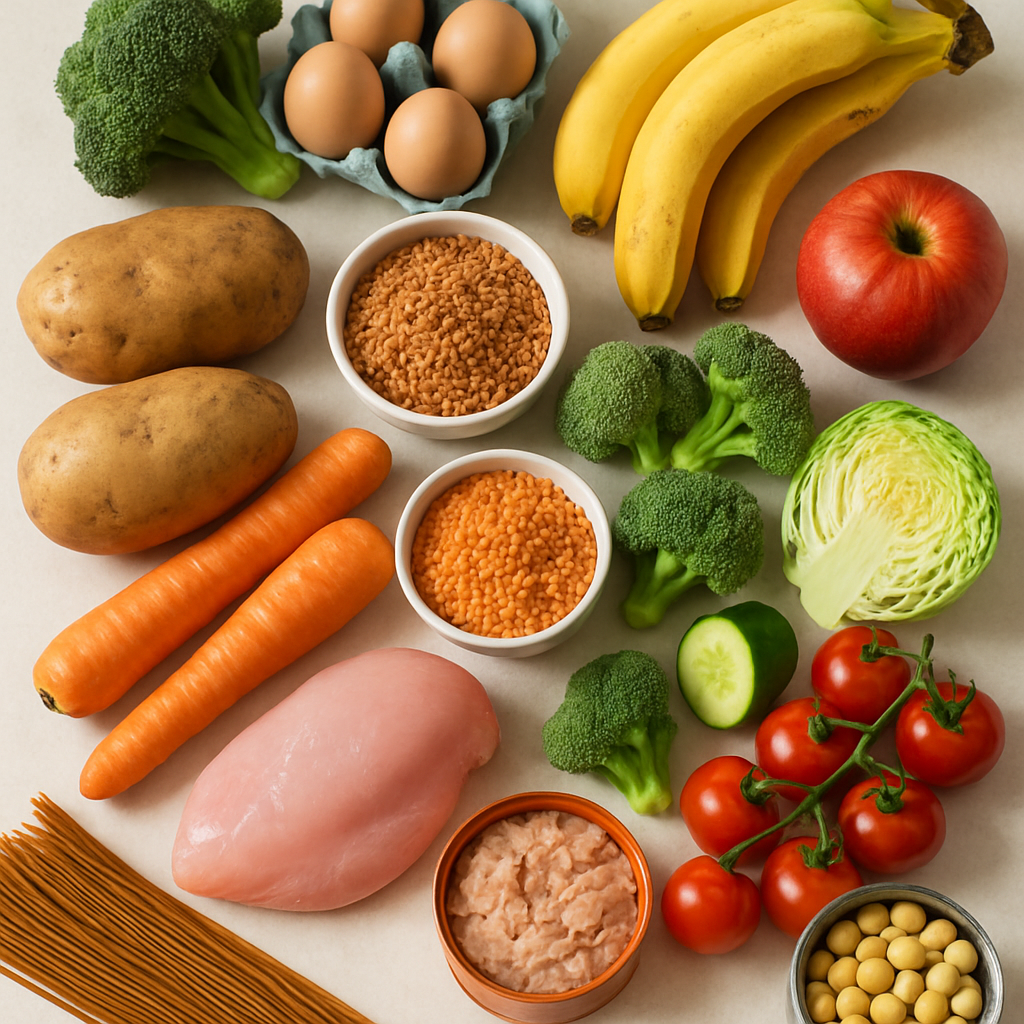
Some of the most nutritious foods on the planet are also among the cheapest. Lentils, eggs, tinned sardines, frozen spinach, oats — none of these will break the bank, and all of them are nutritionally impressive. The belief that good food must be expensive is partly a marketing problem, and partly a planning problem.
When people don't have a clear structure for what they're eating across the week, they fill the gaps with convenience foods, takeaways, and impulse purchases — and that's where food costs quietly balloon. The answer isn't to spend more; it's to plan better.
What the Evidence Shows
Research consistently demonstrates that diet quality doesn't have to correlate with household income — though structural barriers do make it harder for some people, and it's worth acknowledging that.
A 2013 study published in the British Medical Journal found that healthier diets cost, on average, around £1.50 more per day than less healthy ones. That figure is real, but it also assumes people are buying fresh, premium versions of everything. When researchers account for frozen vegetables, own-brand staples, and plant-based proteins like legumes, that gap narrows significantly.
A 2021 review in Nutrients found that plant-rich diets built around whole grains, legumes, and vegetables are not only associated with better health outcomes, but are substantially cheaper than diets centred on meat and processed foods. The evidence points firmly in one direction: a nutritious diet and a lower food bill are not mutually exclusive.
The Biggest Drain on Your Food Budget (It's Not What You Think)
Most people assume the problem is buying expensive ingredients. In reality, the biggest drain on most households' food budgets is food waste.
The UK throws away approximately 9.5 million tonnes of food every year, according to WRAP — and most of it comes from homes, not businesses. For the average UK family, that equates to roughly £730 worth of food wasted annually. That's money spent on food that was bought, stored, and then binned.
Tackling waste is one of the fastest ways to reduce your food bill without changing what you eat at all. This means buying with a plan rather than vague intentions, using your freezer more aggressively, and understanding the difference between "best before" and "use by" dates — the former is about quality, the latter about safety.
Smart Swaps That Don't Compromise Nutrition
Some ingredient swaps are genuinely neutral from a nutritional standpoint — the cheaper option is just as good, or occasionally better.
Frozen vegetables over fresh is the most obvious example. Frozen produce is typically flash-frozen within hours of harvesting, which locks in nutrients. In some cases, frozen peas or spinach actually contain more vitamins than fresh equivalents that have been sitting in a supply chain for days. Nutritionally, this swap costs you nothing.
Own-brand tinned goods are another easy win. Tinned tomatoes, chickpeas, kidney beans, and lentils are nutritionally identical regardless of the label on the tin. The same applies to most dried staples — oats, rice, pasta, and flour. You're paying for branding, not nutrition.
Swapping some meat for legumes is where the savings can become significant. Replacing half the mince in a Bolognese with red lentils, or using a tin of butter beans in a stew instead of chicken thighs, can halve the cost of a meal while adding fibre and keeping protein intake solid. This isn't about eliminating anything — it's about balance.
Protein on a Budget: The Most Misunderstood Category
Protein has a reputation for being expensive, largely because people associate it with chicken breasts, salmon fillets, and steak. But protein is far more available and affordable than that framing suggests.
Eggs remain one of the best-value protein sources available — roughly 6-7g of high-quality protein per egg, at a cost of around 20-30p each. Tinned sardines and mackerel are similarly impressive, providing protein alongside omega-3 fatty acids that are genuinely hard to find elsewhere cheaply. A tin of sardines costs less than £1 and delivers a complete nutritional package.
Dairy — particularly Greek yoghurt, cottage cheese, and milk — is also a cost-effective protein source that often gets overlooked. And for those comfortable with plant-based proteins, dried lentils, split peas, and chickpeas are extraordinarily cheap per gram of protein, especially when bought in larger bags rather than tins.
The key is variety. Relying on one protein source is both nutritionally limiting and potentially expensive. Building meals around a rotation of eggs, legumes, dairy, tinned fish, and occasional meat gives you coverage across the week without costs spiralling.
Meal Planning: The Single Most Effective Tool
Everything above becomes significantly easier with a plan. Meal planning doesn't need to be elaborate or rigid — even a rough idea of what you're eating across five or six days dramatically reduces impulse buying, reduces waste, and lets you shop with purpose.
When you know what you're making, you can buy ingredients that work across multiple meals. A batch of roasted vegetables can go into a grain bowl on Monday, a frittata on Tuesday, and a soup on Wednesday. A bag of dried red lentils can underpin three different meals. This kind of overlap is where the savings compound.
Planning around your macronutrient targets — protein, carbohydrates, and fat — also helps you avoid the common trap of buying expensive foods because you're not sure what else will fill a nutritional gap. When the plan is clear, the shopping list is clear, and you spend less.
If you want to eat well without overspending, Macrology generates macro-perfect meal plans in seconds — [https://macrology.app/signin](https://macrology.app/signin)
Practical Takeaways
Here's what you can act on immediately, without overhauling everything at once:
1. Do a freezer audit this week. Most people have more usable food in their freezer than they realise. Build one or two meals around what's already there before your next shop.
2. Switch to frozen vegetables for at least half your veg intake. Nutritionally sound, often cheaper by weight, and they don't go off before you get round to using them.
3. Build one "legume meal" per week. A lentil soup, a chickpea curry, a bean-based stew. These are cheap, filling, and nutritionally solid. Start with one and go from there.
4. Buy own-brand for staples. Oats, tinned tomatoes, chickpeas, rice, pasta, plain yoghurt — swap to own-brand on these and notice the savings add up.
5. Plan before you shop, not after. Even a five-minute rough plan before writing your shopping list will reduce waste and unplanned spending. It doesn't need to be perfect.
6. Audit your waste for two weeks. Keep a rough mental note of what you're throwing away. Most people are surprised. That awareness alone tends to change behaviour.
7. Think in cost-per-meal, not cost-per-item. A £3 bag of dried lentils might feel expensive compared to a £1 tin, but if it makes six meals, the maths look very different.
Eating well on a budget is less about heroic willpower and more about having a structure that makes it easy. With the right plan, the right staples, and a clearer sense of what you're actually aiming for nutritionally, the cost comes down — without the quality following it.
Want meals like this planned to your exact macros?
Macrology generates a personalised meal plan in seconds — breakfast, lunch, dinner and snacks, all hitting your daily targets.
Start your free 14-day trial