How to cut the cost of your food bill without compromising on quality
# How to Cut the Cost of Your Food Bill Without Compromising on Quality
Most of us have felt it at the supermarket checkout — that quiet grimace as the total climbs higher than expected. Food prices in the UK have risen sharply over the past few years, and eating well on a budget can feel like a puzzle with missing pieces.
But here's the thing: eating nutritiously and spending less aren't actually at odds with each other. In fact, some of the most nutrient-dense foods on the planet are also among the cheapest. It's mostly a matter of knowing where to look.
What's Actually Driving Up Your Food Bill
Before cutting costs, it helps to understand where the money is actually going. For most households, the biggest drains are pre-prepared and convenience foods, food waste, and brand loyalty that doesn't need to exist.
A 2023 report from the Food Foundation found that the healthiest foods in the UK are still significantly more expensive per calorie than less nutritious options — but that gap narrows considerably when you shift your focus to whole ingredients rather than packaged products. A bag of dried lentils costs a fraction of a ready-meal lentil soup, delivers more protein, and makes enough for several portions.
The other silent budget killer is waste. The average UK household throws away around £730 worth of food every year, according to WRAP (the Waste and Resources Action Programme). That's not a small number — it's roughly the cost of a family holiday.
What the Evidence Shows
Research consistently supports the idea that plant-forward, whole-food diets are not only better for health outcomes but also cheaper to maintain. A 2021 study published in PLOS Medicine found that replacing meat with plant-based protein sources like beans, lentils, and tofu could reduce both diet costs and environmental impact without sacrificing nutritional quality.
A separate analysis from Oxford University found that plant-rich diets cost on average 30% less than diets high in meat and processed foods — even in high-income countries like the UK. This doesn't mean going vegetarian overnight, but it does suggest that building more meals around pulses, eggs, tinned fish, and wholegrains is one of the most evidence-backed ways to spend less while eating well.
It's also worth noting that "expensive" doesn't automatically mean "more nutritious." Superfoods with premium price tags — think baobab powder or imported açaí — rarely outperform humble staples like oats, eggs, or frozen spinach on any meaningful nutritional measure.
The Freezer Is Your Most Underrated Tool
Frozen fruit and vegetables are one of the best-kept secrets in budget nutrition. They're picked and frozen at peak ripeness, which means their vitamin and mineral content is often comparable to — and sometimes better than — fresh produce that's been sitting in a warehouse or on a shelf for days.
Frozen spinach, peas, edamame, and mixed berries are all significantly cheaper than their fresh equivalents, and they don't go off. Buying frozen also lets you reduce waste dramatically, because you only use what you need.
The same logic applies to protein. Frozen salmon fillets, chicken thighs, and prawns are consistently cheaper than fresh, and the nutritional difference is negligible. Batch-cooking and freezing meals — soups, stews, curries, grain bowls — means you always have something ready to eat, which also reduces the temptation to order a takeaway when you're tired and hungry.
Smart Swaps That Don't Feel Like Sacrifices
There's a version of budget eating that feels like deprivation, and then there's the version that just involves making slightly different choices. The latter is what actually sticks.
Dried pulses over tinned is a meaningful saving if you cook regularly. A 500g bag of dried chickpeas costs around 90p and produces roughly the equivalent of four or five tins once cooked. Yes, they need soaking overnight — but if you build it into your routine, it becomes second nature. That said, tinned pulses are still excellent value and require zero effort, so there's no wrong answer here.
Own-brand staples are worth a proper look. For most pantry basics — tinned tomatoes, pasta, rice, oats, frozen vegetables, flour — own-brand versions are nutritionally identical to branded equivalents. The main difference is the packaging.
Swapping expensive cuts of meat for cheaper ones is another way to maintain quality without paying premium prices. Chicken thighs are cheaper than breasts, more forgiving to cook, and arguably more flavourful. Beef shin and lamb shoulder are cheaper than the cuts you'd find at a restaurant but respond beautifully to slow cooking.
Planning: The Habit That Does the Heavy Lifting
Meal planning is probably the single most impactful thing you can do for both your food budget and your nutrition. It sounds obvious, but most people do it inconsistently or not at all — which means more impulse purchases, more food going off, and more last-minute decisions that tend to be expensive.
The key is keeping it simple. You don't need to plan every meal and snack for seven days. Planning just your evening meals — and making sure you're buying with those meals in mind — is enough to see a real difference. Shopping with a list and not shopping hungry are two of the oldest tricks in the book, but the research backs them up: studies consistently show that unplanned purchases increase significantly when shoppers are hungry or without a list.
Batch cooking two or three times a week rather than cooking from scratch every night also reduces cost per meal, because you're buying ingredients in larger quantities and using them fully rather than letting half a bag of spinach turn to mush.
If you want a genuinely personalised meal plan that takes your nutrition goals and budget into account, Macrology generates macro-perfect meal plans in seconds — https://macrology.app/signin
Getting More Out of Ingredients You Already Buy
One of the underappreciated skills in budget cooking is using the whole ingredient. Buying a whole chicken, for example, costs less per portion than buying individual cuts. Roast it, use the meat across two or three meals, then make stock from the carcass. That stock becomes the base of a soup, risotto, or sauce — and suddenly one purchase has done five things.
The same applies to vegetables. Broccoli stalks are edible and delicious when sliced thinly and stir-fried. Parmesan rinds add incredible depth to soups and stews. Slightly stale bread makes excellent breadcrumbs or croutons. Herb stems are just as flavourful as the leaves in cooked dishes.
None of this requires culinary training. It just requires a small shift in how you look at your ingredients — from individual items to resources with multiple uses.
Practical Takeaways You Can Act on Today
Here's what this all boils down to in practical terms:
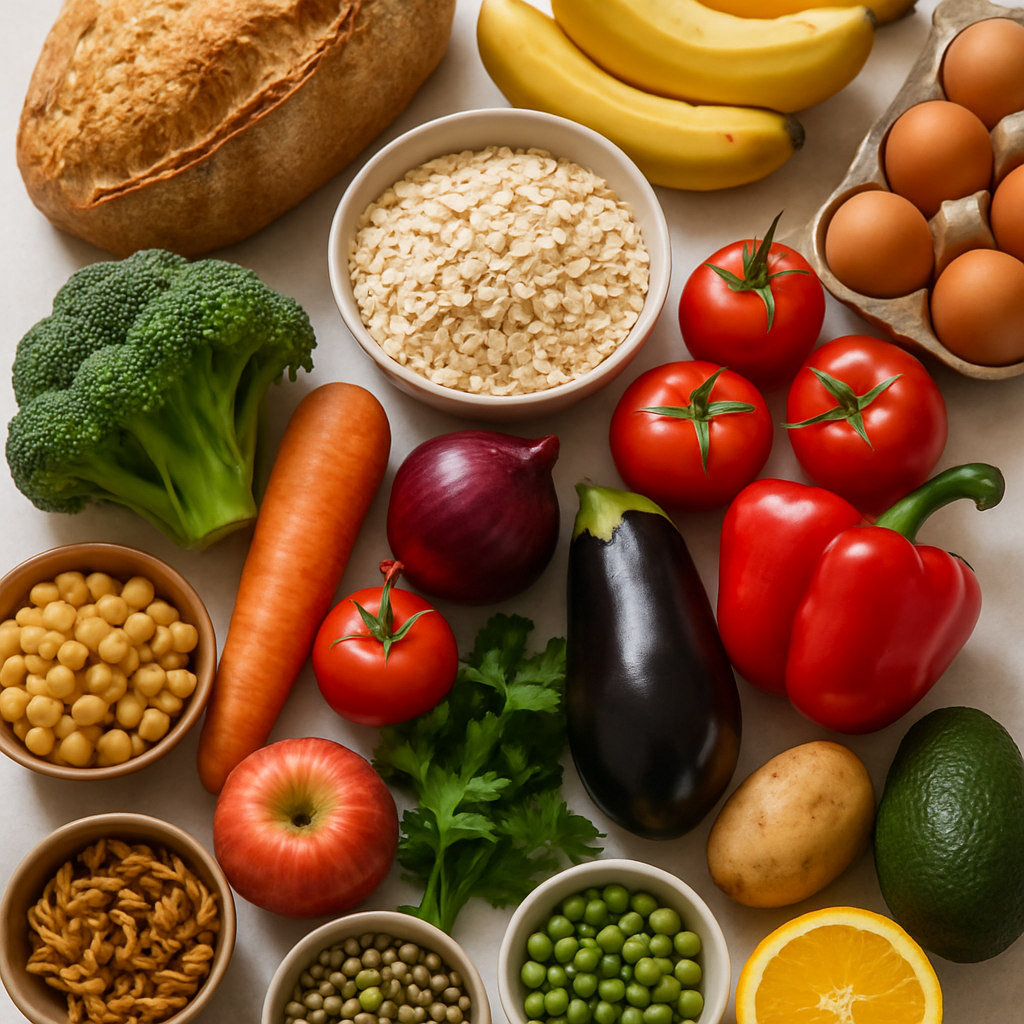
Build your meals around cheap, nutrient-dense staples. Oats, eggs, lentils, tinned fish, frozen vegetables, natural yoghurt, and wholegrains should be the backbone of most weeks. These foods offer exceptional nutritional value at low cost.
Audit your waste before your shopping list. Before you write this week's list, check what's already in your fridge, freezer, and cupboards. Plan at least a couple of meals around what you already have.
Switch to own-brand for pantry basics. Tinned tomatoes, pasta, rice, oats, frozen peas — there's no meaningful reason to pay more for these.
Use your freezer more intentionally. Batch-cook on a Sunday, freeze portions, and you've bought yourself a week of quick, nutritious meals without the daily effort or expense.
Plan your evening meals before you shop. Even a rough five-day plan will reduce impulse buys, cut waste, and take the daily "what's for dinner?" stress off your plate.
Eating well doesn't have to mean spending more — it mostly means spending smarter. The ingredients that do the most nutritional work are often the least glamorous ones on the shelf, and that's actually good news for your food bill.
Want meals like this planned to your exact macros?
Macrology generates a personalised meal plan in seconds — breakfast, lunch, dinner and snacks, all hitting your daily targets.
Start your free 14-day trial