How to cut the cost of your food bill without compromising on quality
# How to Cut the Cost of Your Food Bill Without Compromising on Quality
Most of us have felt that quiet frustration at the checkout — the trolley looks half full, yet somehow the total still climbs higher than expected. Food prices in the UK have risen sharply over the past few years, and eating well on a budget feels harder than ever. But here's the thing: quality and affordability aren't actually opposites.
Why "Eating Well" Doesn't Have to Mean Spending More
There's a persistent myth that nutritious food is expensive by nature — that you have to choose between your health and your bank account. This idea is largely a product of clever marketing, not nutritional reality.
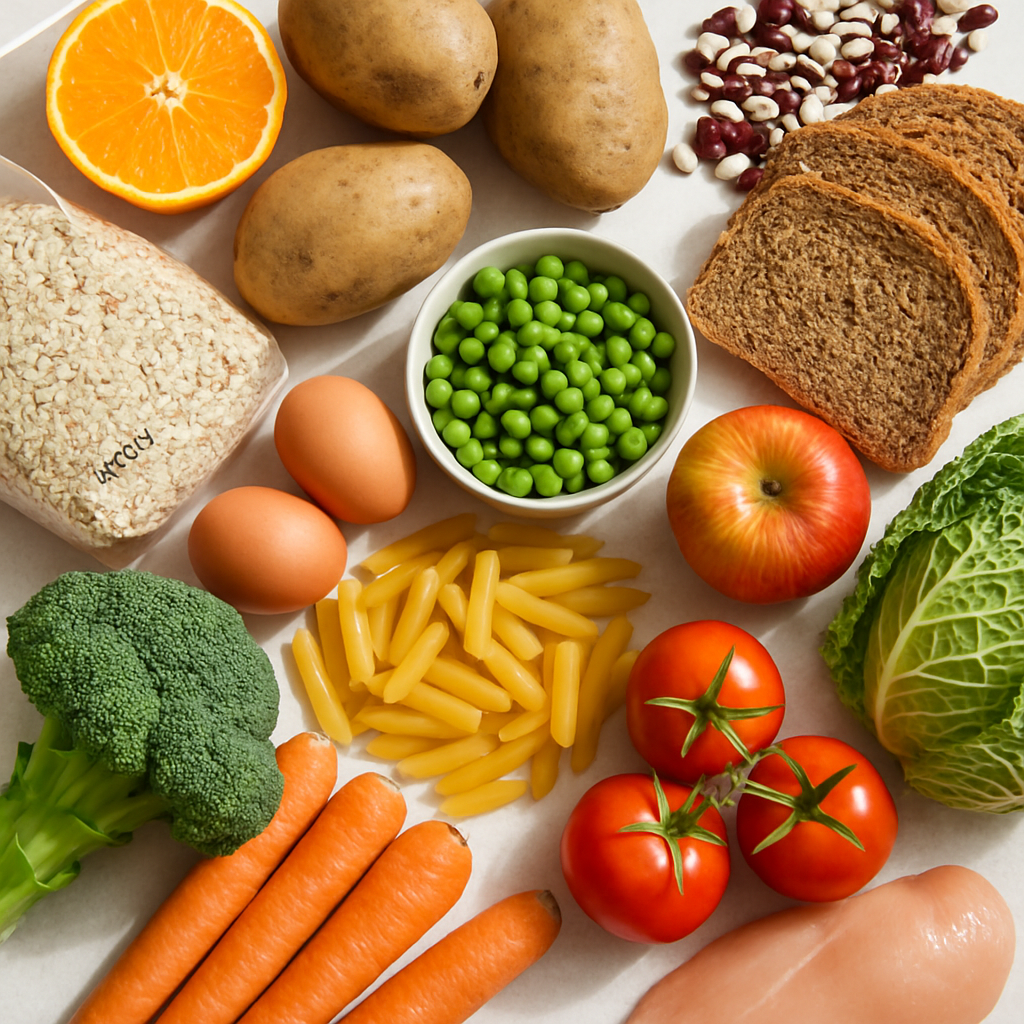
Some of the most nutrient-dense foods on the planet — lentils, oats, eggs, tinned sardines, frozen spinach — cost very little per serving. The expensive version of healthy eating is the one sold to us through premium packaging, wellness branding, and "superfood" labels. Strip that away, and eating well becomes remarkably affordable.
The goal isn't to buy less food. It's to buy smarter.
Plan Before You Shop (Seriously, It Changes Everything)
Meal planning is consistently cited as one of the most effective ways to reduce food spending, and the evidence backs this up. A 2020 study published in the International Journal of Behavioural Nutrition and Physical Activity found that meal planning was associated with greater dietary variety, better diet quality, and lower food expenditure.
The mechanism is straightforward: when you know what you're cooking, you only buy what you need. That eliminates the two biggest budget killers — impulse purchases and food waste.
You don't need a complex system. Even a rough outline of five dinners for the week, written down before you open a supermarket app, will make a noticeable difference. Plan around what's already in your fridge and cupboards first, then fill in the gaps.
Build Your Meals Around Protein That Punches Above Its Weight
Protein tends to be the most expensive part of any meal, so this is where smart choices make the biggest financial difference — without sacrificing nutrition.
Eggs remain one of the best-value protein sources available. A six-pack from a budget supermarket provides roughly 36g of complete protein, alongside vitamin D, B12, choline, and healthy fats. Tinned fish — sardines, mackerel, tuna — delivers omega-3 fatty acids and high-quality protein for under £1 a tin. Pulses (lentils, chickpeas, kidney beans) are genuinely underrated: a 400g tin of chickpeas costs around 50p and provides around 19g of protein alongside a substantial amount of fibre and iron.
Meat doesn't have to disappear from the picture either. Cheaper cuts like chicken thighs (more flavourful than breast, often half the price), turkey mince, and pork shoulder reward slower cooking and go further when used as part of a dish rather than as the centrepiece.
What the Evidence Shows About Budget Eating and Nutrition
There's a real concern worth addressing here: do cheaper food choices actually hold up nutritionally? The research is more reassuring than many people expect.
A 2021 analysis in BMJ Nutrition, Prevention & Health found that nutritionally adequate diets can be achieved at significantly lower cost when meals are built around whole grains, legumes, eggs, and seasonal vegetables — rather than relying heavily on meat and ultra-processed convenience foods.
Frozen vegetables deserve particular attention. Studies have consistently shown that frozen produce is nutritionally comparable to fresh — and in some cases superior, because vegetables are frozen shortly after harvest, locking in vitamins before they degrade during transport and shelf time. Frozen peas, spinach, broccoli, and sweetcorn are among the most cost-effective ways to hit your vegetable intake without watching things wilt in the fridge drawer.
Tinned tomatoes, tinned pulses, and dried grains are similarly shelf-stable and nutritionally robust. The nutrient quality of your diet is not determined by whether the food is fresh, premium, or expensive — it's determined by what's actually in it.
Cut Waste, Not Corners
The average UK household throws away around £60 worth of food every month, according to WRAP (the Waste and Resources Action Programme). That's not a small number. For many families, reducing waste would save more than switching supermarkets ever could.
A few practical habits make a significant difference here. FIFO — First In, First Out — means moving older items to the front of the fridge when you unpack a shop, so they get used before the newer ones. Dedicating one meal a week to clearing out whatever needs using up (a stir-fry, a soup, a frittata) prevents the slow accumulation of forgotten ingredients.
Learning which foods actually need to be in the fridge and which don't also helps. Tomatoes, bananas, onions, and garlic all last longer at room temperature. Bread kept in the freezer and toasted from frozen stays perfectly good for weeks longer than it would on the counter.
Shop the Structure of the Supermarket Differently
Supermarkets are deliberately designed to expose you to higher-margin products. Understanding a few structural tricks helps you navigate them more intentionally.
Own-brand and value-range products are often manufactured by the same suppliers as branded versions — the difference is packaging and price, not quality. For staples like oats, pasta, rice, tinned tomatoes, frozen vegetables, and dairy, the own-brand option is almost always a sensible choice.
Unit pricing — the cost per 100g or per litre displayed on shelf labels — is the most useful number in a supermarket, not the headline price. Larger pack sizes are often (though not always) cheaper per unit, so it's worth checking before assuming the bigger buy is better value.
Shopping online with a set list also removes a layer of in-store temptation and makes it easier to compare prices across products before they're already in your trolley.
Make Cook-Once, Eat-Twice Work for You
Batch cooking isn't a radical lifestyle shift — it's just a more efficient use of your time and your energy bills. Cooking a larger portion of something once and eating it across two or three meals is one of the simplest ways to bring your weekly food spend down.
A big pot of lentil soup, a tray of roasted vegetables, or a batch of chilli takes roughly the same effort to make in double quantity. The second serving costs you almost nothing extra in time, and it's ready when you need it — reducing the temptation to order a takeaway or reach for something expensive and convenient.
Grains like rice, quinoa, and farro keep well in the fridge for four to five days and can underpin completely different meals depending on what you add to them. Cook a large batch at the start of the week and treat it as a building block rather than a side dish.
Practical Takeaways: Where to Start This Week
Rather than overhauling everything at once, a few targeted changes tend to deliver the most immediate results:
- Write a meal plan before you shop — even a rough one — and build your shopping list from it
- Swap one or two meat-based meals a week for egg, lentil, or bean-based alternatives — the protein quality is solid and the cost difference adds up quickly
- Switch to frozen vegetables as your default — nutritionally comparable, cheaper, and no waste
- Check the unit price, not just the product price — it only takes a few extra seconds
- Dedicate one meal a week to using up what's already in your fridge before it's wasted
- Double up portions when you cook — the second meal is essentially free in terms of effort
None of these require sacrifice. They require a small shift in how you approach the shop and the kitchen.
If you want to take the planning part completely off your plate, Macrology generates macro-perfect meal plans in seconds — https://macrology.app/signin
Eating well on a budget is less about discipline and more about having a decent system. With a bit of structure in place, the two stop feeling like they're in competition.
Want meals like this planned to your exact macros?
Macrology generates a personalised meal plan in seconds — breakfast, lunch, dinner and snacks, all hitting your daily targets.
Start your free 14-day trial