How to cut the cost of your food bill without compromising on quality
# How to Cut the Cost of Your Food Bill Without Compromising on Quality
Most of us have stood in the supermarket and done a quiet double-take at the price of something that cost half as much two years ago. Food inflation has been brutal, and it's changed the way a lot of people shop, cook, and eat.
But here's the thing — eating well on less money isn't about settling for less. With a bit of strategy, it's entirely possible to keep the quality high and the spend low. Here's how.
Why "eating well costs more" isn't always true
There's a persistent idea that nutritious food is inherently expensive — that eating healthily is a luxury reserved for people with big grocery budgets. And while it's true that some foods (certain cuts of meat, fresh berries in January, fancy supplements) carry a premium, the core of a genuinely nourishing diet is actually pretty cheap.
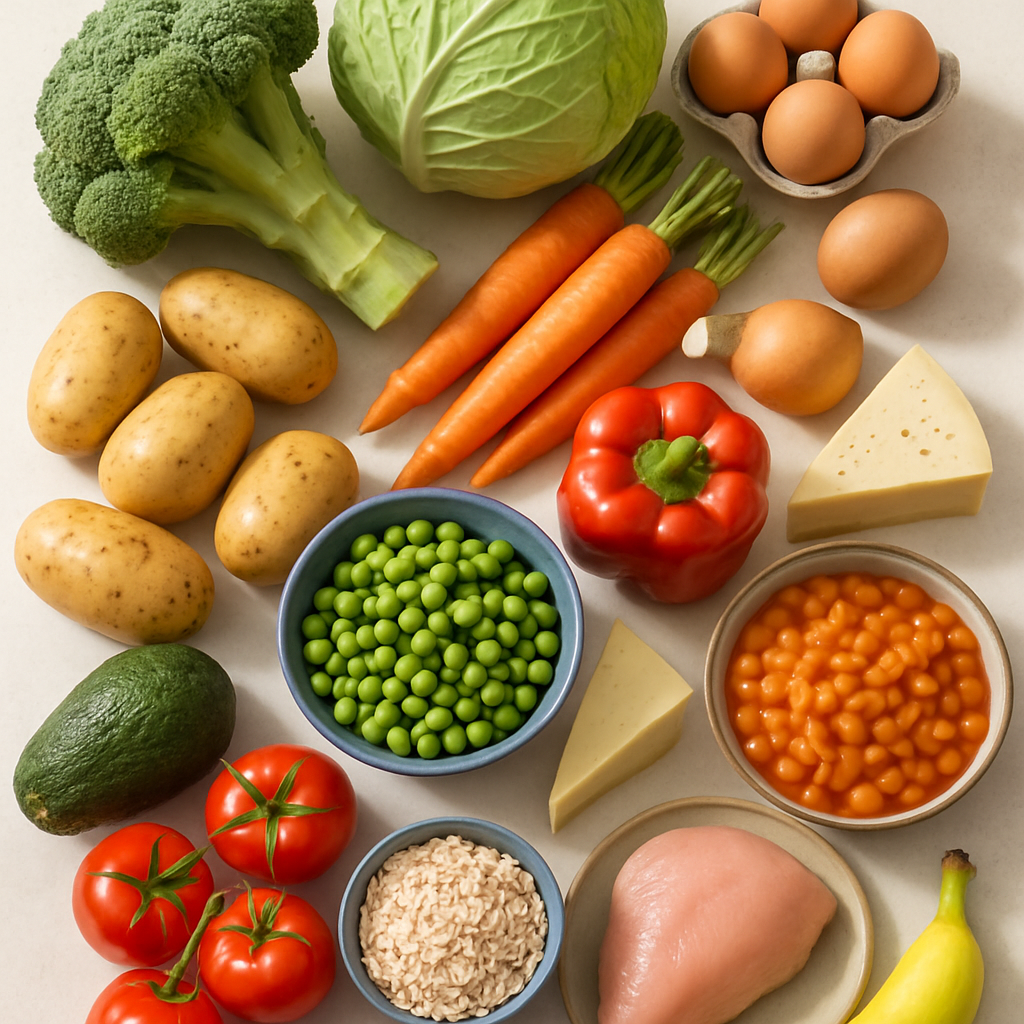
Dried lentils, tinned chickpeas, oats, eggs, frozen spinach, sardines, and seasonal vegetables are all affordable and nutritionally dense. The cost issue often comes down to planning, not access. When there's no plan, we default to convenience, and convenience costs more.
Research from the Food Foundation has consistently found that the most expensive diets tend to be high in ultra-processed foods — not whole ingredients. So reframing the question from "how do I eat well cheaply?" to "how do I stop paying a premium for processing?" is a useful starting point.
What the evidence shows
The idea that a healthy diet is unaffordable has been studied directly. A 2013 analysis published in BMJ Open found that healthier diets cost, on average, about £1.50 more per day than less healthy ones globally — but that figure masks enormous variation based on what foods you're comparing and where you're buying them.
More recent UK-specific work tells a more nuanced story. A 2022 report from the Food Foundation found that the least healthy foods cost, calorie-for-calorie, about 2.5 times less than healthier options — but when you look at cost per unit of protein, fibre, or micronutrients, the picture shifts considerably.
Tinned fish, pulses, eggs, and frozen vegetables consistently outperform their cost-per-nutrient when compared to processed snacks, ready meals, or branded cereals. You're often paying for packaging, marketing, and shelf life, not nutrition. This is the gap that smart shopping can exploit.
Plan before you shop — it's not as tedious as it sounds
Meal planning has a reputation for being the domain of spreadsheet enthusiasts and people who laminate things. But even a rough five-minute think before you shop will save you money.
The mechanism is simple: when you know what you're making, you buy what you need and use what you buy. Food waste in UK households costs the average family around £700 a year, according to WRAP. That's not a small number — it's roughly equivalent to a month's grocery shop for many people.
You don't need to plan every meal in meticulous detail. Even mapping out your dinners for the week and building a shopping list around them makes a material difference. The key habit is shopping from a list, not from hunger or impulse.
If the planning part feels like the barrier, it's worth knowing that tools now exist to do the heavy lifting for you — generating a week's worth of meals based on your goals and preferences in seconds.
Build your meals around cheap, nutrient-dense staples
Every cuisine in the world has figured out how to make cheap, simple ingredients taste extraordinary. This isn't a new idea — it's just one that gets forgotten when we're surrounded by convenience options.
The staples worth keeping stocked are:
- Pulses — lentils, chickpeas, black beans, kidney beans. Dried are cheapest; tinned are nearly as good and faster.
- Eggs — one of the most complete protein sources available, and still relatively affordable.
- Frozen vegetables — nutritionally equivalent to fresh (often better, since they're frozen at peak ripeness), and no waste.
- Oats — slow-release carbohydrates, good fibre, very cheap per serving.
- Tinned fish — sardines, mackerel, and tuna are all high in protein and omega-3s at a fraction of the cost of fresh fish.
- Root vegetables — carrots, sweet potatoes, and parsnips are cheap, filling, and last well.
Building meals around these and treating meat, fresh fish, and other more expensive items as accompaniments rather than centrepieces is one of the most effective ways to cut spend without cutting nutrition.
Get strategic with protein
Protein tends to be the most expensive macronutrient to source, and it's also the one people worry about most when trying to eat more economically. The good news is that plant-based protein sources are genuinely excellent — and significantly cheaper than most animal proteins.
A 400g tin of chickpeas costs roughly 60-70p and provides around 20g of protein. A chicken breast provides a similar amount but costs two to three times more. This doesn't mean ditching meat entirely — but shifting the protein balance of your meals toward pulses, eggs, and dairy means the expensive stuff goes further.
When you do buy meat, cheaper cuts cooked low and slow — shoulder, shin, thighs — are often more flavoursome than premium cuts and considerably less expensive. A slow cooker is one of the best investments a budget-conscious cook can make.
Shop smarter, not just cheaper
Switching supermarkets entirely isn't always realistic — and it's not always necessary. A few targeted habits can reduce a bill across any shop.
Buy own-brand for staples. Supermarket own-brand tinned tomatoes, pasta, rice, and dried pulses are chemically identical to branded versions. You're paying for a logo.
Use the reduced section strategically. Reduced meat and fish can be frozen immediately and used later in the week — this is especially useful for more expensive proteins.
Check the unit price, not the shelf price. A bigger pack isn't always cheaper per 100g, and smaller formats sometimes go on offer. The unit price (usually in small print on the shelf label) tells you the real comparison.
Seasonal and frozen over out-of-season fresh. Asparagus in October has travelled a long way and costs accordingly. Frozen peas in October are cheap, nutritious, and perfectly good.
Batch cooking: the most underrated money-saving habit
Batch cooking — making large quantities and portioning for later — saves money in two distinct ways. It reduces food waste (you use everything you buy), and it removes the circumstances in which people reach for expensive convenience food.
The "I've got nothing in and I'm starving" moment is expensive. A portion of something you've already made, sitting in the fridge or freezer, eliminates it.
Dishes that batch well and keep the cost per serving low include lentil soups, bean stews, chilli, bolognese (extended with lentils), egg-based dishes like frittata, and grain-based salads that last a few days in the fridge.
Even cooking double portions of dinner to take as lunch the next day is a form of batch cooking — and it's one of the easiest ways to stop spending money on bought lunches.
Practical takeaways
Here's what actually moves the needle, distilled:
- Write a loose meal plan before you shop — even just dinners — and build your list from it.
- Keep your kitchen stocked with cheap, versatile staples: lentils, tinned fish, eggs, frozen veg, oats.
- Rebalance your protein sources toward pulses and eggs; use meat as a flavour component rather than the main event.
- Cook once, eat twice — batch cooking or scaling recipes removes the conditions that lead to expensive convenience choices.
- Buy own-brand for staples, check unit prices, and use the reduced section for proteins you can freeze.
- Reduce food waste — it's one of the biggest hidden costs in most food budgets.
None of this requires perfection or a complete overhaul of how you eat. Small, consistent shifts in how you plan and shop make a genuine difference over time.
If you want a week of balanced, macro-friendly meals built around your budget and preferences, Macrology generates macro-perfect meal plans in seconds — https://macrology.app/signin
Want meals like this planned to your exact macros?
Macrology generates a personalised meal plan in seconds — breakfast, lunch, dinner and snacks, all hitting your daily targets.
Start your free 14-day trial