How to cut the cost of your food bill without compromising on quality
# How to Cut the Cost of Your Food Bill Without Compromising on Quality
There's a persistent myth that eating well is expensive — that quality nutrition is somehow reserved for people with generous food budgets. In reality, some of the most nutritious foods on the planet are also among the cheapest, and a bit of smart planning can dramatically reduce your weekly spend without you noticing much difference on the plate.
This isn't about surviving on rice and misery. It's about understanding where your money actually goes, and making a few adjustments that add up quickly.
Why Food Costs More Than It Should
Most households overspend on food not because of the prices on the shelf, but because of what happens after the shopping arrives home. Food waste is the silent budget killer. The UK throws away around 9.5 million tonnes of food every year according to WRAP, and a significant chunk of that comes from households buying more than they use, or buying fresh produce without a plan for it.
The second culprit is convenience. Pre-chopped vegetables, single-serve portions, ready-made sauces, and meal kits all cost a premium for the labour saved — which is completely understandable given how busy life gets. But knowing when that convenience cost is worth it, and when it isn't, is where you start to reclaim control.
Finally, brand loyalty and habit account for a surprising amount of overspend. Research published in the Journal of Marketing found that consumers often perceive premium branded products as higher quality even when blind taste tests reveal no meaningful difference. Supermarket own-brand staples — particularly for things like tinned tomatoes, dried pasta, oats, and frozen vegetables — are almost universally interchangeable with their branded equivalents.
The Cheapest Foods That Are Also the Most Nutritious
Here's where the myth really falls apart. Some of the most nutrient-dense foods available are genuinely inexpensive, and they've been dietary staples for centuries precisely because they're reliable, filling, and versatile.
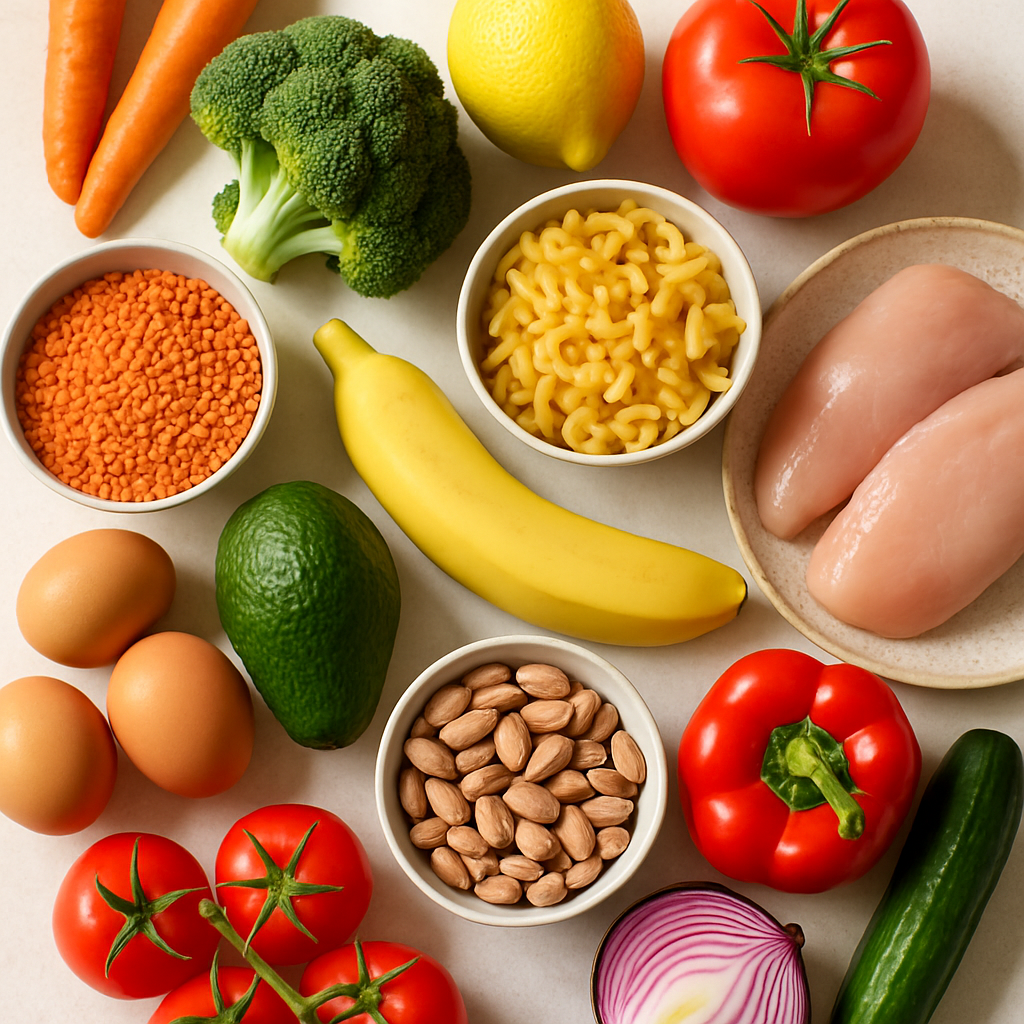
Eggs remain one of the best value sources of complete protein in any supermarket. Tinned oily fish — sardines, mackerel, pilchards — deliver omega-3 fatty acids, vitamin D, and high-quality protein for under a pound a tin. Dried pulses and legumes (lentils, chickpeas, black beans) cost a fraction of meat per serving and provide fibre, protein, and a range of micronutrients. Frozen vegetables are nutritionally comparable to fresh — sometimes even better, since they're typically frozen within hours of harvest, locking in nutrients that degrade during transport and storage.
Oats, natural yoghurt, bananas, sweet potatoes, and tinned tomatoes round out a list of foods that are cheap, widely available, and nutritionally solid. Building meals around these ingredients doesn't mean compromising — it means being strategic.
What the Evidence Shows
The idea that healthy food costs more has some truth to it when you compare specific items — a bag of crisps versus a bag of almonds, for example. But this framing misses the bigger picture.
A 2021 study published in PLOS Medicine examined the cost of diets meeting different nutritional standards across multiple countries and found that the cost difference between a healthy diet and an average diet was often smaller than assumed, particularly when plant-based proteins replaced animal proteins as the primary source. In the UK context, swapping even two or three meat-based meals per week for lentil, bean, or egg-based alternatives can cut the food bill noticeably while maintaining — and often improving — overall nutritional quality.
Research from the British Nutrition Foundation also highlights that meal planning is one of the most effective strategies for reducing food costs, primarily because it reduces waste and impulse purchasing. People who plan meals in advance tend to make fewer trips to the shops and buy more purposefully, which limits the spontaneous additions that inflate a weekly bill.
The evidence also supports batch cooking as a cost-reduction strategy — not just because bulk ingredients cost less per portion, but because having prepared food on hand reduces the likelihood of reaching for expensive convenience options when energy is low.
Smart Shopping Habits That Actually Make a Difference
There's plenty of advice floating around about shopping with a list or avoiding the supermarket when hungry, and while that's all fine, the bigger wins tend to come from structural changes rather than willpower-based tactics.
Shop seasonally where you can. Seasonal produce is cheaper because supply is high and transport costs are lower. Courgettes in summer, root vegetables in winter, brassicas in autumn — working with the season rather than against it reflects in the price.
Use the freezer more aggressively. Bread, meat, fish, and many vegetables freeze well. Buying larger quantities when prices are good and freezing portions immediately is one of the most underused household strategies. A loaf of bread going stale before the end of the week is easily solved by freezing half of it on the day it's bought.
Compare cost per 100g, not cost per item. Supermarkets display this on shelf labels. A larger pack almost always works out cheaper per gram, but only if you'll actually use it. For non-perishables — pasta, rice, oats, tinned goods — buying bigger quantities almost always makes sense.
Reduce, don't necessarily eliminate, meat. Meat tends to be the most expensive element of most meals. Stretching it further — using it as a flavour component alongside pulses rather than as the centrepiece — is a practical way to reduce cost without removing it entirely.
Planning Your Way to a Smaller Bill
The single most impactful thing most households can do is simply decide what they're going to eat before they go shopping, rather than after. This sounds obvious, but the majority of people don't consistently do it — and it shows in their food waste and spend.
A weekly meal plan doesn't need to be complicated or rigid. Even a rough outline of five or six evening meals, with a sense of what lunches and breakfasts will look like, gives you enough structure to write a purposeful shopping list. You only buy what you need, and you're far less likely to let things go to waste because you already know what role every ingredient plays.
Planning also allows you to build in deliberate ingredient overlap — using the same tin of coconut milk across two dishes, or roasting a large batch of vegetables that works in both a weeknight dinner and tomorrow's lunch. This kind of thinking transforms individual meals into an efficient system.
The upfront time investment is minimal once it becomes habit, and the financial return is consistent. Households that plan meals report spending less and wasting less, full stop.
Practical Takeaways
Here are some specific, actionable things worth trying this week:
- Write a meal plan for the next five days before doing any shopping. Base it around one or two versatile proteins (eggs, lentils, chicken thighs) and build outward from there.
- Check what's already in your freezer and cupboards before writing a shopping list. Many households have more to work with than they realise.
- Swap one branded staple for own-brand this week — pasta, tinned tomatoes, or oats are good starting points. Notice if you actually taste the difference.
- Buy one frozen vegetable you'd normally buy fresh and compare both the cost and the result in cooking. Frozen spinach, peas, and sweetcorn are particularly good substitutes.
- Cook once, eat twice. When making a curry, soup, or stew, double the batch deliberately and freeze or refrigerate the second half for later in the week.
- Audit your food waste for one week by noting what gets thrown away. Patterns usually emerge quickly — and they point directly to where money is being lost.
None of these require a dramatic overhaul of how you eat. They're small shifts in habit that compound over time into meaningful savings.
---
If you want a week's worth of nutritionally balanced meals planned around your budget and macro targets, Macrology generates macro-perfect meal plans in seconds — https://macrology.app/signin
Want meals like this planned to your exact macros?
Macrology generates a personalised meal plan in seconds — breakfast, lunch, dinner and snacks, all hitting your daily targets.
Start your free 14-day trial