How to cut the cost of your food bill without compromising on quality
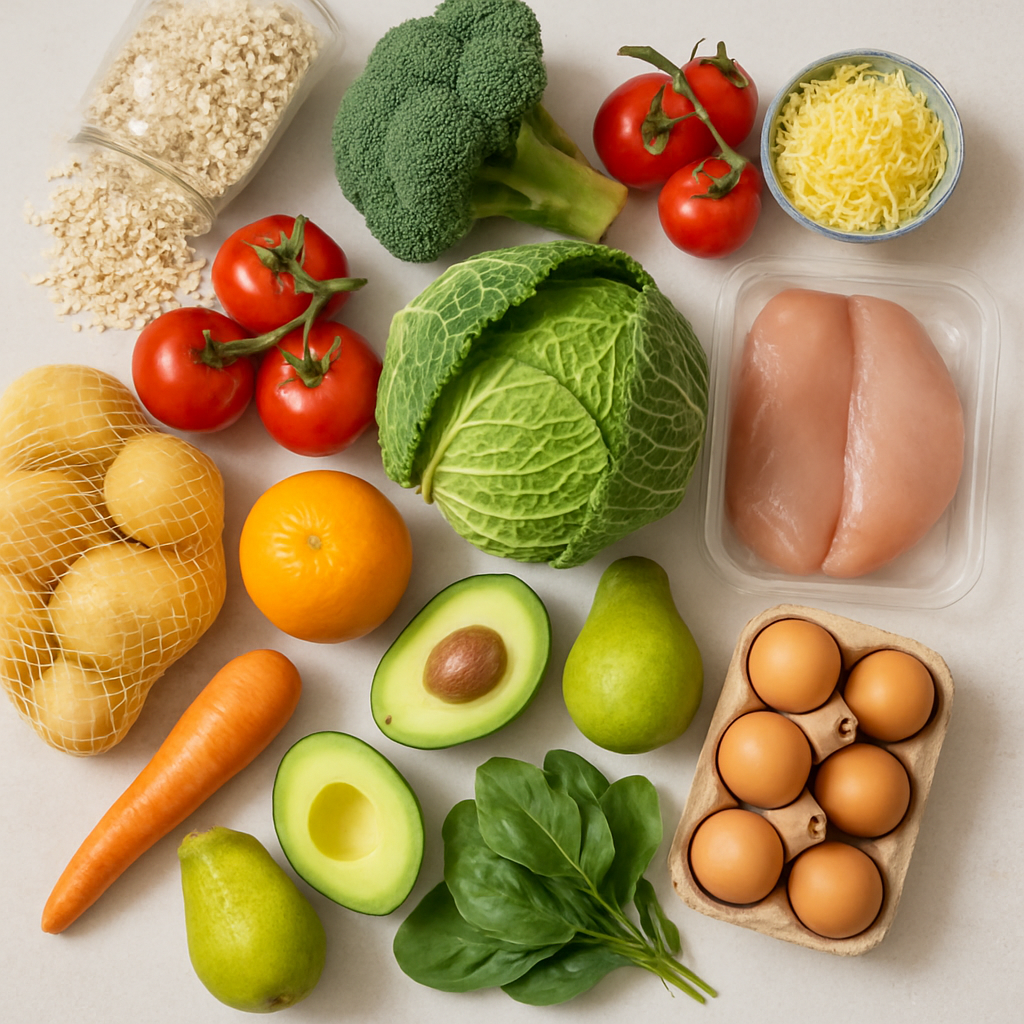
# How to Cut the Cost of Your Food Bill Without Compromising on Quality
Most of us have stood in the supermarket and felt the quiet shock of a weekly shop costing noticeably more than it did a couple of years ago. Food prices in the UK rose sharply through 2022 and 2023, and while inflation has eased, the cost of eating well still feels steep for many households. The good news is that eating nutritious, satisfying food and spending less aren't as incompatible as they might seem.
The myth that healthy eating is expensive
There's a persistent idea that eating well is a luxury — that good nutrition costs more. It's easy to see where this comes from. Supermarket meal deals and ultra-processed convenience foods are often aggressively priced, while a bag of spinach or a piece of salmon can feel comparatively dear.
But the framing is a bit skewed. The most nutritious foods on the planet — lentils, oats, eggs, tinned fish, frozen vegetables, beans — are among the cheapest per serving. A 500g bag of red lentils costs around £1 and contains roughly ten servings of a food that's high in protein, fibre, iron, and folate.
The issue isn't usually the whole foods themselves. It's that without a plan, we end up buying things we don't use, reaching for convenience out of tiredness, and underestimating how much fresh produce we're quietly throwing away each week.
What the evidence shows
Research from the Food Foundation and other UK nutrition organisations consistently finds that the healthiest dietary patterns — those rich in vegetables, legumes, whole grains, and moderate amounts of animal protein — can be delivered on a modest budget when meals are planned deliberately.
A 2021 study published in The Lancet looking at sustainable and affordable diets found that plant-forward eating patterns were not only better for health and the environment, but also lower in cost than diets dominated by meat and processed foods. This doesn't mean going vegan overnight — it simply means that shifting the balance slightly, with more pulses and grains alongside smaller portions of meat, tends to reduce both the bill and the saturated fat intake.
The NHS's own Eatwell Guide broadly reflects this — the foods it recommends eating most of (starchy carbohydrates, vegetables, fruits, legumes) also happen to be the most affordable. The alignment between good nutrition and budget cooking is stronger than most people realise.
Plan before you shop — seriously
This is the single highest-impact thing you can do. Not because planning is inherently virtuous, but because shopping without a plan is expensive. You buy things that don't form complete meals, you forget a key ingredient and end up ordering a takeaway, and you let fresh produce go to waste.
A weekly meal plan doesn't have to be rigid or time-consuming. Even a rough outline — five dinners, a few lunch ideas, a sense of what breakfasts look like — is enough to make a supermarket trip genuinely efficient. You buy what you need, in the quantities you'll actually use.
Batch cooking fits naturally into this. If you're making a lentil soup or a chickpea curry, doubling the recipe costs almost nothing in extra effort but gives you lunches for three or four days. Proteins like roast chicken or baked salmon can be cooked once and used across multiple meals — in salads, wraps, pasta dishes, or grain bowls.
Build your meals around the cheap nutrient-dense staples
Every culture in the world has figured this out independently: the most economical way to eat well is to build meals around a handful of cheap, filling, nutritious staples and add flavour and variety from there.
In practical terms for a UK household, that list looks something like this:
- Eggs — versatile, high in protein and healthy fats, and still one of the best-value foods in the supermarket
- Tinned and dried pulses — lentils, chickpeas, kidney beans, black beans. Cheap, high in protein and fibre, and filling
- Oats — an excellent breakfast that's genuinely sustaining and costs pennies per portion
- Frozen vegetables — nutritionally comparable to fresh (often better, since they're frozen at peak ripeness) and far less likely to go to waste
- Tinned fish — sardines, mackerel, and tuna are rich in omega-3 fatty acids and protein at a fraction of the cost of fresh fish
- Root vegetables — carrots, sweet potatoes, and parsnips are cheap, keep well, and work across dozens of dishes
None of these are dreary or restrictive. The world's most beloved cuisines — Indian, Mexican, Middle Eastern, Italian — are built substantially on these ingredients. A well-spiced lentil dal, a chickpea tagine, or a simple pasta e fagioli is genuinely delicious and costs very little to make.
Cut waste, not quality
Food waste is a silent drain on household budgets. The UK throws away around 9.5 million tonnes of food every year according to WRAP, and a significant chunk of that comes from households. For the average family, this amounts to roughly £700 worth of food annually — money that quite literally ends up in the bin.
The most wasted foods are fresh produce, bread, and dairy — exactly the items many people buy with good intentions and then fail to use before they turn.
A few practical approaches that make a real difference:
- Buy fresh produce in quantities you'll realistically use within a few days, and supplement with frozen or tinned
- Use the "first in, first out" approach in your fridge — older items to the front, newer ones to the back
- Learn a few versatile "use-it-up" recipes: a frittata for leftover vegetables, a soup for wilting greens, a stir-fry for anything that needs using
- Freeze bread before it goes stale rather than waiting until it's too late
Reducing waste doesn't require being precious or obsessive about it. Just a small shift in habits can save a meaningful amount over a month.
Shop smarter without chasing every deal
Supermarket own-brand and value ranges are often nutritionally identical to branded equivalents. Tinned tomatoes are tinned tomatoes. Rolled oats are rolled oats. The branding and packaging are doing a lot of heavy lifting at a significant price premium.
It's also worth knowing that frozen and tinned foods are not nutritional compromises. Frozen peas, sweetcorn, and spinach retain their vitamins well, and tinned fish, beans, and tomatoes are pantry staples with real nutritional value. Stocking your freezer and cupboards with these means you always have the foundation of a decent meal without relying on expensive fresh shopping trips.
Buying in bulk makes sense for non-perishables you use regularly — oats, lentils, rice, pasta, tinned beans — but less so for fresh items unless you have a clear plan to use them. And seasonal produce is almost always cheaper and often better tasting; a rough sense of what's in season (parsnips and kale in winter, courgettes and tomatoes in summer) helps you buy well without overthinking it.
Loyalty schemes and cashback apps (like Lidl Plus, Tesco Clubcard, or Sainsbury's Nectar) are genuinely worth using. They're not a silver bullet, but over the course of a year they add up to real savings on shopping you'd be doing anyway.
Practical takeaways you can act on this week
- Write a rough meal plan before your next shop — even five dinners sketched out is enough to reduce waste and impulse buying significantly
- Add one or two more pulse-based meals to your week — lentil soup, a bean chilli, or a chickpea curry are all cheap, filling, and nutritious
- Audit your freezer and cupboards before shopping — you probably have more to work with than you think
- Swap branded staples for own-brand where they're equivalent (pasta, tinned tomatoes, oats, beans)
- Buy frozen vegetables as your default, supplementing with fresh for items you'll definitely use quickly
- Batch cook one thing this weekend — a big pot of something that gives you lunches or easy dinners across the week
None of this requires a dramatic overhaul of how you eat. Small, consistent shifts in shopping and cooking habits compound into meaningful savings without any sacrifice in how well you eat.
---
If you want a straightforward way to plan nutritious, budget-conscious meals without the mental effort of doing it all yourself, Macrology generates macro-perfect meal plans in seconds — [https://macrology.app/signin](https://macrology.app/signin)
Want meals like this planned to your exact macros?
Macrology generates a personalised meal plan in seconds — breakfast, lunch, dinner and snacks, all hitting your daily targets.
Start your free 14-day trial