How Stress Affects Your Appetite and Food Choices
# How Stress Affects Your Appetite and Food Choices
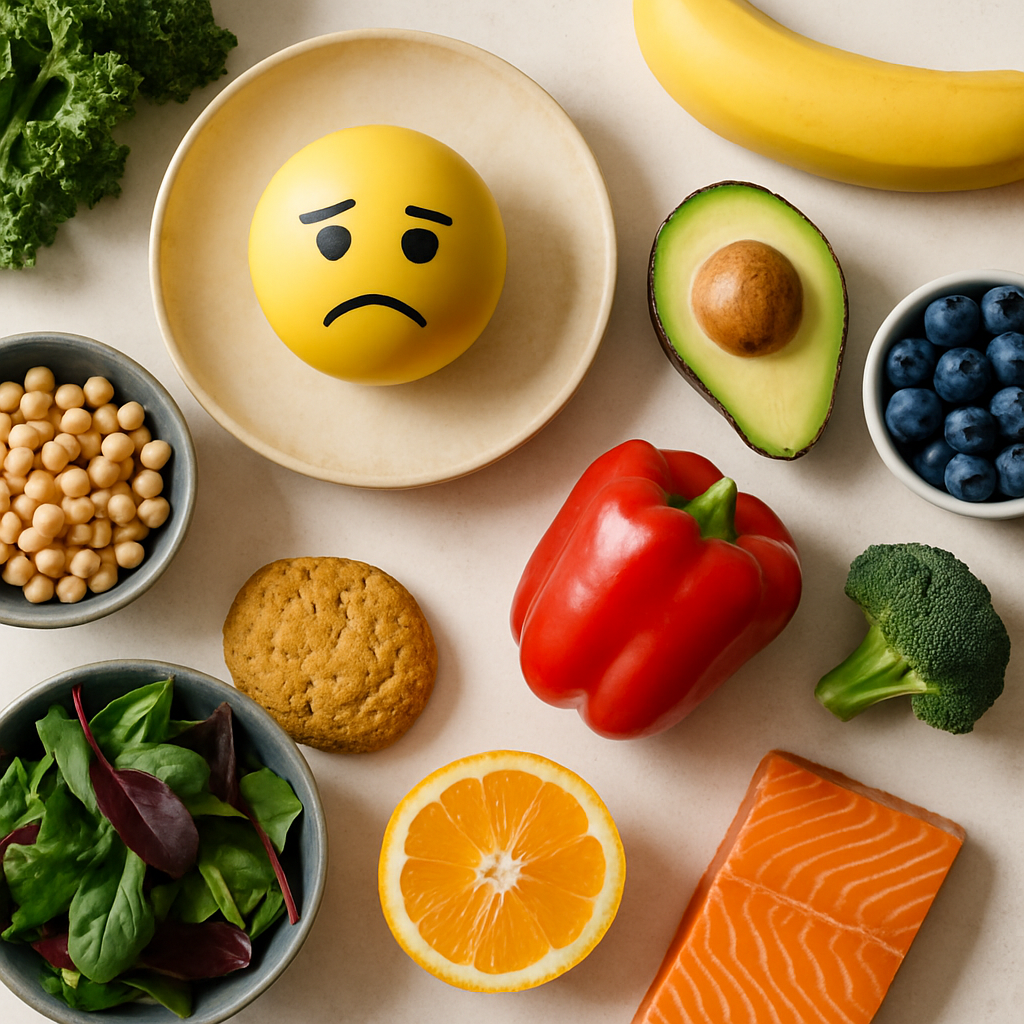
There's a reason you reach for biscuits during a deadline crunch rather than a bowl of salad. It's not a lack of willpower — it's biology. Understanding what's actually happening in your body when stress hits can make the whole thing feel a lot less mysterious, and a lot more manageable.
Why Stress Changes the Way You Eat
Stress doesn't just affect your mood — it actively rewires the signals your body sends about hunger and fullness. When you're under pressure, your brain triggers a cascade of hormonal changes designed to help you cope with a perceived threat. The trouble is, your brain can't always tell the difference between a work deadline and an actual emergency.
The result is a system that was built for short-term survival responding to long-term, low-grade modern stress — and that mismatch has a direct impact on what you want to eat, how much of it you eat, and how your body processes it.
The Hormones Behind the Hunger Shift
Two hormones are central to the stress-eating story: cortisol and adrenaline.
In the short term — think a sudden fright or a moment of acute panic — adrenaline suppresses appetite. Your body is in fight-or-flight mode, and digestion isn't the priority. This is why some people find they can't eat at all when they're acutely anxious.
But when stress is ongoing, cortisol takes over. Cortisol is your body's primary long-term stress hormone, and one of its jobs is to encourage energy storage — because historically, surviving a prolonged threat required fuel reserves. Research published in Psychoneuroendocrinology has found that elevated cortisol is consistently associated with increased appetite, particularly for foods high in fat and sugar. It also appears to influence the brain's reward pathways, making calorie-dense foods feel more satisfying than usual.
So the biscuit tin isn't calling your name because you're weak. It's calling because your cortisol is up.
What the Evidence Shows
The relationship between stress and eating behaviour is well-documented, and the picture is nuanced. Not everyone responds to stress by eating more — studies suggest roughly 40% of people eat less under stress, while around 40% eat more, with the remainder staying relatively unchanged. Genetics, personality, and the nature of the stressor all play a role.
A 2019 study in Obesity found that people who reported higher chronic stress had significantly higher caloric intake, with a strong bias towards ultra-processed foods. The researchers noted that this wasn't simply about emotional comfort — stress also impairs the prefrontal cortex, the part of the brain responsible for decision-making and impulse control. In other words, stress quite literally makes it harder to pause and make a considered choice about what to eat.
There's also evidence that stress disrupts ghrelin, often called the hunger hormone. Ghrelin levels rise when we're sleep-deprived or under pressure, increasing appetite and also affecting how rewarding food feels. Since stress and poor sleep tend to travel together, the two effects compound each other.
The Comfort Food Question
"Comfort eating" often carries a slightly shameful connotation, as though reaching for something warm and carb-heavy when you're overwhelmed is a personal failing. It isn't. There's actually solid biological reasoning behind it.
Carbohydrate-rich foods trigger a temporary increase in serotonin — a neurotransmitter associated with feelings of calm and wellbeing. High-fat foods activate the brain's opioid receptors, producing a mild analgesic effect. Your brain is, in a very real sense, self-medicating.
The issue isn't that this happens — the issue is that the relief tends to be short-lived, and if stress is chronic, this pattern can become a default coping mechanism that crowds out other, more effective strategies. It's also worth noting that ultra-processed foods, while offering that short-term lift, tend to produce energy crashes that can amplify feelings of fatigue and low mood — creating a cycle that reinforces itself.
How Stress Affects Food Choices Specifically
Beyond eating more or less, stress tends to shift the type of food people reach for in predictable ways. Research consistently shows a move away from fruit, vegetables, and home-cooked meals, and towards convenience foods, snacks, and takeaways.
This isn't purely about cravings. When you're overwhelmed, cognitive bandwidth narrows. Planning a balanced meal requires mental energy — thinking about what you have in, what needs using up, how long it'll take. Under pressure, that kind of forward thinking becomes harder. The path of least resistance (a ready meal, a drive-through, whatever's already in the cupboard) becomes the one you take.
There's also a time dimension. Stress often compresses the time available for cooking, eating, and even sitting down properly for a meal. Eating quickly and distractedly is associated with lower satiety, meaning you're more likely to feel hungry again sooner.
What Happens to Digestion Under Stress
It's not just what you eat that changes — it's how your body handles it. The gut and the brain are in constant two-way communication via the gut-brain axis, and stress has a measurable impact on digestive function.
During the stress response, blood flow is redirected away from the digestive system towards the muscles and heart. Gut motility — the speed at which food moves through the digestive tract — can speed up or slow down depending on the person and the type of stress, which is why some people experience stress-related diarrhoea and others get constipated. Stress also appears to alter gut microbiome composition over time, which has downstream effects on mood, immunity, and inflammation.
Eating while in an activated stress state means your body is less efficient at breaking down and absorbing nutrients — which is a rather inconvenient time to be reaching for food in the first place.
Practical Takeaways
You can't always control your stress levels, but there are a few things that genuinely help bridge the gap between what stress makes you want to do and what actually serves you.
Make the easy option a decent one. If stress narrows your decision-making capacity, the solution isn't to demand more of yourself in the moment — it's to reduce the number of decisions needed. Keeping quick, reasonably nutritious options easily accessible (pre-cooked grains, tinned fish, frozen vegetables, nut butter on oatcakes) means the path of least resistance leads somewhere reasonable.
Eat before you're frantic. Letting yourself get very hungry while already stressed is a reliable recipe for eating past fullness or making choices you wouldn't otherwise make. Regular meals — not necessarily perfect ones — help keep blood sugar stable and take some pressure off the decision-making.
Pause before eating, even briefly. You don't need a mindfulness routine. Even 60 seconds of sitting down before eating, rather than eating on the go, can help shift your nervous system out of acute stress mode and improve digestion.
Notice patterns without judging them. If you find you consistently reach for certain foods under pressure, that information is useful — not evidence of a character flaw. Knowing your own stress-eating patterns means you can plan around them rather than being blindsided every time.
Address the stress itself where possible. Sleep, movement, social connection, and time outside all have meaningful effects on cortisol regulation. These aren't buzzwords — they're the levers your body actually responds to.
If you want to take the mental load out of meal planning during stressful periods, Macrology generates macro-perfect meal plans in seconds — [https://macrology.app/signin](https://macrology.app/signin)
---
Stress eating isn't a character flaw, a lack of discipline, or something to feel bad about. It's your nervous system doing what nervous systems do. The more clearly you understand the mechanism, the easier it becomes to work with it — rather than fighting yourself every time life gets difficult.
Want meals like this planned to your exact macros?
Macrology generates a personalised meal plan in seconds — breakfast, lunch, dinner and snacks, all hitting your daily targets.
Start your free 14-day trial