How Protein Needs Change Across Different Life Stages
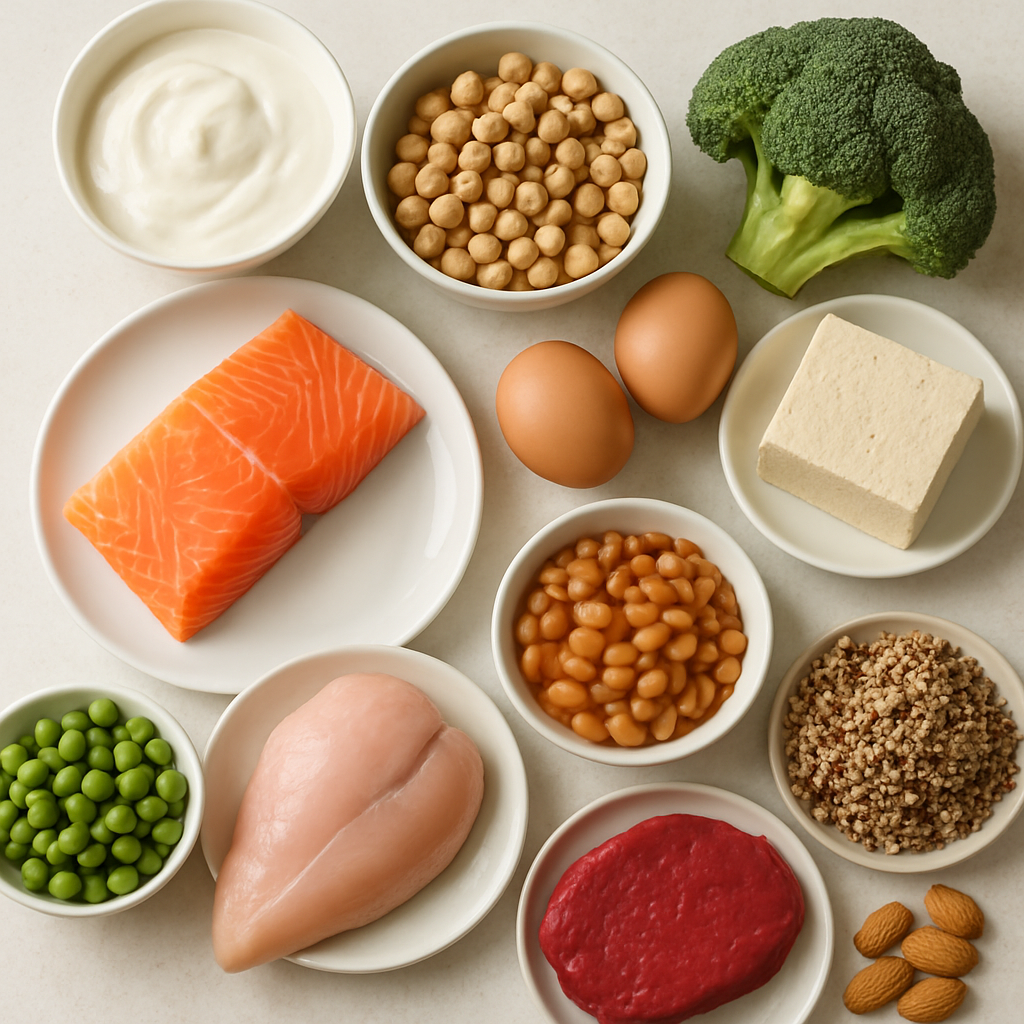
# How Protein Needs Change Across Different Life Stages
Most people assume protein is mainly a concern for gym-goers and bodybuilders. In reality, your protein requirements shift significantly throughout your entire life — and getting it wrong at any stage can have real consequences for your health, energy, and body composition.
Why Protein Isn't One-Size-Fits-All
The standard dietary reference value for protein in the UK sits at 0.75g per kilogram of body weight per day for adults. That figure sounds reassuringly simple, but it was designed as a population-wide floor — the minimum needed to prevent deficiency — not an optimum for every person at every age.
Protein does far more than build muscle. It's involved in immune function, hormone production, enzyme activity, wound healing, and the maintenance of virtually every tissue in your body. The demands placed on these systems change enormously between infancy and older age, which is why a blanket recommendation doesn't tell the full story.
Infancy and Early Childhood: The Fastest Growth Window
In the first year of life, a baby's protein needs per kilogram of body weight are higher than at any other point in the human lifespan. Infants roughly triple their birth weight in twelve months, and that growth requires a substantial supply of amino acids around the clock.
Breast milk and formula are calibrated to meet this demand, so for most healthy infants this isn't something parents need to engineer. The shift becomes more complex around six months when solid foods are introduced. At this point, variety and complementary proteins from foods like lentils, eggs, yoghurt, and finely minced meat start to matter alongside continued milk feeding.
By the toddler and early childhood years, relative protein needs (per kg) begin to fall as growth rate slows, but absolute needs still rise as children get bigger. Consistent protein intake across the day supports brain development, immune resilience, and the sustained energy that anyone who has met a four-year-old will know is non-negotiable.
Adolescence: Growth Spurts and the Pressure to Perform
Puberty triggers another significant spike in protein requirements. Rapid skeletal growth, increased muscle mass — particularly in males — and hormonal changes all demand more amino acids. UK dietary reference values for teenagers are notably higher than for younger children, reflecting this accelerated biology.
Adolescence also introduces a new layer of complexity: sport, body image, and social eating. Young people involved in competitive sport have genuinely elevated protein needs beyond standard recommendations, typically in the range of 1.2–1.7g per kg per day depending on training load and the type of activity.
At the same time, this life stage carries risks around under-eating — particularly among teenage girls — and over-supplementation among teenage boys. Neither extreme serves the body well. Whole food protein sources like eggs, chicken, fish, dairy, beans, and tofu offer far more than isolated supplements, including micronutrients that support bone density at a critical developmental window.
Adulthood: The Maintenance Years (That Aren't Quite as Stable as They Sound)
For most healthy adults between roughly 18 and 50, protein needs are relatively stable — but the context matters enormously. Pregnancy and breastfeeding substantially increase requirements, with UK guidance suggesting an additional 6g per day during pregnancy and around 11g per day during breastfeeding.
Highly active adults — whether recreational runners, strength trainers, or people in physically demanding jobs — consistently need more protein than the sedentary reference value suggests. Research repeatedly supports intakes of 1.4–2.0g per kg per day for those engaged in regular resistance or endurance training.
Stress, illness, and recovery from surgery also temporarily elevate protein needs, sometimes significantly. The body's demand for amino acids during recovery is often underappreciated, and inadequate intake at these moments can slow healing and muscle rebuilding.
What the Evidence Shows
The most significant shift in scientific thinking around protein over the last two decades has been about older adults. For decades, the same 0.75g/kg recommendation was applied across all adults regardless of age. The evidence now strongly suggests this is insufficient once people reach their 60s and beyond.
A landmark area of research here is anabolic resistance — the reduced ability of older muscle to respond to protein and exercise stimulation. Studies show that older adults need not just more total protein, but larger amounts per meal to trigger the same muscle protein synthesis response that a younger person achieves from a smaller dose. Research published in journals including the American Journal of Clinical Nutrition and Nutrients consistently points to intakes of 1.2–1.6g per kg per day for older adults as more appropriate for maintaining muscle mass and function.
The PROT-AGE study group, a panel of international experts, reviewed the evidence and recommended that healthy older adults aim for at least 1.0–1.2g per kg per day as a minimum — with higher targets for those with acute or chronic illness. The practical implication is that someone who has eaten perfectly adequately for decades may need to actively rethink their protein intake once they hit their 60s without changing their activity level at all.
Older Adults: Muscle Loss, Bone Health, and Staying Independent
Sarcopenia — the progressive loss of muscle mass and strength with age — is one of the most consequential but least discussed public health issues in the UK. It affects an estimated 10–20% of people over 60 and is associated with falls, fractures, loss of independence, and increased mortality risk.
Adequate protein intake is one of the most evidence-backed interventions for slowing sarcopenia, particularly when combined with resistance exercise. Spreading protein intake across three meals rather than concentrating it in one sitting appears to be especially effective in older adults, since muscle protein synthesis is more efficiently stimulated by regular moderate doses than by occasional large ones.
Bone health adds another dimension. Protein plays a direct role in bone matrix formation, and higher protein intakes in older adults are associated with better bone mineral density — countering the outdated concern that protein "leaches" calcium from bones, a theory that has not held up under scrutiny.
Practical Takeaways: Eating Enough Protein at Every Stage
Here's what this looks like in practice, without overcomplicating it:
For children and teenagers: Focus on variety. Eggs at breakfast, a protein-rich lunch (houmous and pitta, tuna sandwich, or lentil soup), and meat, fish, or beans at dinner covers most bases. Don't rely heavily on processed snacks as the primary protein source.
For adults in training or high-stress periods: Aim to spread protein across meals rather than loading it all into one. A rough target of 25–40g of protein per meal works well for most active adults and makes hitting daily totals far more achievable.
For pregnant and breastfeeding women: An extra portion of protein-rich food per day — an additional egg, a portion of Greek yoghurt, or a handful of nuts alongside a meal — is a straightforward way to meet the increased requirement without overhauling an entire diet.
For adults over 60: Make protein a conscious priority at every meal. Aim for at least 25–30g per sitting where possible. Greek yoghurt, eggs, fish, legumes, and good-quality meat are all excellent choices. If appetite is reduced — common in older age — protein-rich foods should take priority over energy-dense but protein-poor options.
At any age: Whole food sources beat supplements in almost every situation. They come packaged with vitamins, minerals, and other compounds that support the very processes protein is supposed to serve.
If you want a meal plan that automatically adjusts to your protein targets at any life stage, Macrology generates macro-perfect meal plans in seconds — https://macrology.app/signin
A Final Thought
Protein needs aren't static, and they're not just a concern for people lifting weights. They shift with your age, your activity, your health, and your life circumstances — and paying attention to them at each stage is one of the more straightforward things you can do for long-term health and function. No moral weight required, just a bit of awareness.
Want meals like this planned to your exact macros?
Macrology generates a personalised meal plan in seconds — breakfast, lunch, dinner and snacks, all hitting your daily targets.
Start your free 14-day trial