How Protein and Fibre Work Together to Keep You Fuller for Longer
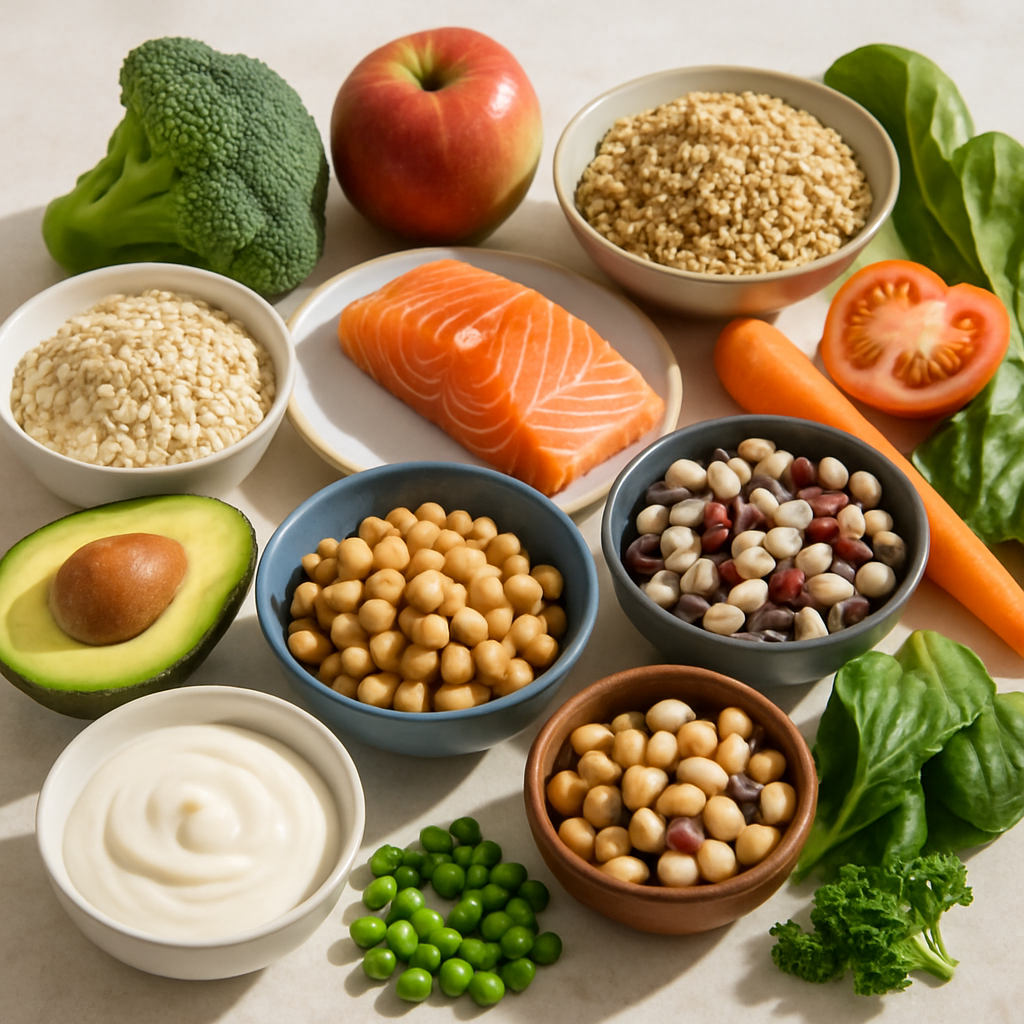
# How Protein and Fibre Work Together to Keep You Fuller for Longer
Most people know that protein and fibre are both good for you — but they tend to think of them separately. What's less well known is that these two nutrients work together in ways that can make a real difference to how satisfied you feel after eating.
Why Hunger Is More Complicated Than You Think
Hunger isn't just an empty stomach. It's a cascade of hormones, nerve signals, and blood sugar fluctuations that your brain is constantly interpreting and responding to.
Two hormones do a lot of the heavy lifting here: ghrelin, which rises before meals and signals hunger, and peptide YY (PYY) and GLP-1, which are released after eating and tell your brain you're full. The speed and strength of those fullness signals depend heavily on what you actually ate.
Eating a meal that's low in both protein and fibre — think white bread and jam — tends to produce a sharp blood sugar spike followed by a crash, with weak satiety hormone responses. You're hungry again within an hour or two. Add protein and fibre into the picture, and the whole process slows down and stabilises in ways that are genuinely useful.
What Protein Does to Your Appetite
Protein is consistently the most satiating macronutrient, and the research on this is unusually consistent for nutrition science.
When you eat protein, your gut releases more PYY and GLP-1 than it does in response to fat or carbohydrates. At the same time, protein suppresses ghrelin more effectively — meaning hunger signals stay quieter for longer. A 2008 study published in the American Journal of Clinical Nutrition found that increasing protein intake from 15% to 30% of calories led participants to eat around 441 fewer calories per day without consciously restricting food.
Protein also has the highest thermic effect of any macronutrient, meaning your body uses more energy to digest and metabolise it. Around 20–30% of the calories from protein are burned in the digestion process itself, compared to just 5–10% for carbohydrates and 0–3% for fat.
What Fibre Does to Your Appetite
Fibre works through different but complementary mechanisms. Soluble fibre — found in oats, lentils, apples, and beans — dissolves in water and forms a gel-like substance in your digestive tract. This slows the movement of food through your gut, which does two helpful things: it blunts the blood sugar spike after a meal, and it prolongs the period during which your gut is actively digesting and sending fullness signals to your brain.
Insoluble fibre — found in wholegrains, vegetables, and nuts — adds bulk to food and takes up physical space in your stomach, contributing to mechanical fullness.
There's also a third piece: the gut microbiome. When soluble fibre reaches your large intestine, bacteria ferment it and produce short-chain fatty acids (SCFAs). These SCFAs stimulate the release of even more PYY and GLP-1, adding another wave of satiety signalling hours after you've eaten. It's a slower, quieter form of fullness — but it's real.
What the Evidence Shows
The case for combining protein and fibre isn't just theoretical — it's been tested directly.
A 2020 study in the journal Nutrients found that meals combining higher protein and higher fibre content produced significantly greater reductions in hunger and greater increases in fullness hormones compared to meals matched for calories but lower in both nutrients.
Research on high-protein, high-fibre breakfasts — like eggs with wholegrain toast or Greek yoghurt with berries and oats — consistently shows reduced calorie intake at subsequent meals, not through willpower, but through genuine physiological satiety signals.
It's worth addressing a common misconception here: many people assume that feeling full is mainly about volume — how much food is physically in your stomach. Volume does play a role, but hormonal satiety is more powerful and longer-lasting. A large bowl of plain white rice might fill your stomach temporarily, but the hormonal response fades quickly. A smaller meal built around protein and fibre keeps those signals active for longer.
Why They Work Better Together Than Apart
Here's where things get interesting. Protein and fibre don't just add their effects together — there's a genuine synergy.
Fibre slows gastric emptying, which means protein stays in your digestive system longer. This extended contact with gut cells may enhance the release of satiety hormones beyond what either nutrient achieves alone. In practical terms, a high-protein meal with very little fibre is more satiating than a low-protein meal — but add fibre in, and you extend and deepen that satiety meaningfully.
There's also the blood sugar angle. Protein has a modest effect on blunting blood sugar spikes; fibre has a strong one. Together, they create a much more stable post-meal glucose response than either achieves on its own — and stable blood sugar is closely linked to fewer cravings and more consistent energy levels throughout the day.
This is partly why food combinations like lentil soup, chicken and vegetable stir-fry with brown rice, or a chickpea and spinach curry tend to leave people so much more satisfied than meals that are heavy in one nutrient but not the other.
Common Ways People Accidentally Undereat Both
It's surprisingly easy to end up with meals that are low in both protein and fibre, particularly when eating quickly or relying on convenience foods.
A typical meal deal of a white bread sandwich, crisps, and a soft drink might clock in at 600 calories but deliver very little in the way of either nutrient. Pasta with a tomato sauce, unless it includes pulses or a protein source, is another common example — plenty of energy, but a fairly weak satiety response for the calories involved.
Breakfast is where this gap is most common. Toast with jam, sugary cereal, or even a fruit smoothie can provide significant calories with minimal protein or fibre to anchor them. This doesn't mean those foods are bad choices — but if you find yourself hungry again by mid-morning, it's worth looking at whether your breakfast is doing much in the way of satiety.
Practical Takeaways
You don't need to overhaul everything at once. A few targeted swaps can make a meaningful difference to how full you feel without dramatically changing how you eat.
Anchor your meals with a protein source first. Before building a meal, decide on the protein — chicken, fish, eggs, tofu, pulses, Greek yoghurt, cottage cheese. Everything else builds around it.
Add fibre through vegetables, pulses, and wholegrains. A handful of spinach or a spoonful of butter beans doesn't change the flavour of a dish much, but it shifts the nutritional profile considerably. Lentils added to a mince dish, chickpeas stirred into a soup, or a side of roasted vegetables all count.
Reconsider your breakfast. Swapping sugary cereal for porridge with protein powder or Greek yoghurt, or moving to eggs with wholegrain toast, is one of the highest-leverage changes you can make to your hunger patterns across the day.
Don't forget fluid. Soluble fibre absorbs water to form that gel-like consistency, so staying hydrated helps fibre do its job properly.
Aim for balance across the day, not perfection at every meal. Some meals will be higher in one and lower in the other — that's fine. The overall pattern matters more than hitting targets at every sitting.
If you want your meals to hit the right balance of protein and fibre without having to plan everything from scratch, Macrology generates macro-perfect meal plans in seconds — https://macrology.app/signin
Want meals like this planned to your exact macros?
Macrology generates a personalised meal plan in seconds — breakfast, lunch, dinner and snacks, all hitting your daily targets.
Start your free 14-day trial