How Appetite Changes With Age — and What to Do About It
# How Appetite Changes With Age — and What to Do About It
Most people assume that gaining weight is the inevitable story of getting older. But for a significant number of people — particularly from middle age onwards — the opposite is true: appetite quietly shrinks, meals get smaller, and it becomes surprisingly easy to eat far less than your body actually needs.
Understanding why this happens, and what you can do about it, is one of the more useful things you can know about long-term health.
Why Appetite Tends to Decline as We Get Older
The shift isn't just about eating habits or willpower — it's rooted in genuine physiology. Researchers have a name for it: anorexia of ageing, which sounds alarming but simply refers to the natural reduction in appetite that occurs across adulthood, becoming more pronounced from around the age of 60 onwards.
Several mechanisms are at play. The hormones that regulate hunger — particularly ghrelin, which signals to the brain that it's time to eat — tend to decrease with age. At the same time, hormones that signal fullness, like cholecystokinin (CCK), remain relatively active or even increase. The result is a system that's slower to say "I'm hungry" and quicker to say "I'm full."
Gastric emptying — the rate at which food moves out of the stomach — also slows down over time. This means older adults often feel fuller for longer after a meal, which reduces the drive to eat again soon. Add to that a natural decline in sensory perception (taste and smell become less acute with age), and food can simply feel less appealing than it once did.
The Muscle Loss Problem Nobody Talks About Enough
Here's where things get important. A declining appetite on its own might seem harmless — even welcome, if you've spent years trying to eat less. But the issue is what tends to get lost alongside the reduction in food intake: protein and calories.
As we age, the body becomes less efficient at building and maintaining muscle. This process, known as sarcopenia, begins gradually in our 30s and accelerates from around 60 onwards. Muscle loss affects strength, balance, metabolism, and even immune function.
The cruel irony is that just as the body needs more dietary protein to compensate for this reduced efficiency, appetite often drops and protein-rich foods — meat, fish, eggs, legumes — are frequently among the first things people eat less of, either because they feel too filling or because preparing them feels like more effort.
Research published in the British Journal of Nutrition has found that older adults consistently under-consume protein relative to what their bodies actually need to maintain muscle mass. The commonly cited recommendation of 0.8g of protein per kilogram of bodyweight per day is now widely considered too low for older populations, with many nutrition scientists arguing the figure should be closer to 1.2–1.6g per kg.
What the Evidence Shows
The science on appetite and ageing is fairly well-established in some areas, and still evolving in others. Here's a clear-eyed summary of what we know.
Energy intake declines meaningfully with age. Studies suggest that by their 70s and 80s, many people are consuming significantly fewer calories than they did in midlife — sometimes 20–30% less — without necessarily realising it.
Nutrient density becomes more important, not less. When total food volume decreases, every mouthful carries more nutritional responsibility. Filling up on lower-nutrient foods — not because they're "bad" but simply because they're easy and palatable — can leave genuine gaps in intake of protein, calcium, vitamin D, B12, and iron.
Social and psychological factors matter enormously. Appetite is strongly influenced by context. Eating alone, bereavement, low mood, and reduced social engagement are all independently associated with reduced food intake in older adults. A 2019 review in Appetite journal found that social eating consistently increased food intake and meal enjoyment across age groups — a finding with very practical implications.
Medication effects are often overlooked. Many common medications prescribed in midlife and beyond — including some antidepressants, blood pressure medications, and drugs for diabetes — can affect appetite, taste perception, and digestion in ways that compound the physiological changes already happening.
Does This Affect Everyone the Same Way?
Not at all, and this is worth flagging. The changes described above represent general trends, not a fixed trajectory. Plenty of people in their 60s, 70s, and beyond maintain robust appetites and excellent nutritional intake.
Physical activity is one of the biggest moderating factors. People who remain active — particularly those doing resistance or strength training — tend to retain better appetite regulation and greater muscle mass. Exercise stimulates appetite through multiple pathways and helps maintain the hormonal environment that supports hunger signalling.
Cooking confidence and food environment also play a role. People who cook regularly, shop for fresh ingredients, and eat with others tend to eat more varied and nutritious diets than those who rely heavily on convenience foods or eat in isolation. This isn't a moral observation — it's a structural one. Making food feel worth the effort matters.
What About Changes in Midlife Specifically?
It's worth pausing on the middle decades — roughly 40 to 60 — because appetite changes here are often a mixed picture that gets misunderstood.
For many people, particularly women navigating perimenopause and menopause, this period brings shifts in body composition that can feel confusing. Calorie needs may change. Fat distribution shifts. Hunger patterns can become less predictable. Hormonal fluctuations affect everything from energy levels to cravings to how efficiently the body uses nutrients.
At the same time, this is often when people are busiest — with work, family, caring responsibilities — and food planning falls to the bottom of the priority list. The result can be erratic eating patterns that don't serve long-term health particularly well, even when overall calorie intake looks roughly fine on paper.
This is one of the phases of life where getting intentional about nutrition — not obsessive, just thoughtful — pays real dividends for how you feel day to day and how you age over the following decades.
Practical Takeaways
Here's what the evidence suggests is genuinely worth doing, regardless of where you are in this picture.
Prioritise protein at every meal, not just dinner. Spreading protein intake throughout the day is more effective for muscle synthesis than concentrating it in one sitting. Aim for a meaningful protein source at breakfast, lunch, and dinner — eggs, Greek yoghurt, fish, meat, beans, tofu, or dairy all count.
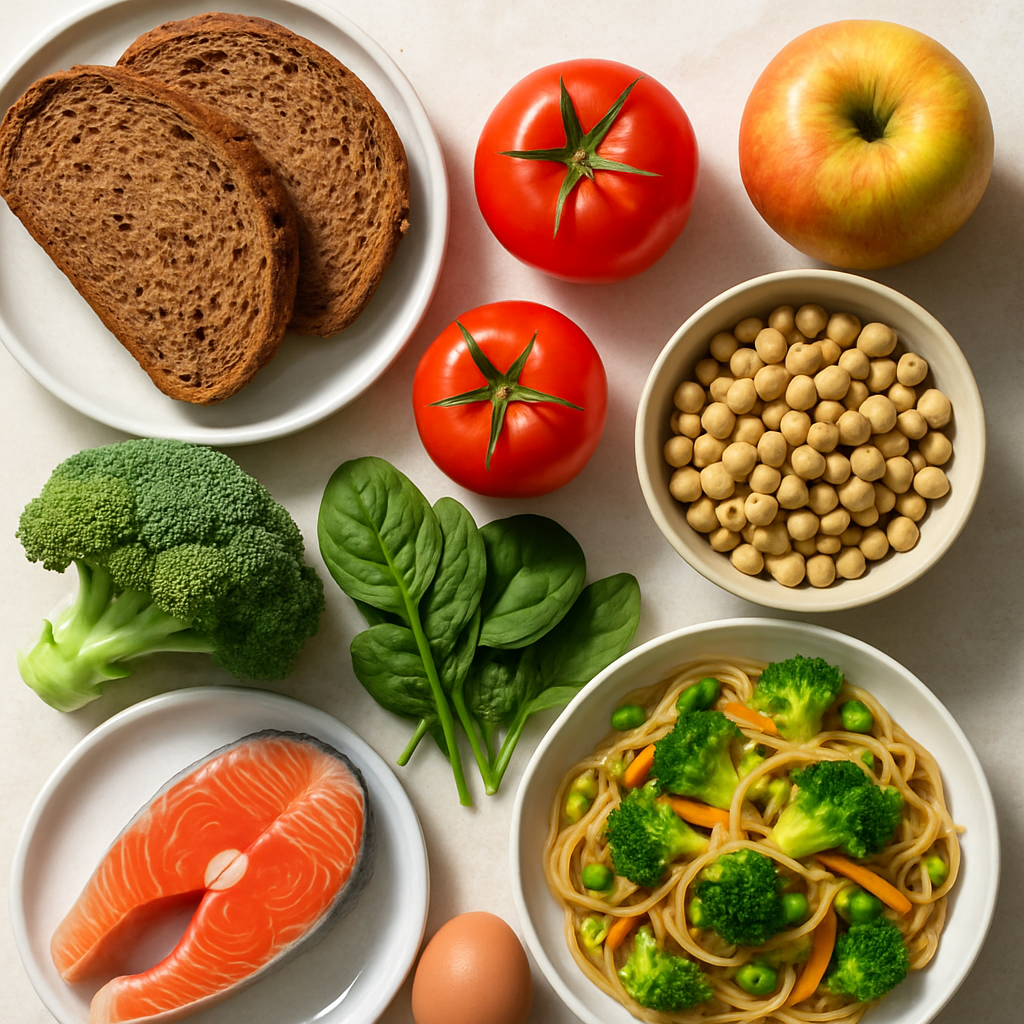
Think nutrient density, not food volume. If appetite is lower, the goal shifts from eating more to eating smarter. Foods like oily fish, eggs, full-fat dairy, legumes, and leafy vegetables pack a lot of nutritional value into relatively small amounts.
Don't underestimate vitamin D and B12. These are the two most common deficiencies in older adults in the UK, and both are largely symptomless until they become significant problems. A basic blood test through your GP can check your levels.
Eat with other people when you can. The research on this is genuinely compelling. Social eating improves intake, enjoyment, and overall dietary quality. Even occasional shared meals — with friends, family, or community groups — make a measurable difference.
If appetite has dropped noticeably and recently, flag it. A sudden reduction in appetite is always worth mentioning to a GP, particularly if it's accompanied by unintentional weight loss. It can sometimes indicate something worth investigating.
Keep meals simple enough to make consistently. Elaborate cooking is great, but reliability beats perfection. Having a handful of go-to meals that are quick, satisfying, and nutritionally solid is one of the most practical things anyone can do.
---
If you want to make sure your meals are actually hitting your protein and macro targets as your needs change, Macrology generates macro-perfect meal plans in seconds — https://macrology.app/signin
Want meals like this planned to your exact macros?
Macrology generates a personalised meal plan in seconds — breakfast, lunch, dinner and snacks, all hitting your daily targets.
Start your free 14-day trial