The Case for Eating More Oily Fish: What UK Adults Are Missing
# The Case for Eating More Oily Fish: What UK Adults Are Missing
Most people know they're supposed to eat more fish. Far fewer actually do it. And when it comes to oily fish specifically, the gap between what's recommended and what ends up on British plates is surprisingly wide.
It turns out that gap matters more than most of us realise.
What counts as oily fish — and what doesn't
This is where a lot of confusion starts. Not all fish are created equal nutritionally, and the term "oily fish" refers to a specific group with a very different nutritional profile to white fish like cod or haddock.
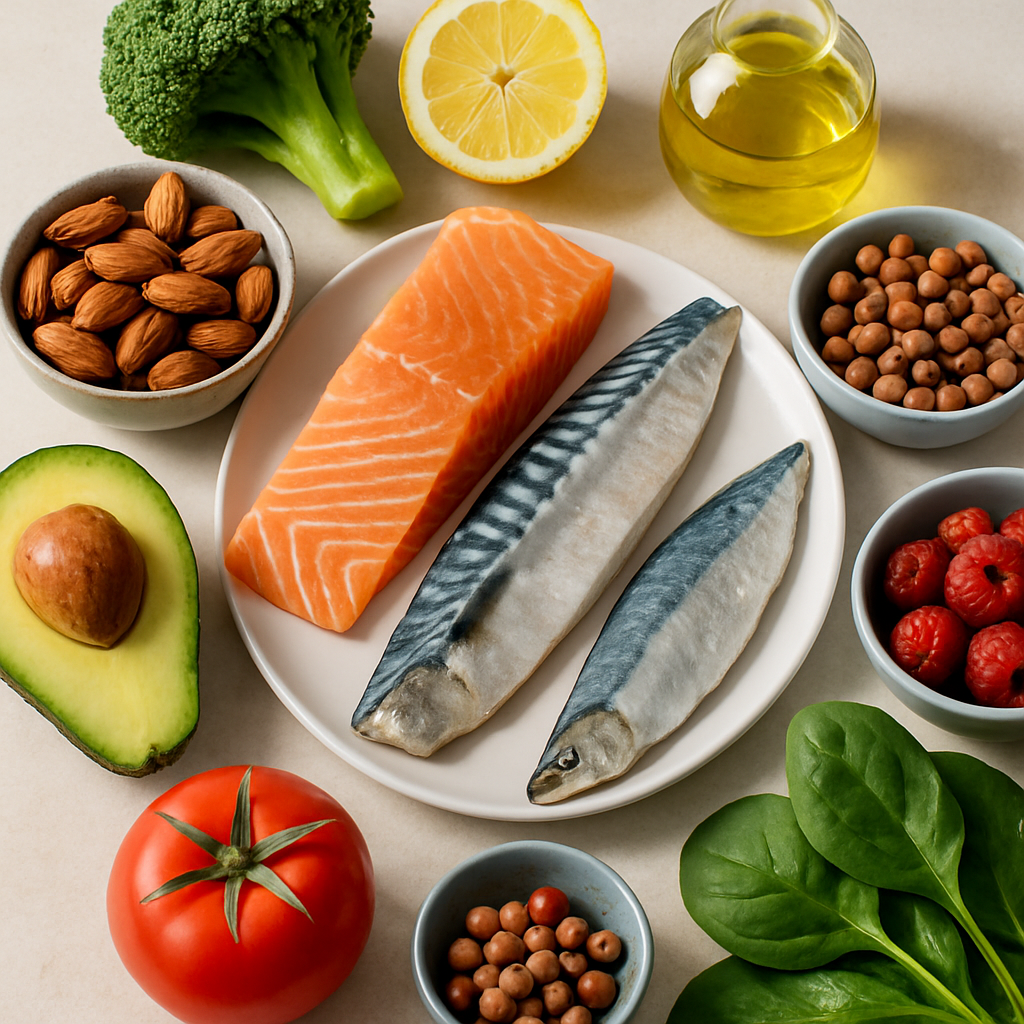
Oily fish are those where the fat — predominantly omega-3 fatty acids — is distributed throughout the flesh, rather than concentrated in the liver. The main ones available in UK supermarkets are salmon, mackerel, sardines, trout, herring, anchovies, and fresh tuna. Tinned tuna, confusingly, doesn't count — the canning process removes most of the beneficial fats, so it sits in a different category.
White fish are still nutritious, particularly as a lean protein source, but they simply don't deliver the omega-3s that make oily fish worth talking about separately.
How much are UK adults actually eating
The NHS recommendation is at least two portions of fish per week, one of which should be oily. A portion is around 140g. That's a modest target by any measure.
Yet data from the National Diet and Nutrition Survey consistently shows that most UK adults fall well short. Surveys suggest fewer than one in three adults meets even this modest recommendation, and intake of oily fish specifically is particularly low. Many people eat oily fish less than once a fortnight, if at all.
The picture is even more pronounced among younger adults and men, where fish consumption tends to be lowest overall. This isn't just a matter of dietary preference — it represents a meaningful gap in key nutrients that are hard to source elsewhere.
What the evidence shows
The research on oily fish and health outcomes is some of the most consistent in nutritional science — which is saying something, given how often nutrition research contradicts itself.
The omega-3 fatty acids in oily fish — primarily EPA (eicosapentaenoic acid) and DHA (docosahexaenoic acid) — play a structural role in cell membranes throughout the body, with particularly high concentrations in the brain and retina. They also have well-documented anti-inflammatory effects.
Cardiovascular health has the strongest evidence base. A large 2021 meta-analysis published in the European Heart Journal found that regular fish consumption was associated with a significantly reduced risk of major cardiovascular events. The omega-3s in oily fish appear to help reduce triglycerides, support healthy blood pressure, and may reduce the tendency of blood to clot inappropriately.
Brain health is another area attracting serious research attention. DHA is the dominant fatty acid in the brain, and adequate intake throughout life is linked to better cognitive function and a reduced risk of cognitive decline in older age. A 2022 review in Nutrients noted that low omega-3 status is consistently associated with higher rates of depression and anxiety, though the direction of causality is still being investigated.
Inflammation is perhaps the most fundamental mechanism underpinning many of these benefits. Chronic low-grade inflammation is increasingly understood to sit at the root of conditions ranging from type 2 diabetes to certain cancers. EPA and DHA are precursors to compounds called resolvins and protectins, which actively help the body resolve inflammatory processes — a more nuanced picture than simply "anti-inflammatory."
Oily fish also deliver a nutritional bonus beyond omega-3s: they're excellent sources of vitamin D, which the UK population is widely deficient in (particularly through winter months), as well as vitamin B12, iodine, and high-quality protein.
The supplement question
Omega-3 supplements — fish oil capsules, algae-based oils — are one of the best-selling supplements in the UK. So does it matter whether you eat the actual fish?
The honest answer is: probably yes, it matters somewhat. The evidence for omega-3 supplements is more mixed than for whole fish consumption. Several large trials, including the ASCEND trial and the VITAL trial, showed more modest cardiovascular benefits from supplementation than earlier studies suggested. There's growing consensus that whole food sources deliver omega-3s in a matrix alongside other nutrients — vitamin D, selenium, protein — that may work synergistically in ways supplements can't replicate.
That said, supplementation is a reasonable option for those who genuinely can't or won't eat oily fish. Algae-based omega-3 supplements are worth noting specifically for vegetarians and vegans — algae is actually where fish get their omega-3s from in the first place, so going direct to the source makes biological sense.
But if the choice is between eating mackerel twice a week and taking a capsule daily, the mackerel is likely doing more for you overall.
Common reasons people avoid oily fish — and practical workarounds
The barriers are real. Oily fish has a stronger flavour than white fish, which puts a lot of people off. It can feel like an effort to cook, especially on weeknights. And there's sometimes uncertainty about how to prepare it in a way that doesn't leave the kitchen smelling like a harbour.
A few things worth knowing:
Tinned and jarred oily fish are just as nutritious as fresh, and often more convenient. Tinned sardines, mackerel fillets in olive oil, and jarred anchovies all count. A tin of sardines on toast takes about three minutes and delivers a substantial omega-3 hit alongside calcium (if you eat the soft bones), vitamin D, and protein.
Smoked mackerel is another underrated option — it's pre-cooked, inexpensive, and works brilliantly in salads, pâtés, or pasta dishes without any cooking required.
Frozen salmon fillets are often cheaper than fresh and nutritionally equivalent. Baking them in foil with some lemon and herbs produces almost no smell and takes about 20 minutes.
For those who find the flavour of oily fish genuinely challenging, starting with milder options like trout or salmon, and pairing them with bold flavours — capers, lemon, mustard, strong herbs — can help bridge the gap.
What about mercury and sustainability
Two legitimate concerns that come up often and deserve a straight answer.
Mercury: Oily fish do contain some mercury, but the NHS guidance is clear that for most adults, the benefits of eating up to four portions of oily fish per week significantly outweigh the risks. The exception is pregnant women and those trying to conceive, who are advised to limit oily fish to two portions per week due to mercury's potential effects on foetal development. For everyone else, the current evidence doesn't support avoiding oily fish on mercury grounds.
Sustainability: This is a genuine issue, and it's reasonable to be thoughtful about it. MSC-certified fish (look for the blue tick on packaging) offers a straightforward way to choose more sustainably sourced options. Tinned sardines and mackerel tend to be among the more sustainable choices; Atlantic salmon farming varies considerably in its environmental impact depending on the producer.
The Marine Conservation Society's Good Fish Guide is a free, regularly updated resource if you want to go deeper on this.
Practical takeaways
Closing the gap between current intake and the recommended one portion of oily fish per week doesn't require a dramatic overhaul of how you eat. A few concrete starting points:
- Keep a tin of sardines or mackerel in the cupboard as a default quick lunch on toast or with crackers and salad
- Swap one chicken or meat-based dinner each week for a salmon fillet or smoked mackerel salad
- Add anchovies to pasta sauces, pizza, or salad dressings — they dissolve completely into the dish and add depth of flavour without a "fishy" taste
- Try trout if salmon feels boring — it's nutritionally similar, often cheaper, and has a slightly lighter flavour
- Batch cook salmon or mackerel at the weekend and use it through the week in sandwiches, grain bowls, or salads
If you want a meal plan that builds oily fish in naturally alongside your other macro targets, Macrology generates macro-perfect meal plans in seconds — https://macrology.app/signin
The one-portion-per-week target isn't especially demanding. But for most UK adults, closing even that gap could make a meaningful difference to long-term health — quietly, without any dramatic intervention required.
Want meals like this planned to your exact macros?
Macrology generates a personalised meal plan in seconds — breakfast, lunch, dinner and snacks, all hitting your daily targets.
Start your free 14-day trial