Carbohydrates and Energy: Why Timing Your Carbs Around Exercise Matters
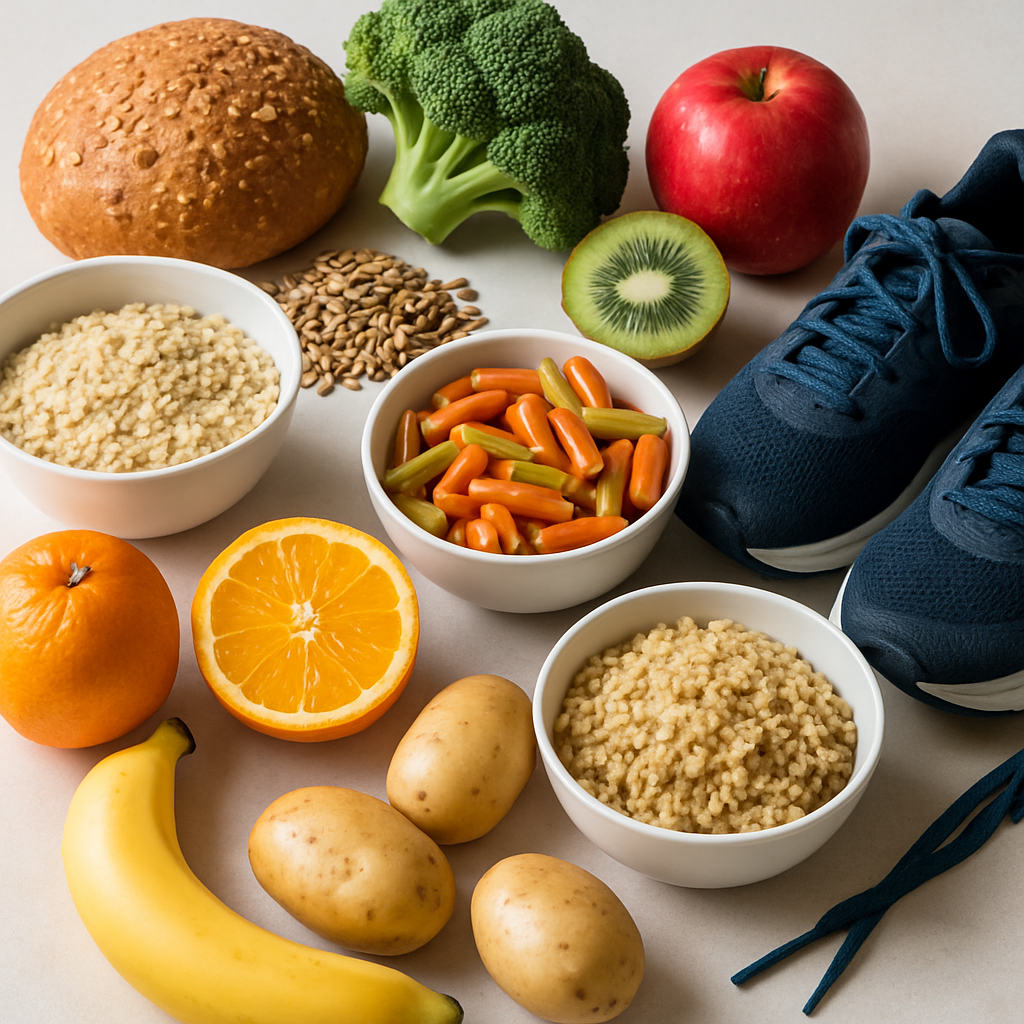
# Carbohydrates and Energy: Why Timing Your Carbs Around Exercise Matters
You've probably heard that carbohydrates give you energy — but have you ever wondered why some workouts feel effortless while others feel like wading through concrete, even when you've eaten the same amount? The difference often comes down not just to what you eat, but when you eat it. Carbohydrate timing is one of the most practical and well-supported tools in sports nutrition, and it doesn't require a spreadsheet or a degree in biochemistry to use it.
Why Carbohydrates Matter for Exercise
Carbohydrates are your body's preferred fuel source during moderate-to-high intensity exercise. When you eat them, they're broken down into glucose and either used immediately for energy or stored as glycogen in your muscles and liver.
Glycogen is essentially your body's on-board fuel tank. During a run, a cycling session, or a weights workout, your muscles draw on this stored glycogen to power movement. The harder and longer you work, the faster those stores deplete.
When glycogen runs low, performance drops — sometimes sharply. You might recognise this as "hitting the wall" in longer endurance events, or simply feeling sluggish and weak halfway through a session. It's not a willpower issue; it's fuel availability.
What the Evidence Shows
The science around carbohydrate timing has been building for decades. A landmark 1988 study by Ivy and colleagues demonstrated that consuming carbohydrates in the first two hours after exercise significantly accelerated glycogen resynthesis compared to waiting several hours. This "window of opportunity" became a cornerstone concept in sports nutrition.
More recent research has added nuance. A 2013 review published in the Journal of the International Society of Sports Nutrition by Aragon and Schoenfeld found that while the post-exercise window is real, it's less critical if you've eaten well before training. In other words, the urgency of the post-workout meal depends largely on what you ate — and when — before you exercised.
For endurance athletes, carbohydrate timing has the strongest evidence base. Studies consistently show that consuming 30–60g of carbohydrates per hour during prolonged exercise (lasting more than 60–90 minutes) maintains performance and delays fatigue. For strength training, the picture is slightly less dramatic but still meaningful — adequate carbohydrate availability supports training volume and reduces muscle protein breakdown during sessions.
The takeaway from the research isn't that timing is everything, but that it's a meaningful lever — particularly when training volume is high or sessions are close together.
Before Your Workout: Fuelling Up Without Weighing Yourself Down
Eating before exercise is where a lot of people either overthink things or ignore the question entirely. Both approaches can backfire.
A meal eaten 2–3 hours before training is the sweet spot for most people. This gives your body enough time to digest and convert food into available fuel without exercising on a full stomach. A balanced plate — carbohydrates, some protein, and moderate fat — works well here. Think: rice and chicken, pasta with a light sauce, or toast with eggs.
If you're training first thing in the morning or can't manage a full meal beforehand, a smaller snack 30–60 minutes before can help top up glycogen without causing discomfort. Something easily digestible and carbohydrate-focused works best at this point — a banana, a small bowl of oats, or a rice cake with a bit of honey. High fat or high fibre choices just before exercise can slow digestion and cause GI discomfort mid-session.
One common misconception is that training fasted is always beneficial for fat loss. While fasted training does increase fat oxidation during the session itself, research suggests this doesn't necessarily translate to greater fat loss overall when total calories and protein are matched. For most people, training with some fuel available simply means a better quality session — more output, less suffering.
During Exercise: When Does It Actually Matter?
For workouts lasting under 60 minutes, you generally don't need to eat during exercise. Your glycogen stores should be sufficient if you've fuelled appropriately beforehand.
Once you're working for 60–90 minutes or more, consuming carbohydrates during the session starts to make a real difference. This is particularly true for endurance activities like running, cycling, swimming, or football. Sports drinks, gels, bananas, or dried fruit are all practical options here — the goal is fast-absorbing carbohydrates that don't sit heavily.
For strength training, the calculus is a little different. Even long sessions rarely deplete glycogen to the same degree as sustained cardio, so intra-workout carbohydrates are rarely necessary unless you're doing very high volume training (multiple heavy sets over 90+ minutes). If you're doing a standard 45–60 minute gym session, water is usually all you need.
After Your Workout: The Recovery Window
Post-exercise nutrition often gets more attention than it deserves in casual fitness circles, with people racing to drink protein shakes the moment they leave the gym. The reality is more measured — but that doesn't mean the post-workout period is irrelevant.
After moderate-to-hard exercise, your muscles are primed to absorb glucose and begin restoring glycogen. Consuming a carbohydrate-rich meal or snack within 1–2 hours after training supports this process effectively. Pairing carbohydrates with protein (aiming for roughly a 3:1 or 4:1 carb-to-protein ratio for endurance work, or an even split for strength training) helps both recovery and muscle repair simultaneously.
The urgency is highest when you're training twice in one day or on consecutive days with little recovery time. In those scenarios, rapid glycogen resynthesis matters — waiting several hours to eat genuinely can compromise your next session. For recreational exercisers training three or four times a week with rest days in between, there's considerably more flexibility.
A good recovery meal doesn't need to be elaborate: Greek yoghurt with fruit and oats, a chicken and rice bowl, or scrambled eggs on wholegrain toast all do the job well.
Common Mistakes Worth Knowing About
A few patterns come up repeatedly when people struggle with energy around exercise.
Eating too little before training is probably the most common. Many people skip pre-workout food either because they're not hungry in the morning, they're worried about GI discomfort, or they've heard fasted training is better. As a result, sessions feel harder than they need to, and recovery takes longer.
Over-relying on protein while under-eating carbohydrates is another frequent issue, particularly among people following lower-carb approaches. Protein is essential for muscle repair, but it's a poor fuel source during exercise. If carbohydrate intake is consistently low and training intensity is high, performance and recovery often suffer — sometimes in ways that are attributed to other causes.
Eating high-fat meals immediately before training slows gastric emptying and can cause discomfort during exercise. Fat is valuable at other points in the day, but in the 60–90 minutes before a session, keeping fat intake lower tends to improve how you feel mid-workout.
Practical Takeaways
You don't need to overhaul your diet to make carbohydrate timing work for you — small, consistent adjustments tend to be enough.
- 2–3 hours before training: eat a balanced meal that includes a meaningful carbohydrate source — rice, pasta, oats, bread, potatoes
- 30–60 minutes before: if you need a top-up, go for something light and easily digestible — a piece of fruit, a small bowl of cereal, or plain rice cakes
- During exercise lasting over 60–90 minutes: aim for 30–60g of fast-absorbing carbohydrates per hour
- Within 1–2 hours after training: eat a meal or snack that combines carbohydrates and protein to support recovery
- On consecutive training days: prioritise post-workout nutrition more carefully — this is when the timing window genuinely matters most
None of this needs to be precise to the gram. The goal is to build habits that put adequate fuel in the right places, so your body has what it needs to perform and recover well.
If you want macro-perfect meal plans that factor in your training schedule automatically, Macrology generates them in seconds — https://macrology.app/signin
Want meals like this planned to your exact macros?
Macrology generates a personalised meal plan in seconds — breakfast, lunch, dinner and snacks, all hitting your daily targets.
Start your free 14-day trial