New Research: What UK Studies Reveal About the Link Between Ultraprocessed Food Consumption and Depression Risk
# New Research: What UK Studies Reveal About the Link Between Ultraprocessed Food Consumption and Depression Risk
There's something quietly significant happening in nutrition science right now — researchers are finding that what we eat doesn't just affect our waistlines or our energy levels, but potentially our mental health too. And some of the most compelling data is coming from right here in the UK.
The connection between ultraprocessed food and depression risk has moved from a fringe hypothesis to a genuinely serious area of investigation. Here's what the evidence actually shows, what it means, and what you can take from it.
What Are Ultraprocessed Foods, Exactly?
Before diving into the research, it's worth being clear on terminology, because "ultraprocessed" gets used loosely.
The most widely used classification system is called NOVA, developed by researchers at the University of São Paulo. It categorises foods not by their nutrient content, but by the degree of industrial processing they've undergone. Ultraprocessed foods (UPFs) are defined as industrial formulations made largely or entirely from substances extracted from food — such as hydrogenated fats, modified starches, and protein isolates — along with additives like emulsifiers, flavour enhancers, and artificial colours.
Think packaged bread, ready meals, flavoured yoghurts, breakfast cereals, crisps, soft drinks, and reconstituted meat products. This isn't just about obvious junk food — many products that appear wholesome on the shelf fall into the UPF category under NOVA.
This distinction matters enormously when interpreting the research, because studies that use vaguer definitions of "processed food" can produce muddier results.
The UK Data That's Driving the Conversation
The UK is actually unusually well-positioned to study this question. The UK Biobank — one of the largest biomedical databases in the world, with data from around 500,000 participants — has become a crucial resource for researchers investigating links between diet and mental health.
A landmark study published in eClinicalMedicine (part of The Lancet family) in 2023 used UK Biobank data to examine the relationship between UPF consumption and depression. After analysing dietary data and depression outcomes in over 31,000 participants with no prior depression diagnosis, researchers found that higher UPF consumption was associated with a significantly elevated risk of developing depression over a follow-up period.
Crucially, the association held even after adjusting for factors like physical activity, BMI, smoking, alcohol intake, and socioeconomic status — variables that often confound this kind of research. That doesn't prove causation, but it meaningfully strengthens the signal.
A separate analysis from the same dataset, published in Nutritional Neuroscience, found similar patterns specifically in middle-aged adults, with artificially sweetened drinks and processed meat products showing particularly strong associations.
What the Evidence Shows
The honest picture is this: the association between high UPF consumption and increased depression risk is now fairly consistent across multiple large studies, but the research is still observational in nature, which means we can't say with certainty that UPFs cause depression.
What we do know is that several plausible biological mechanisms exist that could explain the link.
The gut-brain axis has received substantial attention. The gut microbiome — the trillions of bacteria living in your digestive system — communicates with the brain via the vagus nerve and influences the production of neurotransmitters including serotonin, around 90% of which is produced in the gut. UPFs tend to be low in fibre and high in additives, and evidence suggests this combination can disrupt microbial diversity in ways that may affect mood regulation.
Systemic inflammation is another plausible pathway. Several additives commonly found in UPFs — including certain emulsifiers — have been shown in animal studies and some human research to promote low-grade intestinal inflammation. Chronic inflammation is increasingly recognised as a biological feature of depression, not just a side effect.
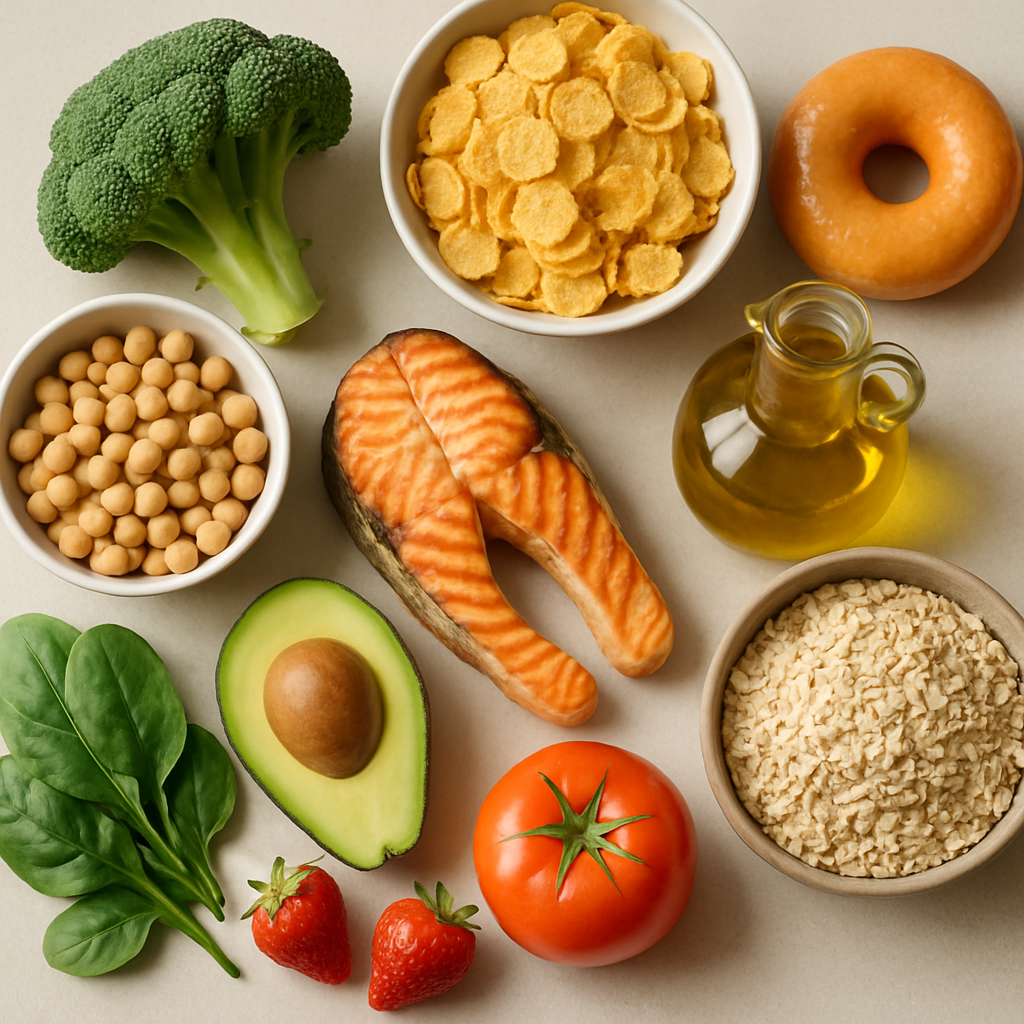
Nutritional displacement matters too. People who eat a lot of UPFs tend to eat less of the foods associated with mental health benefits — oily fish, legumes, leafy vegetables, nuts — simply because UPFs crowd them out of the diet.
A 2022 review published in BMJ Mental Health noted that the consistency of findings across different countries and populations is "striking", while still calling for randomised controlled trials to establish causality more firmly.
Common Misconceptions Worth Unpacking
One pushback you'll often hear is: "Correlation isn't causation — maybe people who are already depressed eat more UPFs?" This is a fair point, and researchers take it seriously.
Many studies in this space now use prospective designs, meaning they record dietary habits before any depression diagnosis occurs, then follow participants forward in time. This approach significantly reduces the risk of reverse causation — the idea that depression itself is driving poor dietary choices rather than the other way around.
Another common misconception is that this research is anti-convenience or anti-affordability. That's not what the data says, and it's not a helpful framing. Many affordable, minimally processed foods exist, and the goal of this research is to understand biology, not to pass judgement on anyone's shopping basket.
It's also worth noting that not all UPFs are created equal. Some processed foods that technically fall under the NOVA ultraprocessed category — like certain plant-based milks or wholegrain crackers — appear in studies with weaker or no associations with depression risk, whereas processed meats and sugary drinks show consistently stronger links.
Why the UK Picture Is Particularly Relevant
The UK has one of the highest rates of UPF consumption in Europe. Research published in PLOS Medicine estimated that UPFs account for around 57% of energy intake for UK adults on average — a figure that rises even higher among younger adults and lower-income households.
At the same time, the UK has documented challenges with mental health at a population level. NHS data consistently shows rising rates of depression and anxiety, particularly following the pandemic.
This doesn't mean UPF consumption is the primary driver of poor mental health — that would be far too simplistic. Mental health is shaped by genetics, life circumstances, relationships, sleep, finances, trauma, and dozens of other factors. But diet is one of the levers that is, to some degree, within reach — and that makes the research worth taking seriously.
The growing field of nutritional psychiatry, championed by researchers including Professor Felice Jacka in Australia and increasingly studied in UK institutions, argues precisely this: that diet is one modifiable risk factor among many, and deserves a seat at the table in mental health conversations.
What the Research Doesn't Mean
It's important to resist the temptation to turn this research into a binary. Eating a packet of crisps is not going to cause depression. The research is about habitual dietary patterns — what someone is eating most of the time, over months and years.
The evidence also doesn't support any kind of elimination anxiety. Stress about food choices can itself be detrimental to wellbeing, and the research doesn't suggest that perfection is the goal. What it does suggest is that the overall balance of someone's diet — how much space minimally processed, whole foods take up relative to UPFs — is what appears to matter.
Practical Takeaways
So what can you actually do with this information?
Look at the overall pattern, not individual meals. If most of what you're eating across the week is coming from packets and ready meals, that's worth noticing — not out of guilt, but because small shifts in the balance can add up.
Add before you subtract. Rather than focusing on removing UPFs, think about what you can add: more legumes, oily fish a couple of times a week, more vegetables, some nuts. These foods appear repeatedly in the research as protective.
Read ingredients, not just labels. A long list of substances you wouldn't find in a kitchen — emulsifiers, stabilisers, flavour compounds — is a reasonable indicator you're looking at a UPF.
Fibre is your friend. The gut microbiome research points consistently to fibre as a key factor in the diet-mood relationship. Beans, lentils, oats, fruits, and vegetables are all good sources and don't need to be expensive.
Plan ahead where you can. Convenience is one of the main reasons UPFs dominate diets — they're quick, accessible, and require no thought. Having a loose plan for the week reduces the moments when you default to the most processed option available.
If you want to shift your diet toward more whole foods without spending hours in the kitchen or on spreadsheets, Macrology generates macro-perfect meal plans in seconds — [https://macrology.app/signin](https://macrology.app/signin)
The research in this space is moving quickly, and the UK is at the centre of it. Keeping an eye on what emerges over the next few years — particularly as randomised trials begin to fill the gaps — will be genuinely interesting.
Want meals like this planned to your exact macros?
Macrology generates a personalised meal plan in seconds — breakfast, lunch, dinner and snacks, all hitting your daily targets.
Start your free 14-day trialMore from news
New Research: What UK Studies Reveal About the Link Between Food Delivery App Usage and Dietary Quality
7 min readNew Research: What UK Studies Reveal About the Link Between Food Environment at Home and Children's Eating Habits
7 min readNew Research: What UK Studies Reveal About the Link Between Cooking Frequency at Home and Overall Diet Quality
7 min read