New Research: What UK Studies Reveal About the Link Between Cooking Frequency at Home and Overall Diet Quality
# New Research: What UK Studies Reveal About the Link Between Cooking Frequency at Home and Overall Diet Quality
Cooking at home sounds like the obvious route to eating well — but is it actually backed by evidence, or is it just something we assume to be true? A growing body of UK-based research has started to give us a much clearer picture, and the findings are more nuanced than a simple "cook more, eat better" message.
Why Home Cooking Has Become a Public Health Talking Point
Over the past decade, home cooking has found itself at the centre of nutrition policy discussions in the UK. Public Health England (now the Office for Health Improvements and Disparities) and various academic institutions have pointed to declining cooking skills and rising reliance on ultra-processed foods as two trends worth paying attention to — and researchers have started to ask whether they're connected.
The interest isn't arbitrary. UK adults now spend less time cooking than they did 30 years ago, according to data from the Office for National Statistics, while the food environment — ready meals, delivery apps, fast food — has expanded enormously. Understanding whether cooking frequency genuinely influences what people eat, and how, has real implications for public health guidance.
What the Evidence Shows
Some of the most compelling UK evidence comes from a 2017 study published in the International Journal of Behavioral Nutrition and Physical Activity, which analysed data from over 11,000 adults as part of the UK Biobank cohort. Researchers found that people who cooked the majority of their meals at home had higher intakes of vegetables, fibre, and key micronutrients, and lower intakes of saturated fat and added sugar compared to those who rarely cooked.
Importantly, this wasn't a small or easily dismissed effect. Those cooking at home most frequently were also less likely to exceed recommended calorie thresholds, though the researchers were careful to note that correlation doesn't confirm causation — people who cook more might differ from those who don't in other meaningful ways.
A separate analysis using data from the National Diet and Nutrition Survey (NDNS), which tracks eating habits across the UK population, found similar patterns. Adults who reported cooking from scratch most days had diet quality scores that were significantly higher than those relying primarily on convenience foods or eating out — even after controlling for income and education level. That last point matters, because it suggests the relationship isn't purely explained by socioeconomic factors.
The Ultra-Processed Food Connection
One of the more striking threads in recent UK research is the link between low cooking frequency and higher consumption of ultra-processed foods (UPFs). UPFs — a category defined by the NOVA classification system and including things like packaged snacks, reconstituted meat products, and many ready meals — have been associated in multiple large studies with poorer health outcomes, including higher risks of cardiovascular disease, type 2 diabetes, and certain cancers.
A 2023 analysis in The BMJ drew on UK Biobank data to show that higher UPF consumption was independently associated with increased all-cause mortality. While that study didn't focus specifically on cooking frequency, it sits alongside research showing that people who cook less tend to rely more heavily on precisely these kinds of products.
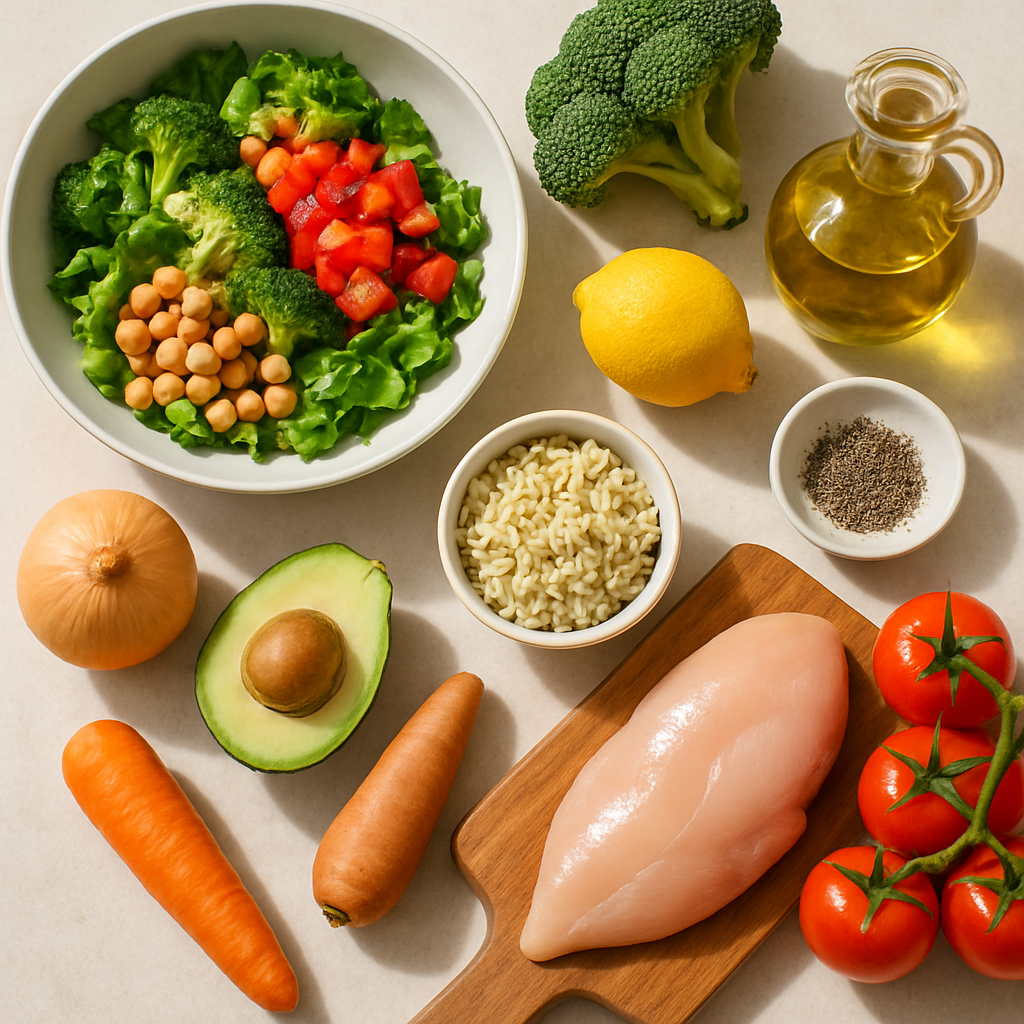
The mechanism here isn't fully understood, but researchers have proposed several explanations: UPFs tend to be more energy-dense, lower in fibre, and engineered in ways that may disrupt normal satiety signals. Cooking from scratch, by contrast, typically involves whole or minimally processed ingredients — vegetables, pulses, grains, proteins — that tend to deliver more nutritional value per calorie.
What the Research Doesn't Say
It's worth being clear about what this evidence doesn't tell us, because the nuance matters.
Cooking at home is not automatically healthier than not cooking. A deep-fried breakfast made at home is still a deep-fried breakfast. A ready meal that meets reasonable nutritional standards can be part of a well-balanced diet. The research consistently points to patterns — people who cook regularly tend to use more whole ingredients and construct more balanced meals overall — rather than some magical property of the home kitchen itself.
There's also a significant equity dimension that the research is increasingly flagging. Time to cook, access to a functioning kitchen, the cost of fresh ingredients, and confidence in the kitchen are not equally distributed across the population. A 2022 report from the Food Foundation highlighted that households in the lowest income decile in the UK spend a far higher proportion of their income on food than wealthier households, and face greater barriers to buying and preparing fresh food. Framing home cooking as a straightforward personal choice ignores this reality.
Cooking Skills, Confidence, and Diet Quality
The relationship between cooking and diet quality isn't just about whether someone cooks — it's also about how they cook and how confident they feel doing it.
Research from the University of Otago, published in Appetite, found that cooking skill and confidence were stronger predictors of diet quality than cooking frequency alone. In practical terms, this means someone who cooks three nights a week and genuinely knows what they're doing nutritionally may have a better diet than someone who cooks every night but defaults to heavily processed sauces, refined carbohydrates, and very little variety.
UK-specific surveys have found that a significant proportion of adults — particularly younger adults — report low confidence in the kitchen, with many relying on a small repertoire of five to ten meals. This has led to calls for cooking education to be more embedded in schools, though the evidence on cooking skills interventions and their long-term impact on diet is still developing.
The Practical Picture for Everyday Life
So where does all of this leave someone who wants to eat reasonably well without turning meal preparation into a second job?
The evidence suggests a few things worth holding onto. Cooking frequency matters, but so does what you cook. Moving from one or two home-cooked meals a week to four or five — particularly meals built around vegetables, protein, and minimally processed ingredients — is associated with measurably better diet quality in population-level data.
Batch cooking and planning appear to be particularly effective strategies. Research on meal planning behaviour in UK adults has found that those who plan their meals ahead of time have higher diet quality scores and lower food waste, independently of income. Planning doesn't require perfection — even a rough idea of what you're eating across the week makes a meaningful difference.
It's also worth recognising that not every meal needs to be made from scratch. Using good quality tinned pulses, frozen vegetables, pre-cooked grains, and simple protein sources can dramatically cut prep time while keeping nutritional quality high. These aren't shortcuts to feel ambivalent about — they're practical tools that the evidence suggests work well in real-world settings.
Practical Takeaways
If you want to act on this research today, here are some concrete starting points:
- Add one more home-cooked meal per week — research suggests even small increases in cooking frequency are associated with better diet quality over time
- Build meals around vegetables and protein first, then add a carbohydrate source — this tends to increase fibre and micronutrient density without requiring complex recipes
- Use frozen and tinned ingredients freely — nutritionally, frozen peas are comparable to fresh, and tinned lentils are just as useful as dried ones you've soaked overnight
- Plan loosely — you don't need a rigid meal plan, but knowing what you're making for three or four evenings ahead dramatically reduces the temptation to default to less nutritious options
- Expand your repertoire gradually — trying one new recipe per fortnight is more sustainable than a complete kitchen overhaul and builds confidence over time
If you want to take the guesswork out of meal planning altogether, Macrology generates macro-perfect meal plans in seconds — https://macrology.app/signin
The evidence is fairly clear that cooking more frequently at home is one of the more reliable levers people have for improving diet quality. But it's not a moral obligation, and it's not the whole story. The how matters as much as the how often — and for most people, small, sustainable shifts in that direction are likely to be far more useful than any dramatic overhaul.
Want meals like this planned to your exact macros?
Macrology generates a personalised meal plan in seconds — breakfast, lunch, dinner and snacks, all hitting your daily targets.
Start your free 14-day trialMore from news
New Research: What UK Studies Reveal About the Link Between Food Delivery App Usage and Dietary Quality
7 min readNew Research: What UK Studies Reveal About the Link Between Food Environment at Home and Children's Eating Habits
7 min readNew Research: What UK Studies Reveal About the Link Between Protein Intake at Breakfast and Appetite Control
8 min read