New Research: What UK Studies Reveal About the Link Between Protein Intake at Breakfast and Appetite Control
# New Research: What UK Studies Reveal About the Link Between Protein Intake at Breakfast and Appetite Control
Most of us have been told at some point that breakfast is the most important meal of the day. But it turns out it's not just whether you eat breakfast — it's what you put in it that makes the difference.
Recent UK-based research is sharpening the picture on how protein at breakfast affects hunger, cravings, and how much you eat for the rest of the day. The findings are worth knowing about.
Why Breakfast Protein Is Getting So Much Attention
Protein has long been recognised as the most satiating macronutrient. It influences appetite through several biological pathways — stimulating the release of satiety hormones like GLP-1 and peptide YY, while suppressing ghrelin, the hormone most closely associated with hunger signals.
What's newer is the growing body of research looking specifically at timing — and whether getting more protein earlier in the day has distinct advantages over spreading it evenly or loading it towards the evening. UK researchers have been at the forefront of this work, drawing on large national datasets and population studies that reflect British eating habits.
The context matters here. UK dietary data consistently shows that most people eat the majority of their protein at dinner, often with relatively low protein intakes at breakfast. That pattern is now being scrutinised.
What the Evidence Shows
One of the most cited pieces of UK research in this area comes from work using data from the National Diet and Nutrition Survey (NDNS), which tracks what people across Britain actually eat. Analysis of this data has found that higher protein intakes at breakfast are associated with better appetite regulation throughout the day — and that people who eat more protein in the morning tend to consume fewer total calories in subsequent meals.
A study published in the British Journal of Nutrition examined how a high-protein breakfast (around 35g of protein) compared to a normal-protein breakfast (around 13g) in terms of appetite control, snacking behaviour, and evening food intake. Participants eating the higher-protein breakfast reported significantly lower hunger scores and reduced cravings — particularly for sweet and savoury snacks — in the hours before dinner.
It's worth noting that much of this research has focused on leucine-rich protein sources — eggs, dairy, and some plant proteins like soya — which appear particularly effective at triggering muscle protein synthesis and satiety signalling. Not all protein sources perform identically in this regard, and the research increasingly points to protein quality as well as quantity.
The Appetite Hormone Mechanism
Understanding why this works helps separate the evidence from the noise. When you eat protein, your gut releases satiety hormones that communicate with your brain — specifically the hypothalamus — to signal fullness. This process takes time, which is partly why protein's effects on appetite tend to be sustained over several hours rather than immediate.
Ghrelin, which rises sharply before meals and drops after eating, is suppressed more effectively by protein than by carbohydrates or fat. UK research has shown that this ghrelin suppression is more pronounced and longer-lasting after a high-protein breakfast compared to a carbohydrate-matched meal of the same calorie content.
There's also a neurological angle. Research from the University of Leeds — one of the UK's leading centres for appetite and obesity research — has explored how protein intake influences dopamine and reward pathways, potentially reducing the drive to seek out highly palatable, energy-dense foods later in the day. This helps explain the reduction in cravings specifically, which isn't simply about feeling full.
Common Misconceptions Worth Addressing
A popular assumption is that any breakfast is better than no breakfast for appetite control. The evidence here is actually more nuanced. Studies have found that a low-protein, high-carbohydrate breakfast — think toast with jam, or a bowl of sugary cereal — can in some cases increase appetite and cravings compared to skipping breakfast entirely, particularly in people who aren't habitually breakfast eaters.
This doesn't mean skipping breakfast is the right move. It does mean the composition of the meal matters more than the act of eating it. A breakfast that's predominantly refined carbohydrates may cause a sharper rise and fall in blood glucose, which can trigger hunger signals earlier and more intensely.
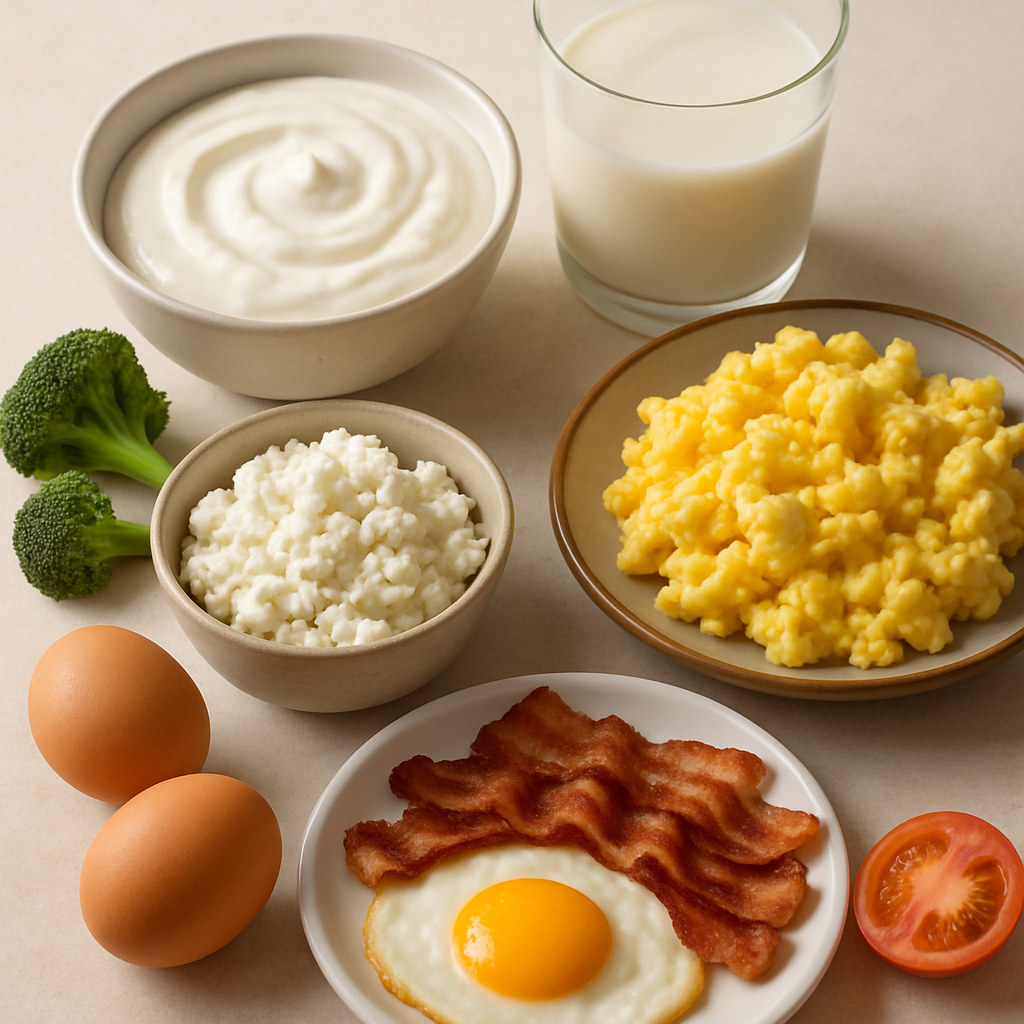
There's also a misconception that you need a large volume of food at breakfast to get these benefits. Research suggests 25–40g of protein at breakfast is where most of the meaningful effects on satiety are observed — and that's achievable without a huge plate of food. Three eggs with some Greek yoghurt, for instance, gets you close to that range without much effort.
What This Looks Like in the UK Context
One challenge the research acknowledges is that traditional British breakfasts don't always lend themselves to high protein intakes. The most commonly eaten breakfasts in the UK — toast, cereal, and porridge — tend to be carbohydrate-led, with modest protein content unless deliberately modified.
This isn't a criticism of those foods. Oats, for example, have genuine nutritional merit and provide around 5g of protein per serving — but that's well short of the threshold associated with significant appetite suppression. The practical takeaway from UK-specific research is that small shifts — adding Greek yoghurt to porridge, including eggs a few mornings a week, or having cottage cheese on toast rather than butter alone — can meaningfully change the protein profile of a meal without overhauling breakfast entirely.
The NHS Eatwell Guide doesn't currently specify protein targets by meal or time of day, so many people are navigating this without much official guidance. That's part of why this emerging research matters — it fills in a gap that broad dietary guidelines don't address.
Who Benefits Most
The appetite-controlling effects of a high-protein breakfast appear to be fairly consistent across the population, but the research does highlight certain groups where the effects are particularly pronounced.
Adolescents and young adults seem to show especially strong responses, possibly because this age group tends to skip breakfast more often or eat lower-quality breakfasts — meaning there's more room for improvement. UK studies focused on this demographic have found notable reductions in afternoon snacking and overall daily energy intake when breakfast protein is increased.
People with higher body weights or insulin resistance may also see stronger satiety benefits from protein-rich breakfasts, based on the hormonal data — though the research in this area is still developing.
Interestingly, habitual breakfast skippers who do introduce a high-protein breakfast don't always see the same benefits immediately. It appears there's an adaptation period, and appetite hormone responses can shift over time as eating patterns change.
Practical Takeaways
The research points to some clear, actionable conclusions — no overhaul required.
Aim for roughly 25–35g of protein at breakfast. This is where the satiety evidence is strongest. It's more than most people currently eat at this meal, but it's not an unrealistic target.
Lean on protein sources with a complete amino acid profile. Eggs, Greek yoghurt, cottage cheese, smoked salmon, and dairy milk all qualify. If you eat plant-based, combining sources — like soya protein with oats — helps hit the same threshold.
Don't ditch carbohydrates at breakfast entirely. The research doesn't support that. It supports adding protein to your morning meal, not removing other food groups. A meal with both protein and complex carbohydrates tends to perform well for sustained energy.
Watch the protein distribution across the day. UK dietary patterns often cluster protein heavily at dinner. Spreading intake more evenly — morning, midday, evening — appears to support both appetite regulation and muscle protein synthesis more effectively than back-loading.
Be realistic about habit change. If your current breakfast takes three minutes to put together, a high-protein version needs to be just as straightforward to stick with. Batch-cooking boiled eggs, keeping Greek yoghurt in the fridge, or using a high-quality protein-enriched product can close the gap without adding complexity.
If you want your meals planned around your protein targets from the very first bite of the day, Macrology generates macro-perfect meal plans in seconds — https://macrology.app/signin
---
The science on breakfast protein and appetite is getting more specific, and UK research is playing a real part in shaping it. The message isn't that breakfast is magic — it's that what you eat in the morning has a measurable, hormone-driven effect on how hungry you feel for the rest of the day. That's a practical insight worth building on.
Want meals like this planned to your exact macros?
Macrology generates a personalised meal plan in seconds — breakfast, lunch, dinner and snacks, all hitting your daily targets.
Start your free 14-day trialMore from news
New Research: What UK Studies Reveal About the Link Between Food Delivery App Usage and Dietary Quality
7 min readNew Research: What UK Studies Reveal About the Link Between Food Environment at Home and Children's Eating Habits
7 min readNew Research: What UK Studies Reveal About the Link Between Cooking Frequency at Home and Overall Diet Quality
7 min read