New Research: What UK Studies Reveal About the Link Between Selenium Intake and Thyroid Function
# New Research: What UK Studies Reveal About the Link Between Selenium Intake and Thyroid Function
Selenium is one of those nutrients that rarely makes the headlines, yet quietly does some of the most important work in your body. Recent UK research is adding fresh detail to a relationship scientists have been piecing together for decades — the connection between how much selenium we eat and how well our thyroid functions.
Why Selenium Matters More Than Most People Realise
The thyroid is a small gland in your neck that regulates metabolism, energy, mood, and a surprising number of other processes. What's less well known is that the thyroid contains more selenium per gram of tissue than almost any other organ in the body.
That's not a coincidence. Selenium is essential for producing the enzymes — called selenoproteins — that convert the thyroid's main hormone (T4) into its active form (T3). Without adequate selenium, that conversion slows down, and the knock-on effects can be significant: fatigue, brain fog, changes in weight regulation, and a less responsive immune system.
For a country like the UK, where selenium intake has been quietly declining for the past four decades, this matters enormously.
The UK's Selenium Problem: A Bit of History
Rewind to the 1970s. The UK imported a large proportion of its wheat from North America — specifically from selenium-rich soils in Canada and the United States. That wheat kept average selenium intakes relatively healthy without anyone needing to think about it.
Then came a shift toward sourcing wheat from European crops, where soils — particularly in the UK itself — are notably low in selenium. By the 1990s, studies were documenting a significant fall in selenium status across the British population.
The UK Reference Nutrient Intake (RNI) for selenium sits at 75 micrograms per day for men and 60 micrograms per day for women. National dietary surveys, including data from the National Diet and Nutrition Survey (NDNS), have consistently shown that a large proportion of UK adults fall short of even these benchmarks — with mean intakes often sitting closer to 50–60 micrograms per day.
What the Evidence Shows
A growing body of UK-based research has been examining what this shortfall actually means for thyroid health in practice.
A notable contribution came from studies linked to the EPIC-Norfolk cohort — a large prospective study following thousands of people in East Anglia over many years. Researchers examining data from this cohort found associations between lower selenium biomarkers (particularly selenoprotein P, the most reliable indicator of selenium status) and markers of thyroid dysfunction, including elevated thyroid peroxidase antibodies (TPO antibodies). Elevated TPO antibodies are a hallmark of Hashimoto's thyroiditis, the most common cause of hypothyroidism in the developed world.
Separate work published in journals including Clinical Endocrinology has explored whether selenium supplementation can meaningfully reduce TPO antibody levels in people with autoimmune thyroid conditions. The results have been genuinely interesting: several randomised controlled trials — many drawing on European populations, including UK participants — found that 200 micrograms of selenomethionine per day reduced TPO antibody levels over three to twelve months compared with placebo.
That said, researchers are careful to note that reduced antibody levels don't automatically translate into symptom improvement, and the evidence on whether supplementation benefits people who are already selenium-sufficient is much weaker. The strongest signal is in people who are genuinely deficient or have an existing autoimmune thyroid condition.
It's also worth flagging that selenium has a relatively narrow therapeutic window. Too little is a problem; too much is also a problem. Chronically high intakes — typically above 400 micrograms per day — can cause selenosis, with symptoms including hair loss, nail brittleness, and neurological effects. This is a useful reminder that "more is better" doesn't apply here.
Selenium, Iodine, and the Thyroid: A Double Act
One nuance that sometimes gets lost in discussion is that selenium doesn't work in isolation. The thyroid needs both selenium and iodine to function well — and the UK has concerns about iodine status too, particularly in people who avoid dairy (a key source of iodine in the British diet).
Research from the University of Surrey and others has highlighted that the two deficiencies can compound each other. Animal studies have shown that correcting selenium alone in iodine-deficient individuals can actually worsen certain thyroid outcomes — because selenoproteins accelerate the clearance of thyroid hormones that the body can't adequately replace without sufficient iodine.
This doesn't mean avoiding selenium-rich foods. It means that thyroid nutrition is genuinely interconnected, and patching one gap while ignoring another may not deliver the results people hope for.
Who Might Be at Greatest Risk?
Certain groups appear more likely to have low selenium status in the UK context:
Vegans and vegetarians tend to have lower selenium intakes because the richest dietary sources — fish, shellfish, meat, and dairy — are animal-based. Plant-based selenium intakes vary enormously depending on where food is grown. UK-grown vegetables and grains tend to be low in selenium due to the soil composition mentioned earlier.
Older adults may absorb selenium less efficiently, and their diets are sometimes lower in the protein-rich foods that carry most of the selenium in a typical UK diet.
People with Hashimoto's or Graves' disease are a population where the research signal is strongest — and where thyroid specialists are increasingly discussing selenium status as part of a broader assessment.
Pregnant women represent another group of interest, as selenium plays a role in foetal development and there is some evidence linking low maternal selenium with postpartum thyroiditis, though this research is still developing.
Practical Ways to Improve Selenium Intake Through Food
The most practical step for most people isn't reaching for a supplement — it's thinking about food sources.
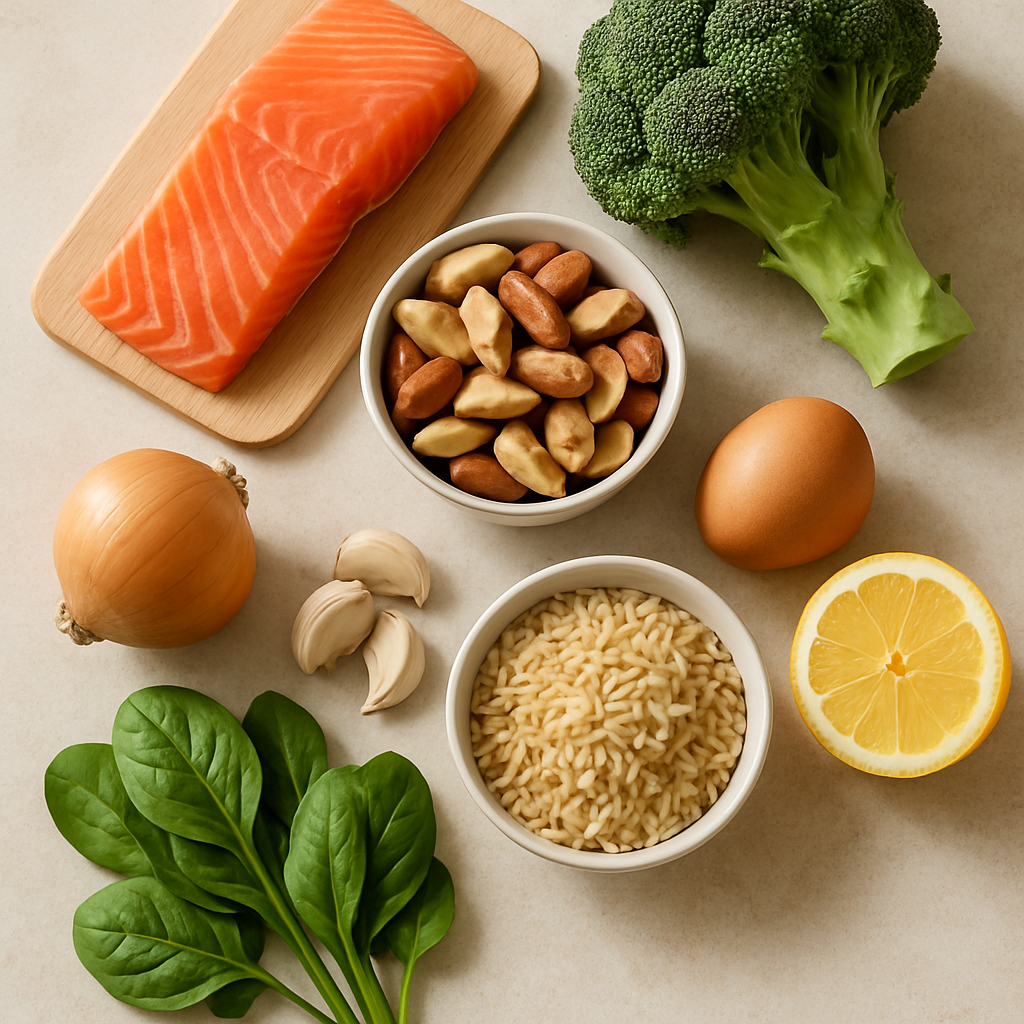
Brazil nuts are the most concentrated dietary source of selenium available, and they're frequently cited in UK dietary guidance. A single Brazil nut can contain anywhere from 50 to 90 micrograms of selenium depending on where it was grown — potentially meeting your daily needs in one go. The caveat is that the selenium content varies so widely that eating large quantities every day isn't advised.
Fish and seafood — particularly tuna, sardines, and prawns — are reliable sources that also bring other nutritional benefits including omega-3 fatty acids and iodine. Two to three portions of fish per week, as recommended by the NHS, will meaningfully contribute to selenium intake.
Eggs are a useful everyday source, particularly for people who don't eat much meat or fish. A medium egg provides roughly 7–12 micrograms of selenium.
Meat, particularly turkey and chicken, also contributes meaningfully. Wholegrain bread and pasta made from enriched or North American wheat can help, though UK-grown options are less reliable on selenium content.
For those considering supplementation, it's worth speaking to a GP or registered dietitian first — especially if you have an existing thyroid condition. Selenomethionine is the form most commonly used in trials and is considered the best-absorbed organic form.
Practical Takeaways
Here's what the current evidence points toward in practical terms:
- Aim to include selenium-rich foods regularly — fish two to three times a week, eggs, and moderate amounts of meat or legumes will cover most people's needs.
- Brazil nuts are useful but don't need to be daily — a few times a week is a sensible habit for plant-based eaters, given the variability in selenium content.
- If you follow a vegan or vegetarian diet, it's worth paying attention to selenium alongside iodine — the two often travel together as a concern for plant-based eaters in the UK.
- Supplementation isn't a default recommendation for the general population, but if you have Hashimoto's or another autoimmune thyroid condition, it's a reasonable conversation to have with your doctor given the weight of trial evidence.
- Don't ignore iodine while addressing selenium — the thyroid needs both, and UK intakes of iodine are also a genuine public health concern.
The emerging picture from UK research is that selenium is neither a magic bullet nor a minor detail. For thyroid health in particular, getting enough — consistently, through food — appears to be genuinely meaningful.
If you want to build a weekly eating plan that supports your nutritional needs without the guesswork, Macrology generates macro-perfect meal plans in seconds — https://macrology.app/signin
Want meals like this planned to your exact macros?
Macrology generates a personalised meal plan in seconds — breakfast, lunch, dinner and snacks, all hitting your daily targets.
Start your free 14-day trialMore from news
New Research: What UK Studies Reveal About the Link Between Food Delivery App Usage and Dietary Quality
7 min readNew Research: What UK Studies Reveal About the Link Between Food Environment at Home and Children's Eating Habits
7 min readNew Research: What UK Studies Reveal About the Link Between Cooking Frequency at Home and Overall Diet Quality
7 min read