New Research: What UK Studies Reveal About the Link Between Dietary Patterns During Pregnancy and Infant Gut Health
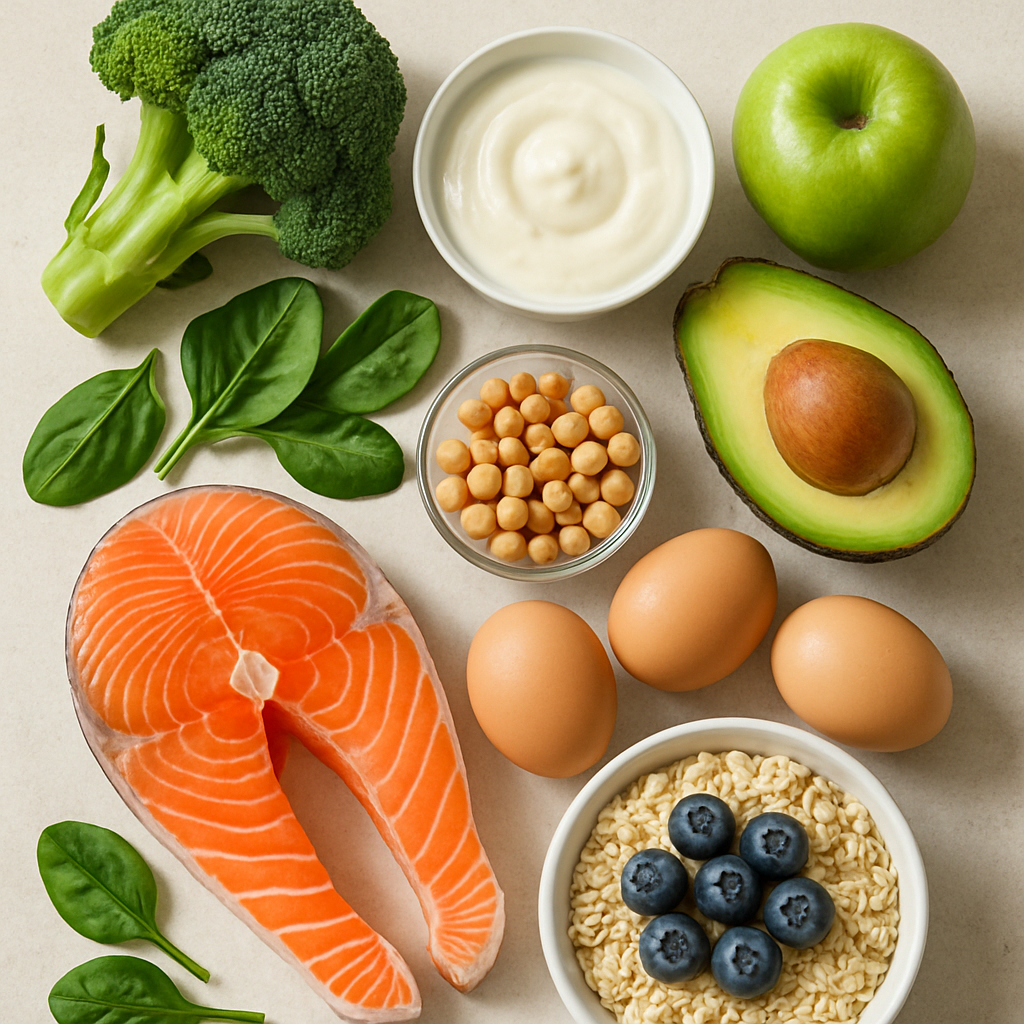
# New Research: What UK Studies Reveal About the Link Between Dietary Patterns During Pregnancy and Infant Gut Health
What you eat during pregnancy shapes more than just your own health — emerging evidence suggests it may help determine the very first microbial community that takes up residence in your baby's gut. That's a remarkable idea, and UK researchers are now producing some of the most detailed work in the world on exactly how this happens.
Why the Infant Gut Microbiome Matters So Much
The gut microbiome — the vast community of bacteria, viruses, and fungi living in the digestive tract — isn't just about digestion. In infants, it plays a foundational role in immune development, metabolic programming, and even early neurological function.
Research increasingly points to the first 1,000 days of life (from conception to around age two) as a critical window. What gets established during this period can have lasting effects on allergy risk, susceptibility to inflammatory conditions, and long-term metabolic health.
The microbiome a baby inherits at birth is not random. It's influenced by the mode of delivery, feeding method, antibiotic exposure, and — crucially — the mother's own gut microbiome during pregnancy. That last factor is where dietary patterns come into the picture.
What the Evidence Shows
Some of the most compelling recent work comes from the CHILD Cohort Study and UK-based research programmes including those linked to the Avon Longitudinal Study of Parents and Children (ALSPAC), based in Bristol, which has tracked thousands of families across decades.
A 2023 study published in Cell Host & Microbe found that maternal gut microbiome diversity during the third trimester was positively associated with infant microbiome richness at birth and at three months. The connection was strongest in vaginally delivered babies, but it was still observable in those born by caesarean — suggesting that mechanisms beyond birth canal transmission are at play, potentially including amniotic fluid, breast milk, and skin-to-skin contact.
UK researchers have also contributed to a growing body of work showing that higher dietary diversity during pregnancy — particularly diets rich in fibre, fermented foods, and plant variety — is associated with greater maternal gut microbiome richness. The logic follows: a more diverse maternal microbiome at the point of delivery creates a more ecologically rich starting point for the infant.
A key review published in Nutrients (2022) drawing on European cohort data, including UK participants, found that maternal adherence to a Mediterranean-style dietary pattern during pregnancy was associated with higher microbial diversity scores in infants at six weeks postpartum. This pattern — emphasising vegetables, legumes, wholegrains, oily fish, and olive oil — wasn't framed as the only way to eat well, but it served as a useful proxy for dietary diversity and fibre intake.
The Fibre Connection
If there's one nutrient that keeps appearing in this research, it's fibre — or more specifically, prebiotic fibre, the kind that feeds beneficial bacteria rather than being absorbed by the body.
Prebiotic fibres (found in foods like oats, leeks, garlic, onions, bananas, and asparagus) selectively feed bacteria like Bifidobacterium and Lactobacillus, which are among the first and most important colonisers of the infant gut. When a pregnant woman's diet is rich in these fibres, it tends to support a maternal gut environment dominated by these beneficial strains.
A study from King's College London, published in Gut Microbes in 2023, found that maternal prebiotic fibre intake in the second trimester was one of the strongest dietary predictors of infant Bifidobacterium abundance at four weeks of age. That matters because Bifidobacterium is closely associated with reduced rates of eczema, colic, and early inflammatory markers in infants.
The UK average fibre intake for adults sits around 18g per day — well below the recommended 30g. For pregnant women, this gap is particularly relevant given the evidence now connecting fibre intake to infant outcomes.
Fermented Foods and Microbial Transfer
Fermented foods have attracted significant research attention in recent years, and pregnancy nutrition is no exception. Foods like live yoghurt, kefir, kimchi, and sauerkraut introduce live bacterial cultures into the maternal gut, temporarily increasing microbial diversity.
A 2021 study from University College London found that pregnant women who regularly consumed fermented dairy products (primarily yoghurt and kefir) had measurably higher levels of Lactobacillus strains in late pregnancy. Their infants showed higher colonisation with these same strains at birth, suggesting a degree of vertical microbial transfer.
It's worth being clear that this research doesn't establish a simple cause-and-effect chain. Correlation isn't causation, and many factors — including genetics, geography, antibiotic use, and socioeconomic conditions — confound these associations. But the consistency of findings across multiple cohorts lends the connection credibility.
Where the Research Is Heading
UK researchers are now exploring more specific questions that could have real clinical implications. One active area is how maternal ultra-processed food (UPF) consumption affects the infant microbiome.
Preliminary data presented at the British Society for Immunology annual conference in 2023 suggested that higher maternal UPF intake during pregnancy was associated with lower Bifidobacterium diversity in infants at eight weeks. The proposed mechanism involves emulsifiers and artificial sweeteners found in UPFs, which some research suggests may disrupt the intestinal lining and alter microbial populations — though this remains an emerging rather than settled area of science.
Another developing strand of research looks at omega-3 fatty acids, particularly DHA from oily fish. UK cohort data suggest that adequate maternal DHA intake may support the production of secretory immunoglobulin A (sIgA) in breast milk, which in turn helps establish a more stable infant gut microbiome in the early months.
These are complex relationships, and science rarely delivers clean answers. What's becoming clearer, though, is that the dietary patterns of a pregnant woman have downstream consequences that go beyond her own nutritional status.
Common Misconceptions Worth Addressing
One misconception is that the infant gut microbiome is entirely determined at birth and can't be influenced beyond that point. In reality, the microbiome remains highly plastic throughout infancy, shaped significantly by breastfeeding, formula composition, the introduction of solid foods, and environmental exposures.
Another is that this research implies pregnant women need to follow a rigid or restrictive dietary regime. It doesn't. Dietary diversity — a wide variety of foods across the main food groups — appears to be the common thread in the most positive outcomes. No single food or supplement has been identified as a silver bullet.
Finally, it's worth acknowledging that eating well during pregnancy is genuinely difficult for many people. Nausea, food aversions, fatigue, cost pressures, and limited access to varied foods are real constraints. The research tells us what might be beneficial in ideal conditions — it doesn't cast judgement on the circumstances in which people are actually living.
Practical Takeaways
The evidence is still developing, but there are practical steps that sit comfortably within current guidance:
- Aim for dietary variety — trying to eat across a wide range of plant foods each week (some researchers suggest 30 different plant foods per week as a rough target) appears to support microbiome diversity
- Prioritise prebiotic-rich foods — oats, garlic, onions, leeks, asparagus, and slightly underripe bananas are all good sources and easy to incorporate into everyday meals
- Include live fermented foods where possible — live yoghurt and kefir are the most accessible options in the UK; check the label for "live cultures"
- Oily fish two to three times a week remains within NHS guidance and supports DHA intake — sardines, mackerel, and salmon are all cost-effective choices
- Don't let perfect be the enemy of good — consistent, varied eating across the week matters more than any single meal or day
If you want help building a nutritionally balanced meal plan during pregnancy, Macrology generates macro-perfect meal plans in seconds — https://macrology.app/signin
---
The science linking maternal diet to infant gut health is moving quickly, and UK research is at the forefront of it. What's clear already is that the foundations of a child's gut health aren't laid at weaning or at birth — they begin to form much earlier than most people realise.
Want meals like this planned to your exact macros?
Macrology generates a personalised meal plan in seconds — breakfast, lunch, dinner and snacks, all hitting your daily targets.
Start your free 14-day trialMore from news
New Research: What UK Studies Reveal About the Link Between Food Delivery App Usage and Dietary Quality
7 min readNew Research: What UK Studies Reveal About the Link Between Food Environment at Home and Children's Eating Habits
7 min readNew Research: What UK Studies Reveal About the Link Between Cooking Frequency at Home and Overall Diet Quality
7 min read