New Research: What UK Studies Reveal About the Link Between Vitamin K Intake and Bone Density
# New Research: What UK Studies Reveal About the Link Between Vitamin K Intake and Bone Density
There are around 500,000 fragility fractures in the UK every year — many of them preventable. While calcium and vitamin D get most of the attention when it comes to bone health, a quieter body of evidence has been building around a nutrient that rarely makes the headlines: vitamin K.
Recent UK-based research is adding new weight to the idea that vitamin K — particularly in its two main forms, K1 and K2 — plays a meaningful role in maintaining bone density as we age. Here's what the science actually says, and what it might mean for your diet.
What Is Vitamin K, and Why Does It Matter for Bones?
Vitamin K is a fat-soluble vitamin that most people associate with blood clotting. That's accurate — but it's only half the story.
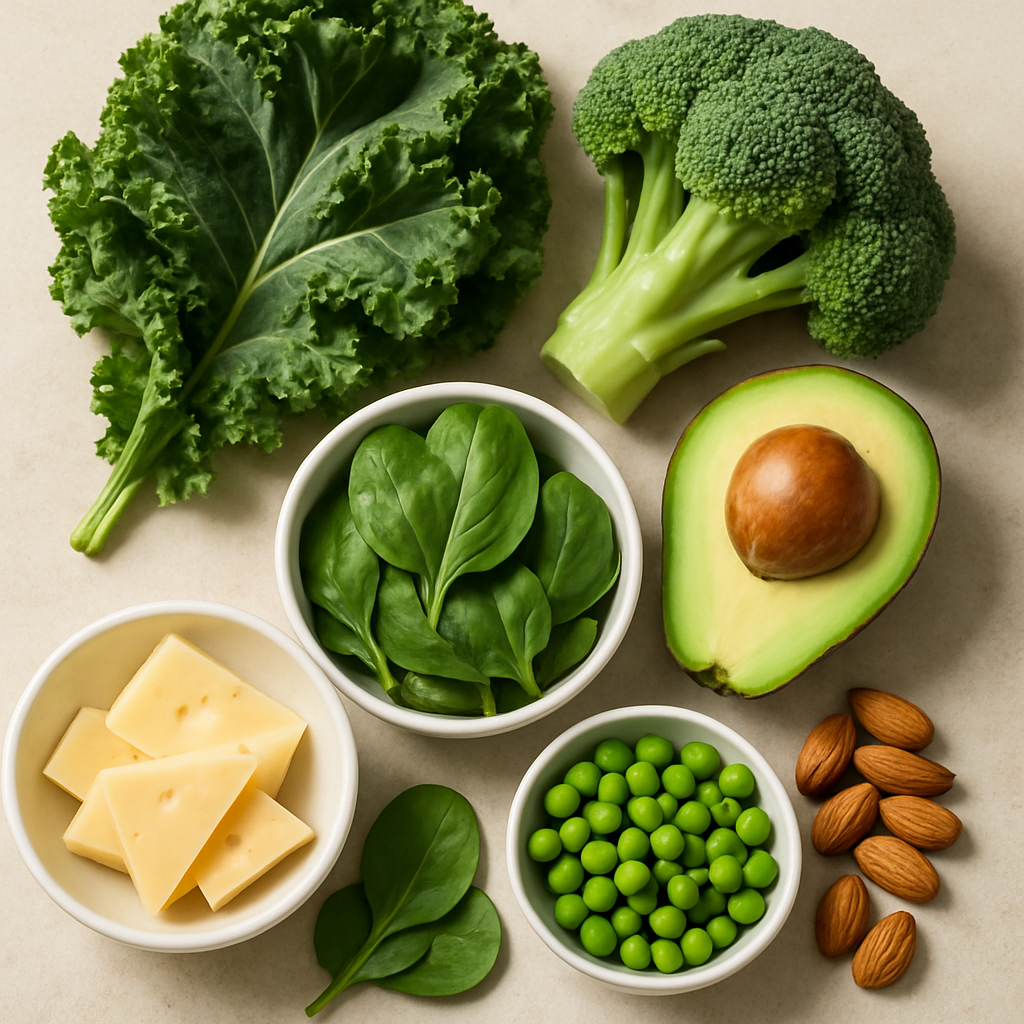
There are two main dietary forms. Vitamin K1 (phylloquinone) is found primarily in green leafy vegetables like kale, spinach, and broccoli. Vitamin K2 (menaquinone) is found in fermented foods, some cheeses, egg yolks, and meat. The two forms behave differently in the body and appear to have distinct effects on bone metabolism.
The bone connection comes down to a protein called osteocalcin. This protein, produced by bone-building cells called osteoblasts, requires vitamin K to become "activated." Without adequate vitamin K, osteocalcin remains in an undercarboxylated form — essentially switched off — and can't do its job of binding calcium into bone tissue properly. This is the biological mechanism that's driven much of the recent research interest.
What the Evidence Shows
The most significant UK-based contribution to this area comes from the EPIC-Oxford cohort study, one of the largest nutritional studies ever conducted in Britain. Data from this cohort, published over several years, have consistently shown an association between higher vitamin K1 intake and reduced risk of hip fracture — one of the most clinically serious fracture sites in older adults.
A notable analysis published in the British Journal of Nutrition found that women with the highest dietary vitamin K1 intakes had a significantly lower risk of hip fracture compared to those with the lowest intakes, even after adjusting for other lifestyle and dietary factors. This wasn't a small difference — the risk reduction was in the region of 30%, which is clinically meaningful.
Separately, work from the MRC Epidemiology Unit and researchers at the University of Cambridge has explored the relationship between circulating levels of undercarboxylated osteocalcin — that "switched off" form — and bone mineral density in older UK adults. Higher levels of undercarboxylated osteocalcin (a marker of poor vitamin K status) were associated with lower bone density at the hip and spine.
It's worth being clear about limitations here. Most of this evidence is observational, meaning we can identify associations but can't always prove causation. Randomised controlled trials on vitamin K and fracture outcomes have produced mixed results, particularly for supplements. The picture is more consistently positive for dietary intake of vitamin K from food sources than for supplementation.
K1 vs K2: Does the Form Matter?
This is where the research gets more nuanced. Most UK dietary studies have focused on K1 because it's far more abundant in the typical British diet. However, there's growing interest in K2 — particularly a subtype called MK-7 (menaquinone-7) — because it has a much longer half-life in the body and appears to remain active in tissues like bone for longer.
Some European trials — particularly from the Netherlands and Japan, where fermented soy products rich in K2 are more commonly consumed — suggest that MK-7 supplementation may improve bone mineral density and bone strength markers in postmenopausal women. However, these studies are largely from populations with different baseline diets, and the evidence hasn't been replicated as robustly in UK populations.
The honest answer is that both forms likely contribute to bone health through the same underlying mechanism, and focusing on increasing overall vitamin K intake through diet is a reasonable and practical approach regardless of the form.
Who Is at Greatest Risk of Low Vitamin K Intake in the UK?
National dietary surveys, including data from the National Diet and Nutrition Survey (NDNS), suggest that while outright deficiency is rare, a significant proportion of the UK population — particularly older adults — falls below optimal intake levels for bone health.
Several groups are worth noting. Older adults tend to eat fewer green vegetables and are more likely to be on medications like warfarin, which directly interferes with vitamin K activity. People with digestive conditions such as Crohn's disease or coeliac disease may absorb fat-soluble vitamins less efficiently, including vitamin K. And people who have undergone bariatric surgery are at higher risk of multiple micronutrient insufficiencies, vitamin K included.
Postmenopausal women are also a key group to consider. Oestrogen decline accelerates bone loss after the menopause, and there's some evidence suggesting that adequate vitamin K status may partially offset some of this effect — though it's not a replacement for clinical management where that's indicated.
How Much Do You Actually Need?
The UK Reference Nutrient Intake (RNI) for vitamin K is 1 microgram per kilogram of body weight per day — so roughly 60–80 micrograms for most adults. For context, a 100g serving of kale contains around 700 micrograms of K1. Even a portion of spinach, broccoli, or spring greens will get most people well above the basic reference figure.
However, some researchers argue that the RNI was set primarily with blood clotting in mind, and that the threshold for optimising bone health may be somewhat higher — potentially in the range of 100–200 micrograms per day. This is an active area of debate, and the evidence isn't yet strong enough to warrant a formal revision of UK dietary guidelines, but it does suggest that people who eat very few green vegetables may be missing out on benefits that go beyond what current thresholds capture.
If you're not eating much in the way of leafy greens, fermented foods, or eggs, it's worth knowing that small, consistent increases in those foods are more likely to move the needle than any single superfood.
Practical Takeaways
Getting more vitamin K through food is genuinely straightforward compared to many dietary changes. A few specific things worth knowing:
Pair vitamin K-rich foods with fat. Vitamin K is fat-soluble, which means it's absorbed much better when eaten alongside a source of fat. Dressing your spinach salad with olive oil, or eating broccoli with a meal that includes some protein and fat, makes a real practical difference to how much you absorb.
Don't overlook fermented dairy. Hard cheeses — particularly aged varieties like Gouda, Edam, and Cheddar — are among the more accessible UK sources of K2. They're not the most glamorous nutrition story, but they're easy to incorporate consistently.
Consistency beats intensity. Vitamin K isn't stored in large amounts in the body compared to vitamins A, D, or E, so regular daily intake matters more than eating an enormous portion once a week.
If you take warfarin, speak to your GP first. Warfarin works by blocking vitamin K activity, and suddenly increasing your intake can interfere with anticoagulation therapy. This doesn't mean avoiding vitamin K — it means keeping your intake consistent and having the conversation with your doctor.
Consider the whole picture. Vitamin K works alongside calcium, vitamin D, magnesium, and protein to support bone health. No single nutrient is a magic fix, and the evidence is strongest when diet is considered as a whole rather than through a single-nutrient lens.
If you want to make sure your daily meals are actually hitting the right nutritional targets — including fat-soluble vitamins like K — Macrology generates macro-perfect meal plans in seconds: https://macrology.app/signin
The research on vitamin K and bone density is still evolving, but the direction of travel is consistent: this is a nutrient worth paying attention to, and the most effective way to get more of it remains, as ever, through a varied diet built around real food.
Want meals like this planned to your exact macros?
Macrology generates a personalised meal plan in seconds — breakfast, lunch, dinner and snacks, all hitting your daily targets.
Start your free 14-day trialMore from news
New Research: What UK Studies Reveal About the Link Between Food Delivery App Usage and Dietary Quality
7 min readNew Research: What UK Studies Reveal About the Link Between Food Environment at Home and Children's Eating Habits
7 min readNew Research: What UK Studies Reveal About the Link Between Cooking Frequency at Home and Overall Diet Quality
7 min read