New Research: What UK Studies Reveal About the Link Between Red Meat Consumption and Cardiovascular Health
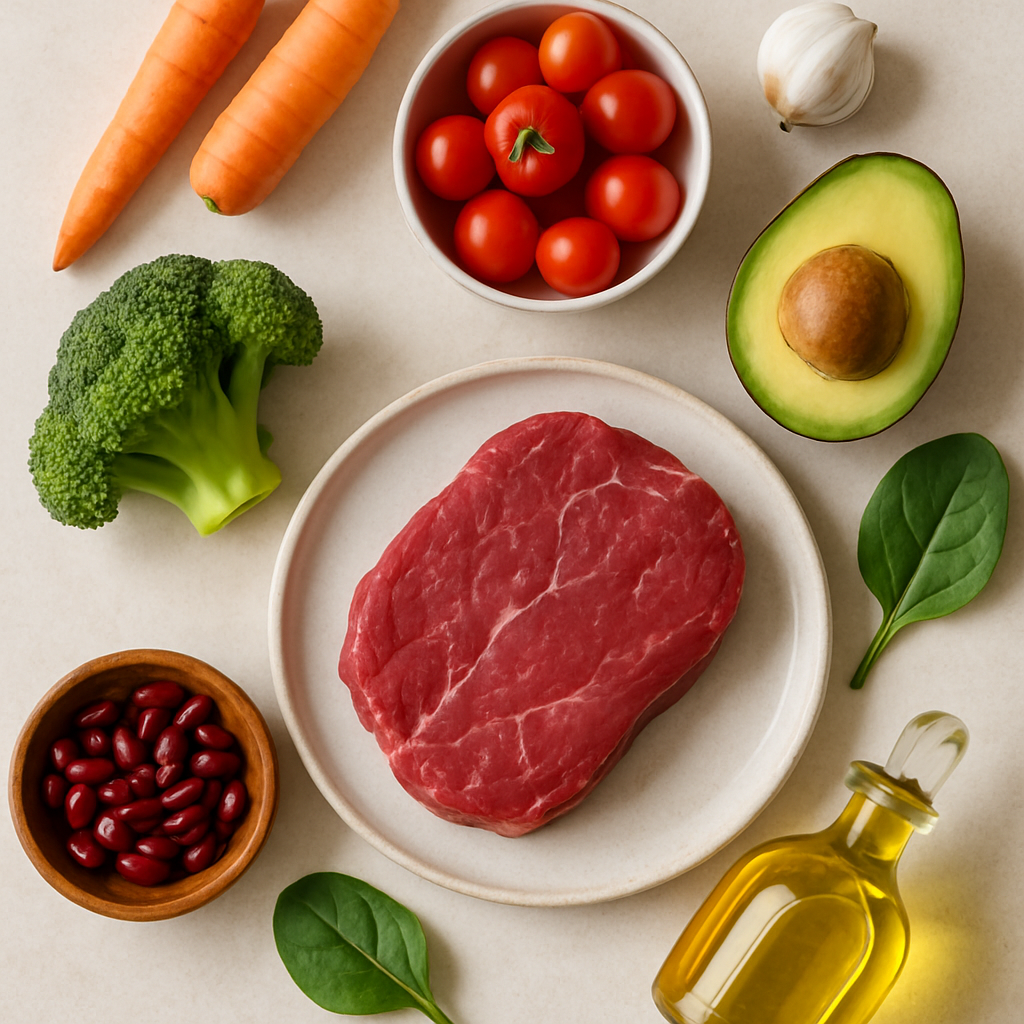
# New Research: What UK Studies Reveal About the Link Between Red Meat Consumption and Cardiovascular Health
Red meat has been a staple of British diets for centuries — from the Sunday roast to the classic bacon sarnie. But over the past few decades, it's also become one of the most debated foods in nutrition science, with headlines swinging between alarm and reassurance depending on the week.
So what does the evidence actually say, and what are UK-based researchers specifically finding? Let's cut through the noise.
---
Why UK Research Matters Here
Most nutrition headlines you'll see are drawn from large American or European cohort studies, which don't always translate directly to UK eating habits, food processing standards, or healthcare contexts.
The UK has some of the world's most valuable research assets in this space — most notably the UK Biobank, a long-term study tracking the health of around 500,000 participants. This makes it possible to look at red meat consumption patterns specific to British diets and follow outcomes over time with a level of statistical power that smaller studies simply can't match.
UK researchers can also account for factors like NHS healthcare access, British food labelling regulations, and the particular ways red meat tends to be consumed here — often alongside high amounts of processed accompaniments like white bread, butter, and salt.
---
The Difference Between Processed and Unprocessed Red Meat
Before diving into the findings, it's worth making a distinction that the research consistently highlights: processed and unprocessed red meat are not the same thing, and lumping them together obscures a lot.
Unprocessed red meat includes beef, lamb, pork, and venison in their natural state — a grilled steak, a lamb chop, a slow-cooked shoulder. Processed red meat refers to products that have been cured, smoked, salted, fermented, or otherwise preserved — think bacon, sausages, ham, salami, and most deli meats.
This distinction matters because the cardiovascular risk profiles differ. The sodium content, nitrites used in curing, and the overall processing methods in products like bacon and hot dogs appear to carry independent risks that go beyond the meat itself.
---
What the Evidence Shows
A landmark analysis using UK Biobank data, published in BMC Medicine, examined over 19,000 cases of cardiovascular disease among participants and found that higher consumption of processed meat was associated with a greater risk of cardiovascular disease, including ischaemic heart disease and stroke. Unprocessed red meat showed a more modest association, and some analyses suggested a non-linear relationship — meaning moderate consumption appeared to carry less risk than very high intake, but the picture wasn't simply "more is worse."
Separately, research published in PLOS Medicine using European cohort data (including UK participants) found that replacing processed meat with other protein sources — including legumes, poultry, or fish — was associated with lower cardiovascular risk. Crucially, the researchers noted that the quality of the overall dietary pattern mattered as much as any single food.
A more recent 2023 study from researchers at the University of Oxford, again drawing on Biobank data, reinforced that the strongest signal in the data points to processed meat as the category most consistently linked to poorer cardiovascular outcomes. Unprocessed red meat showed a weaker and less consistent association once researchers adjusted for lifestyle confounders like smoking, physical activity, and alcohol intake.
---
Why the Headlines Don't Always Reflect the Nuance
If you've seen headlines declaring "red meat causes heart disease" followed a month later by "red meat is fine in moderation," you're witnessing the challenge of communicating observational research to a general audience.
The studies involved are overwhelmingly observational — they track what people eat and what health outcomes follow, but they cannot prove causation. People who eat large amounts of processed red meat also tend to have other dietary and lifestyle patterns that carry cardiovascular risk. Separating the effect of the meat itself from everything else a person eats and does is genuinely difficult.
There's also publication bias and media amplification to contend with. Studies showing dramatic associations get more press than those showing null results. And food frequency questionnaires — the standard tool for measuring diet in large cohort studies — rely on people accurately remembering and reporting what they ate, which introduces its own limitations.
None of this means the research is wrong or useless. It means the appropriate response is not panic or dismissal, but a calibrated reading of where the evidence actually points.
---
What About Saturated Fat?
For years, the primary mechanism linking red meat to cardiovascular disease was assumed to be saturated fat — the reasoning being that saturated fat raises LDL cholesterol, which in turn raises heart disease risk. This was the backbone of decades of dietary guidance.
The science here has become more complicated. More recent research suggests that the relationship between saturated fat and cardiovascular outcomes is influenced heavily by what replaces it in the diet. Swapping saturated fat for refined carbohydrates, for instance, doesn't appear to improve cardiovascular risk. Swapping it for unsaturated fats from sources like olive oil or nuts does appear to be beneficial.
There's also growing interest in other compounds in red meat — including haem iron, L-carnitine, and the way gut bacteria metabolise these compounds into trimethylamine N-oxide (TMAO) — as potential contributing factors. The saturated fat story is probably incomplete rather than wrong.
---
Red Meat in the Context of a Broader Diet
One thing the evidence consistently supports is the idea that no single food makes or breaks cardiovascular health. The overall dietary pattern — the ratio of vegetables, fibre, whole grains, processed foods, and yes, animal proteins — is what the data most reliably points to as predictive of cardiovascular outcomes.
The Mediterranean dietary pattern, which does include some red meat but emphasises vegetables, legumes, fish, and olive oil, has the strongest evidence base for cardiovascular protection of any dietary pattern studied. The takeaway isn't "remove red meat" — it's "consider the whole plate."
UK dietary guidelines currently suggest keeping processed meat and red meat to no more than 70g per day combined (roughly equivalent to two to three rashers of bacon or a small burger). This is a reasonable, evidence-informed position — not a prohibition, but a context.
---
Practical Takeaways
Here's what the research actually gives you to work with:
- Processed meat carries a more consistent cardiovascular risk signal than unprocessed red meat. If you're looking at where to make adjustments, that's the place to start — not necessarily your Sunday roast.
- Moderate unprocessed red meat consumption (around 2–3 portions per week) does not appear to carry significant cardiovascular risk in the context of an otherwise varied diet. High daily intake is where the associations strengthen.
- The quality of your overall dietary pattern matters more than any individual food. A diet rich in vegetables, fibre, legumes, and unsaturated fats provides a protective context regardless of whether it includes some red meat.
- If you eat processed meat regularly, experimenting with plant-based proteins, eggs, fish, or poultry a few times per week is a practical, evidence-supported swap — not because processed meat is "bad", but because the variety itself is nutritionally useful.
- Pay attention to how red meat is prepared and what it's served with. A grilled lean beef stir-fry with vegetables carries a very different nutritional profile to processed sausages with white bread and butter.
The goal isn't a rigid rule — it's informed eating that fits your life, your preferences, and your health context.
---
If you want a meal plan that puts this kind of nutritional balance into practice without the mental overhead, Macrology generates macro-perfect meal plans in seconds — https://macrology.app/signin
Want meals like this planned to your exact macros?
Macrology generates a personalised meal plan in seconds — breakfast, lunch, dinner and snacks, all hitting your daily targets.
Start your free 14-day trialMore from news
New Research: What UK Studies Reveal About the Link Between Food Delivery App Usage and Dietary Quality
7 min readNew Research: What UK Studies Reveal About the Link Between Food Environment at Home and Children's Eating Habits
7 min readNew Research: What UK Studies Reveal About the Link Between Cooking Frequency at Home and Overall Diet Quality
7 min read