New Research: What UK Studies Reveal About the Link Between Breakfast Composition and Morning Energy Levels
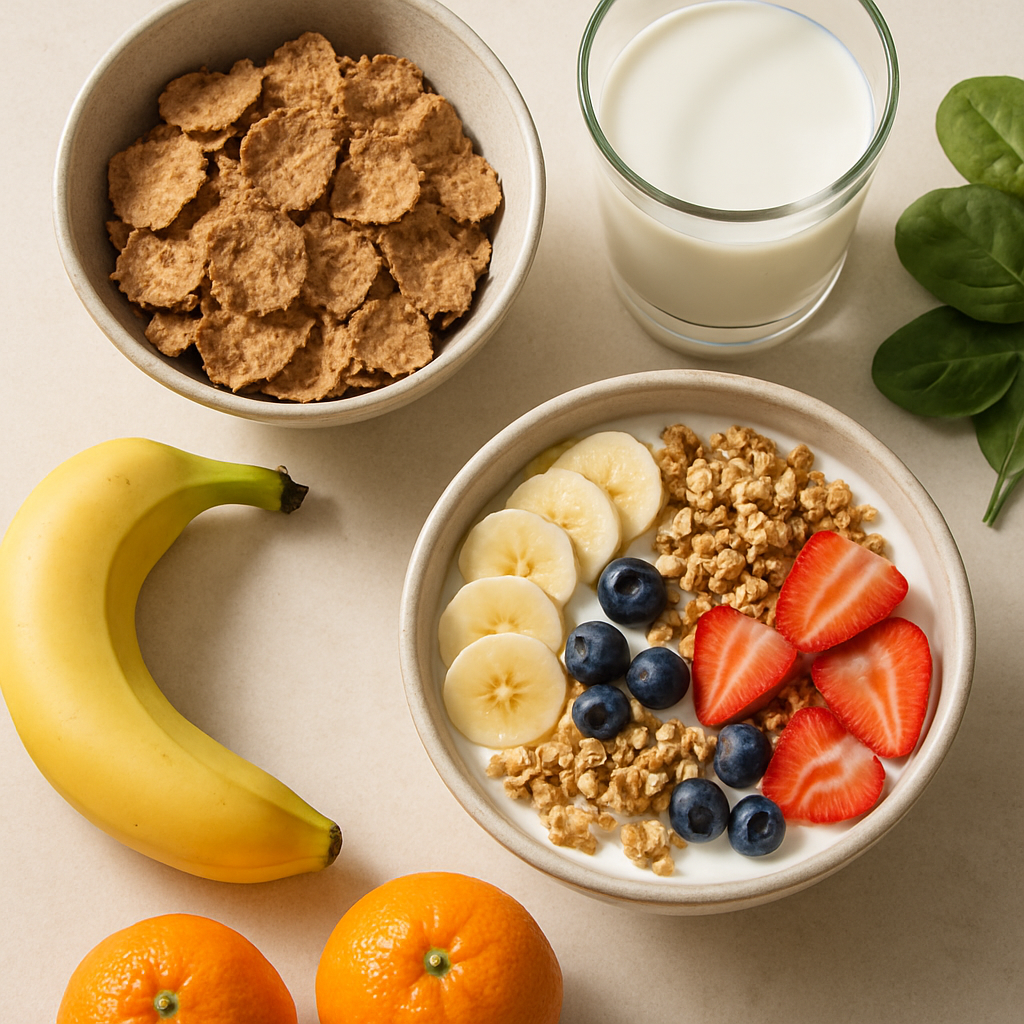
# New Research: What UK Studies Reveal About the Link Between Breakfast Composition and Morning Energy Levels
Most of us have been told at some point that breakfast is the most important meal of the day. But what if the real question isn't whether you eat breakfast — it's what you eat?
Recent UK-based research is starting to answer that question with more precision than ever before, and the findings are worth paying attention to.
What the Research Says
A growing body of UK research has been examining how the macronutrient composition of breakfast — the balance of protein, carbohydrates, fat, and fibre — affects how we feel and function during the morning hours.
One of the most significant contributions has come from the British Nutrition Foundation and researchers at institutions including the University of Leeds and Imperial College London. Their work consistently points to one conclusion: it's not just the presence of breakfast that matters, but its nutritional make-up.
A 2023 study published in the journal Nutrients, involving UK participants, found that breakfasts high in protein and fibre were associated with better sustained attention and lower self-reported fatigue through the mid-morning period compared to high-sugar, low-fibre breakfasts. The effect was particularly pronounced in people who had moderate to long commutes — a very British detail that adds useful real-world context.
The Blood Sugar Connection
To understand why breakfast composition matters, it helps to understand what happens to blood glucose after you eat.
When you consume a breakfast dominated by refined carbohydrates — white toast, sugary cereal, a pastry on the go — your blood glucose rises quickly. Your body responds by releasing insulin to bring it back down. The problem is that this process can overshoot, leaving blood glucose lower than it was before you ate. That dip is what many people experience as the "mid-morning slump": difficulty concentrating, irritability, and a craving for something sweet.
Protein and fibre slow the absorption of glucose from the gut, which flattens this curve considerably. Instead of a spike and crash, you get a more gradual rise and fall — and the energy levels that come with that tend to feel much more stable.
This isn't a fringe theory. It's well-established physiology, backed by decades of research including glucose monitoring studies conducted right here in the UK, some of which have used continuous glucose monitoring (CGM) technology to track real responses in real people eating real food.
Why Protein Deserves Particular Attention
Protein at breakfast does something that carbohydrates largely don't: it promotes the release of satiety hormones, particularly peptide YY (PYY) and GLP-1, which signal to the brain that you're full and satisfied. This effect can last for several hours.
Research from the University of Surrey found that participants who consumed a higher-protein breakfast — around 25–30g of protein — reported significantly lower hunger ratings at lunchtime compared to those eating a standard lower-protein breakfast of similar calories. They also made less impulsive food choices later in the day.
There's also evidence linking protein intake at breakfast to improved cognitive performance. A 2022 review in Frontiers in Nutrition noted that amino acids from dietary protein are precursors to neurotransmitters like dopamine and serotonin — both of which play a role in alertness, motivation, and mood. Getting a meaningful amount of protein early in the day may help prime that system.
The Fibre Factor
Fibre often gets overshadowed in breakfast conversations, but UK research is highlighting its role more clearly now. The average UK adult consumes only around 19g of fibre per day — well below the recommended 30g. Breakfast is an underused opportunity to close that gap.
Soluble fibre, found in oats, pulses, and fruit, forms a gel-like substance in the digestive tract that slows digestion and feeds beneficial gut bacteria. This has implications not just for gut health but for energy levels — emerging research from the Quadram Institute in Norwich, one of the UK's leading food and health research centres, suggests that the gut microbiome interacts with energy metabolism in ways we're only beginning to understand.
A study from King's College London, part of the PREDICT project — one of the world's largest nutrition science studies — found that the same food could produce dramatically different glucose responses in different people, partly due to individual differences in gut bacteria. This suggests that while general fibre advice is sound, personal variation matters more than previously thought.
Common Misconceptions
It's worth addressing a few things that often come up in breakfast conversations.
"Skipping breakfast is bad for you." The evidence here is more nuanced than the headline suggests. Some people genuinely don't feel hungry in the morning, and forcing food when you're not hungry doesn't automatically confer health benefits. What the research does suggest is that if you eat breakfast, making it nutritionally balanced rather than carbohydrate-heavy appears to improve energy and concentration. The timing is less important than the composition.
"Cereal is a healthy breakfast." Many UK breakfast cereals marketed as healthy contain surprisingly high amounts of added sugar and very little protein. A well-known brand's "high-fibre" bran flakes, for example, contains around 22g of sugar per 100g. Reading the label rather than the front-of-pack claim is always worth doing.
"Fat at breakfast is problematic." Dietary fat doesn't spike blood sugar, and healthy fats from sources like eggs, nuts, and full-fat yoghurt contribute to satiety and slow glucose absorption. The fear of fat at breakfast largely stems from outdated nutritional thinking from the 1980s and 90s.
What This Means in Practice
So what does a breakfast that actually supports morning energy look like? Research points to a few reliable principles.
Aim for 20–30g of protein. This could come from eggs, Greek yoghurt, cottage cheese, smoked salmon, or a protein-enriched porridge. It doesn't have to be complicated or time-consuming.
Include fibre from whole food sources. Oats are an excellent choice — they contain beta-glucan, a soluble fibre with strong evidence behind it for glucose management. Adding berries, ground flaxseed, or a handful of nuts boosts fibre further without requiring any extra cooking.
Be selective about carbohydrates rather than avoiding them. Whole grain sources, legumes, and fruit all provide carbohydrates alongside fibre and other nutrients. The goal isn't low-carb; it's slower-releasing carbohydrate in combination with protein and fat.
Watch the liquid calories. Fruit juice, flavoured coffees, and smoothies can carry a significant sugar load that's easy to overlook. A glass of orange juice contains as much sugar as a can of fizzy drink — and without the fibre of the whole fruit, it hits the bloodstream quickly.
Practical Takeaways
Here's what you can act on right now, without overhauling your entire morning:
- Swap sugary cereal for porridge made with milk rather than water, topped with a spoonful of nut butter and some berries — this alone adds protein, fat, and fibre while reducing the sugar spike.
- Add an egg alongside whatever you're already eating. Two eggs add around 12g of protein with minimal prep time.
- If you have Greek yoghurt, choose the full-fat, plain variety rather than flavoured low-fat versions, which tend to be higher in sugar.
- Try overnight oats if mornings are rushed — they take two minutes to prepare the night before and tick the protein, fibre, and slow-release carbohydrate boxes in one go.
- Don't obsess over timing, but do think about composition. A balanced breakfast eaten at 9am after a gentle start is likely to serve you better than a sugary one eaten at 7am.
If you want to hit your protein and fibre targets without spending half your morning thinking about it, Macrology generates macro-perfect meal plans in seconds — [https://macrology.app/signin](https://macrology.app/signin)
The science on breakfast is evolving, and UK researchers are doing genuinely interesting work in this space. The clearest message from that work so far: what's on your plate matters more than whether you're a "breakfast person" or not.
Want meals like this planned to your exact macros?
Macrology generates a personalised meal plan in seconds — breakfast, lunch, dinner and snacks, all hitting your daily targets.
Start your free 14-day trialMore from news
New Research: What UK Studies Reveal About the Link Between Food Delivery App Usage and Dietary Quality
7 min readNew Research: What UK Studies Reveal About the Link Between Food Environment at Home and Children's Eating Habits
7 min readNew Research: What UK Studies Reveal About the Link Between Cooking Frequency at Home and Overall Diet Quality
7 min read