New Research: What UK Studies Reveal About the Link Between Zinc Intake and Immune Resilience in Older Adults
# New Research: What UK Studies Reveal About the Link Between Zinc Intake and Immune Resilience in Older Adults
There's a quiet nutritional shortfall happening in millions of British households — and most people over 65 have no idea it's affecting them. Zinc, one of the body's most underappreciated minerals, is turning out to be far more central to immune function in older adults than previously understood, and UK research is starting to make that case compellingly.
Why Zinc Matters More Than Most People Realise
Zinc isn't a glamorous nutrient. It rarely makes headlines the way vitamin D or omega-3s do. But behind the scenes, it's involved in over 300 enzymatic reactions in the body, including the development and activation of immune cells, the regulation of inflammation, and the healing of tissue.
When zinc levels fall — even modestly — the immune system is one of the first systems to feel it. The production of T-cells and natural killer cells slows down, inflammatory responses become harder to regulate, and the body's ability to mount a defence against infection weakens. This isn't theoretical: it's been documented consistently across decades of immunological research.
For older adults specifically, this matters enormously. The immune system already undergoes a natural decline with age — a process researchers call immunosenescence — and zinc deficiency appears to accelerate it.
The UK Picture: Who's Actually Getting Enough?
Data from the National Diet and Nutrition Survey (NDNS), the most comprehensive rolling dietary survey in the UK, paints a concerning picture. Adults aged 65 and over consistently show lower zinc intakes compared to younger age groups, with a notable proportion falling below the Reference Nutrient Intake (RNI) of 9.5 mg/day for men and 7 mg/day for women.
The reasons aren't surprising once you know them. Older adults often eat less overall — appetite naturally decreases with age. Red meat, shellfish, and legumes are among the richest dietary sources of zinc, and these foods tend to feature less prominently in the diets of people who live alone, have limited mobility, or are on fixed incomes.
There's also a biological complication: zinc absorption becomes less efficient as we age. Even when older adults are eating reasonable amounts of zinc-containing foods, their bodies may be extracting less of it. This means the gap between intake and actual zinc status can be wider than dietary records alone would suggest.
What the Evidence Shows
Recent years have seen a meaningful uptick in UK-focused research on zinc and immunity in ageing populations. A study published in researchers at the University of Sheffield examined zinc status in community-dwelling older adults and found a significant association between suboptimal zinc levels and markers of chronic low-grade inflammation — often referred to as "inflammageing" — a persistent, low-level inflammatory state now linked to a range of age-related conditions including cardiovascular disease, cognitive decline, and increased susceptibility to infection.
Separately, research supported by the Medical Research Council (MRC) has explored how zinc interacts with the thymus gland — the organ responsible for producing T-cells. The thymus shrinks significantly after puberty and continues to diminish throughout life, but zinc appears to play a role in preserving its residual function in older adults. When zinc is adequate, thymic output — the production of new immune cells — holds up better than in states of deficiency.
A systematic review published in Nutrients in 2022, which included data from European populations with demographics comparable to the UK, found that zinc supplementation in older adults led to measurable reductions in the incidence of respiratory infections and shorter illness duration. The effect sizes were modest but consistent, which in evidence terms is often more meaningful than a dramatic result that fails to replicate.
It's worth noting that the research isn't unanimously positive. Some trials have found no significant benefit from supplementation, particularly when participants were already zinc-replete. This is a recurring theme in micronutrient science: supplementation tends to help most when there's an underlying insufficiency, and least when levels are already adequate.
Common Misconceptions Worth Clearing Up
One persistent myth is that zinc deficiency is something that only happens in low-income countries or in cases of severe malnutrition. In reality, marginal zinc deficiency — where levels are low enough to impair function but not low enough to trigger obvious clinical symptoms — is remarkably common in high-income countries, including the UK, particularly among older populations.
Another misconception is that a standard multivitamin will reliably cover zinc needs. Many multivitamins contain zinc, but the amounts vary considerably between products, and the form of zinc used affects how well it's absorbed. Zinc gluconate and zinc citrate tend to have better bioavailability than zinc oxide, which is commonly used in cheaper supplements. Reading the label properly actually matters here.
There's also a tendency to assume that because the symptoms of mild zinc insufficiency are vague — slightly slower wound healing, a sense of being more run-down than usual, recurrent minor infections — they must be caused by something else. The non-specific nature of these signs is exactly what makes marginal deficiency easy to overlook.
Diet First: Where to Find Zinc in Everyday Food
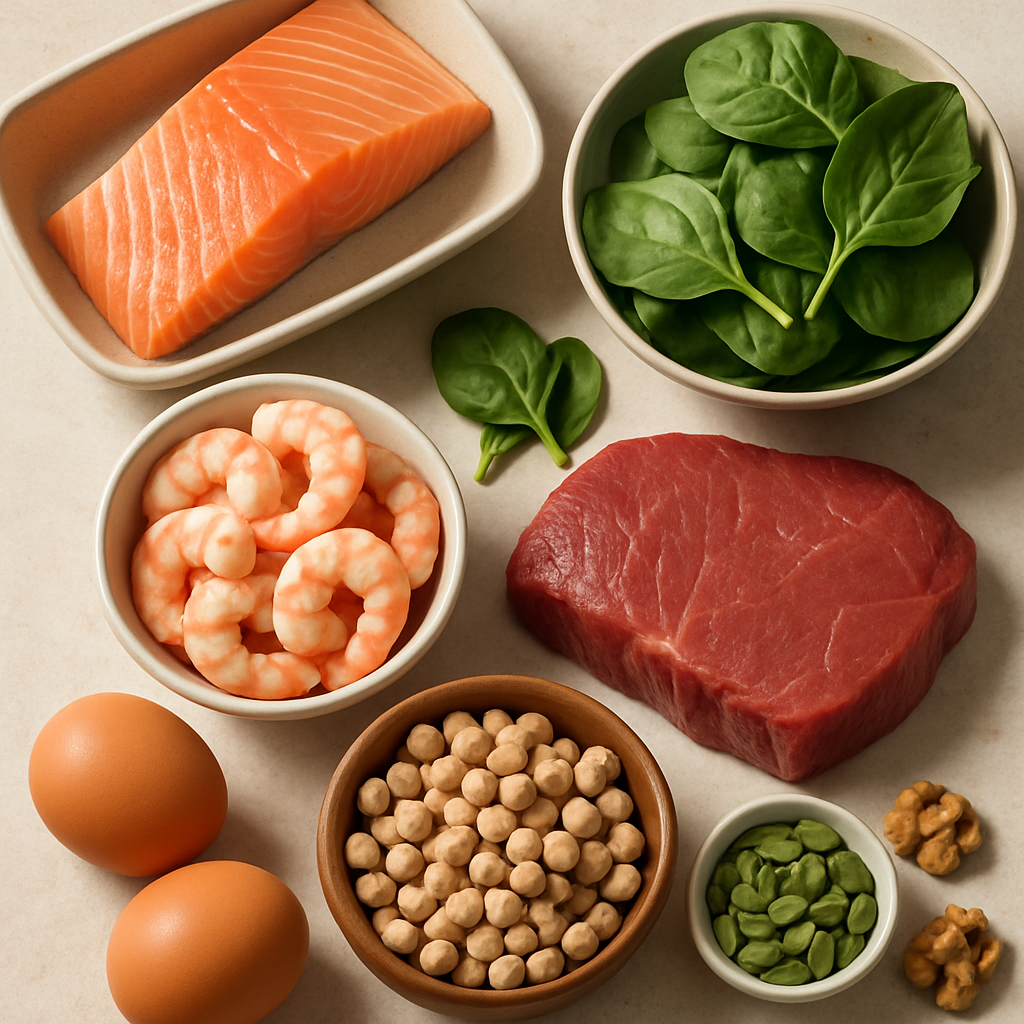
Before reaching for a supplement, it's worth knowing that zinc is genuinely accessible through food. Oysters are by far the richest source, containing more zinc per serving than virtually any other food. But for most people, the more realistic everyday sources are:
- Red meat (beef and lamb are particularly good sources)
- Pumpkin seeds (a surprisingly dense plant-based option)
- Legumes — lentils, chickpeas, and beans all contribute meaningfully
- Wholegrains — though phytates in wholegrains can reduce zinc absorption
- Dairy products — cheese and milk contain moderate amounts
- Eggs — a modest but consistent contributor
One nuance worth understanding: plant-based zinc sources come with absorption challenges. Phytates — compounds found in wholegrains, legumes, and nuts — bind to zinc and reduce how much the body can absorb. Soaking, sprouting, or fermenting these foods (as happens naturally with sourdough bread, for example) can reduce phytate content and improve zinc availability. This is particularly relevant for older adults following vegetarian or vegan diets.
When Supplementation Makes Sense
For most healthy adults eating a varied diet, zinc supplementation isn't necessary. But for older adults — especially those with smaller appetites, restricted diets, or conditions that affect nutrient absorption (such as Crohn's disease, coeliac disease, or type 2 diabetes) — it's a reasonable conversation to have with a GP or registered dietitian.
The tolerable upper intake level for zinc in adults is 25 mg/day in the UK, set by the European Food Safety Authority. Staying well below this is sensible: chronic overconsumption of zinc can actually interfere with copper absorption and paradoxically impair immune function. More is categorically not better here.
A dose of 10–15 mg/day from a supplement is generally considered a reasonable, well-tolerated range for older adults who aren't meeting dietary needs — but individual circumstances always warrant individual advice.
Practical Takeaways
If you're thinking about zinc in the context of your own diet or that of an older relative, here are some specific steps worth considering:
Assess the diet honestly. Look at whether red meat, shellfish, seeds, and legumes appear regularly. If meals are fairly repetitive or restricted, zinc may well be falling short.
Think about cooking methods. Soaking lentils and beans overnight, choosing sourdough over standard sliced bread, and including a variety of zinc-containing foods across the week are all simple, practical ways to improve zinc availability without any supplementation.
Don't ignore non-specific symptoms. Slow-healing cuts, frequent colds, or a general sense of being run-down more than usual in an older adult are worth mentioning to a GP — zinc status can be assessed through a blood test, though it's an imperfect measure.
Consider the whole pattern. Zinc doesn't work in isolation. Vitamin D, selenium, and vitamin C all play roles in immune function, and a dietary pattern that supports all of them is more useful than fixating on any single nutrient.
If you want to make sure your diet — or a family member's — is hitting the right nutritional targets without the guesswork, Macrology generates macro-perfect meal plans in seconds — https://macrology.app/signin
Want meals like this planned to your exact macros?
Macrology generates a personalised meal plan in seconds — breakfast, lunch, dinner and snacks, all hitting your daily targets.
Start your free 14-day trialMore from news
New Research: What UK Studies Reveal About the Link Between Food Delivery App Usage and Dietary Quality
7 min readNew Research: What UK Studies Reveal About the Link Between Food Environment at Home and Children's Eating Habits
7 min readNew Research: What UK Studies Reveal About the Link Between Cooking Frequency at Home and Overall Diet Quality
7 min read