Keralan Fish Curry with Coconut Milk, Tomatoes and Steamed Rice
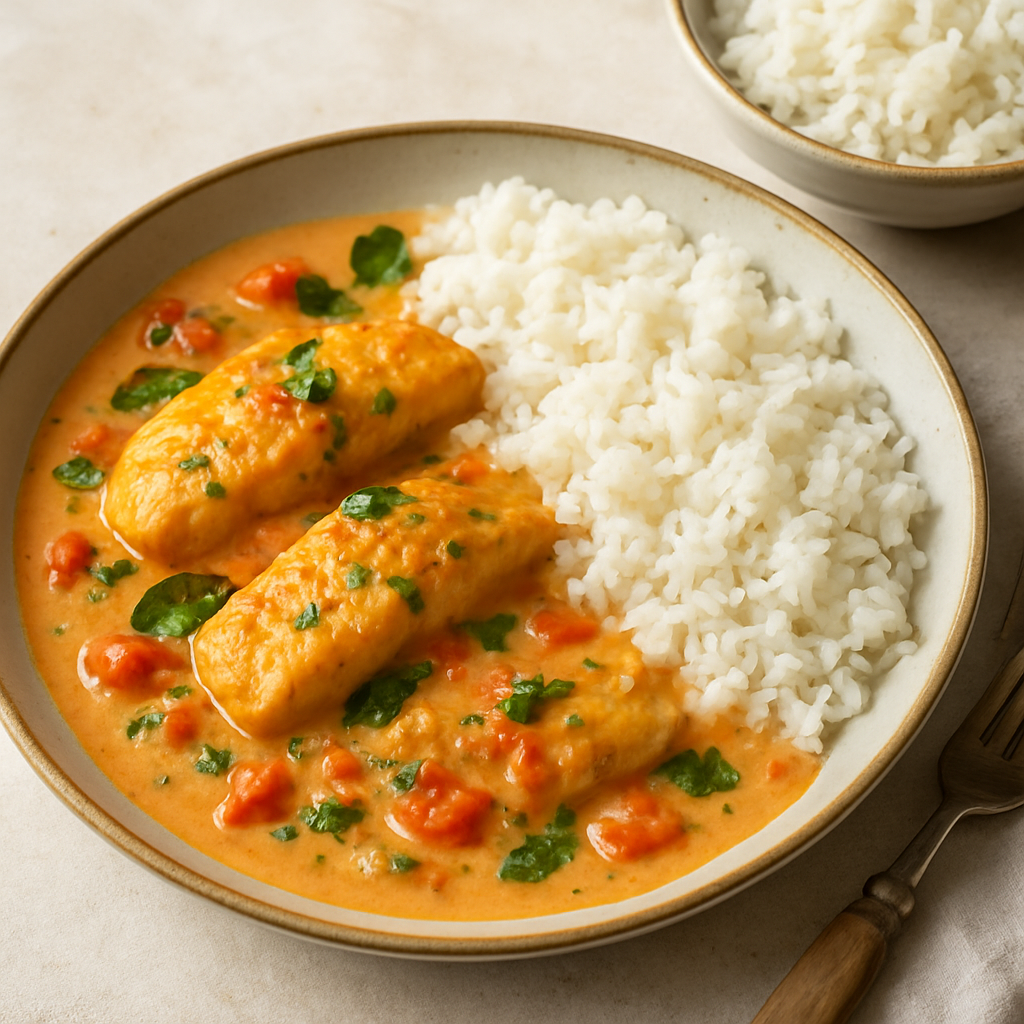
# Keralan Fish Curry with Coconut Milk, Tomatoes and Steamed Rice
There's a reason Keralan fish curry has stood the test of time — it's one of those dishes where every ingredient earns its place. Bright, tangy, warming, and ready in under 30 minutes, it's the kind of weeknight meal that feels far more impressive than the effort involved.
What Makes Keralan Curry Different
Kerala, a coastal state in southern India, has a cooking style that's distinct from the rich, cream-heavy curries most familiar to British palates.
Keralan cuisine leans heavily on coconut milk, tamarind, and mustard seeds, producing dishes that are lighter in texture but deeply complex in flavour. The use of curry leaves — not curry powder — is another signature touch, adding a citrusy, almost herbal note that you genuinely can't replicate with anything else.
The result is a curry that's aromatic and tangy rather than heavy, which makes it a brilliant choice if you want something satisfying without that post-dinner slump.
The Fish: What to Use and Why It Matters
Traditionally, Keralan fish curry is made with firm white fish — think cod, haddock, pollock, or tilapia. You want something that holds its shape during cooking rather than disintegrating into the sauce.
Oily fish like salmon can work too, and it's worth considering from a nutritional standpoint — salmon brings a generous hit of omega-3 fatty acids alongside the protein. Whichever you choose, cut the fillets into large chunks (roughly 4–5cm) so they cook evenly and don't fall apart.
Frozen fish is absolutely fine here. It's often caught and frozen at sea, meaning it can be just as fresh — or fresher — than what's sitting on the fishmonger's counter. Defrost overnight in the fridge and pat dry before using.
The Sauce: Building Layers of Flavour
The base of a good Keralan curry sauce is where the magic happens, and it's built in stages.
Start with whole spices in hot oil — mustard seeds, a dried red chilli, and curry leaves. The mustard seeds will pop within seconds; this blooming process releases fat-soluble flavour compounds that simply don't emerge the same way in water-based cooking.
Then come the aromatics: onion, ginger, and garlic, cooked low and slow until soft and golden. Rushing this step is the most common reason a curry tastes flat. Give it a full 8–10 minutes.
Ground spices — turmeric, coriander, and a little chilli powder — go in next, followed by chopped tomatoes. The tomatoes do two things: they add acidity to balance the richness of the coconut milk, and they help cook out the raw edge of the spices. Let them break down fully before adding anything else.
Finally, in goes the coconut milk. Full-fat gives the best texture and flavour — the fat carries the spices beautifully and creates a sauce with genuine body.
What Makes This Work Nutritionally
This dish pulls together a strong nutritional profile without any deliberate effort, which is part of what makes it so satisfying to cook regularly.
Protein comes primarily from the fish. A 150g portion of white fish typically provides around 30–35g of protein, which supports muscle repair and helps keep you fuller for longer. If you opt for salmon, you're also adding EPA and DHA omega-3s, which are linked to cardiovascular and cognitive health.
Turmeric has attracted significant research attention. Its active compound, curcumin, has demonstrated anti-inflammatory properties in studies, though the quantities used in cooking are modest. Combining turmeric with black pepper (which contains piperine) significantly increases curcumin absorption — so a few cracks of black pepper over the finished dish isn't just seasoning.
Coconut milk is high in saturated fat, predominantly in the form of medium-chain triglycerides (MCTs). The evidence on MCTs is nuanced — they're metabolised differently to long-chain fats and may have a less negative effect on cardiovascular markers than previously thought — but it's worth noting that full-fat coconut milk is calorie-dense. In the context of a balanced diet, this isn't a concern; it's simply useful to be aware of if you're tracking macros.
Tomatoes bring lycopene, a carotenoid antioxidant that becomes more bioavailable when cooked. The combination of cooked tomatoes and fat in the same dish is actually ideal for lycopene absorption.
What the Evidence Shows
Diets built around fish, vegetables, legumes, and plant-based fats — broadly speaking, patterns like the Mediterranean or traditional South Asian diet — are consistently associated with positive health outcomes in the research literature.
A 2022 review published in BMJ found that higher fish consumption was associated with reduced risk of cardiovascular disease, particularly where oily fish were included. White fish contributes lean protein and iodine, which is important for thyroid function — and iodine is one of the more commonly under-consumed nutrients in the UK, particularly in people who avoid dairy.
Curry leaves, a staple of Keralan cooking, are increasingly being studied for their antioxidant properties. Early research suggests potential benefits for blood glucose regulation, though most studies so far have been conducted in animal models. The evidence in humans is still emerging, but there's certainly no downside to cooking with them.
How to Serve It
Steamed basmati rice is the classic accompaniment, and for good reason — its lower glycaemic index compared to other white rices means a more gradual rise in blood glucose, and its fragrant, slightly nutty flavour complements the spiced coconut sauce without competing with it.
Cook your rice using the absorption method: rinse until the water runs clear, use a 1:1.5 ratio of rice to water, bring to the boil, then cover and simmer on the lowest heat for 10–12 minutes. Take it off the heat and leave the lid on for another 5 minutes. Perfectly fluffy, every time.
For extra colour and texture, a handful of wilted spinach stirred through the curry in the final minute adds iron and folate with almost zero additional effort. Sliced green chillies and fresh coriander to finish, and you're there.
Practical Takeaways
Here's what to take away from this recipe, beyond just the instructions:
- Use curry leaves fresh if you can find them — most large supermarkets stock them in the herb section or chilled Indian ingredient aisle. Dried curry leaves work but are significantly less aromatic.
- Don't skip the blooming step. Frying the mustard seeds and curry leaves in oil first is not optional — it's where much of the flavour foundation comes from.
- Make the sauce ahead. The base (up to and including the coconut milk) keeps well in the fridge for three days or can be frozen. Add fresh fish when you're ready to eat — it cooks in under 10 minutes.
- Taste as you go. Keralan curries are about balance: heat from chilli, tang from tomato and tamarind (if using), and sweetness from coconut. Adjust accordingly.
- Pair with a simple cucumber raita if you find the heat level needs tempering — yoghurt is one of the most effective ways to calm chilli heat on the palate.
---
> Macrology tip: Want to know exactly how this meal fits your protein, carb, and fat targets for the day? If you want to hit your macros without the mental load of tracking everything manually, Macrology generates macro-perfect meal plans in seconds — https://macrology.app/signin
Want meals like this planned to your exact macros?
Macrology generates a personalised meal plan in seconds — breakfast, lunch, dinner and snacks, all hitting your daily targets.
Start your free 14-day trial