How Iodine Became a Quiet Public Health Concern in the UK
# How Iodine Became a Quiet Public Health Concern in the UK
The UK has a surprising nutrition problem — and most people have never heard of it. While conversations around vitamin D deficiency and ultra-processed food dominate the headlines, a growing body of research suggests that iodine, a mineral essential for thyroid function and brain development, is quietly slipping below optimal levels in a significant portion of the population.
So how did this happen, and what does it actually mean for your health?
What Iodine Does (and Why It Matters More Than You Think)
Iodine is one of those nutrients that rarely gets airtime until something goes wrong. Its primary role is supporting the thyroid gland, which uses iodine to produce hormones that regulate metabolism, energy levels, and body temperature.
But the stakes are particularly high during pregnancy. Adequate iodine intake in pregnancy is directly linked to foetal brain development, and even mild deficiency during this window has been associated with lower cognitive scores in children. A landmark 2013 study published in The Lancet found that children born to mildly iodine-deficient mothers in the UK scored significantly lower on verbal IQ tests — a finding that shifted how researchers viewed the issue.
Beyond pregnancy, iodine deficiency in adults can contribute to fatigue, difficulty concentrating, and thyroid dysfunction, though these symptoms are easy to attribute to other causes, which is partly why deficiency often goes undetected.
How the UK Ended Up in This Position
This wasn't always a concern. For much of the 20th century, the UK population got reliable iodine through an unlikely source: milk. Iodine enters the dairy supply partly through iodine-containing supplements given to cattle, and partly through iodophor disinfectants used in milking equipment. It's not something most people would ever think about, but it's been a consistent dietary source for decades.
The problem is that dietary habits have shifted considerably. Plant-based milk alternatives — oat, almond, soy, coconut — are not naturally high in iodine, and the majority of plant-based milks sold in the UK are not fortified with iodine. As more people reduce or eliminate dairy, that quiet buffer against deficiency has disappeared from their diet without most realising it.
At the same time, the UK has never introduced mandatory iodine fortification of staple foods like salt or bread, unlike many other countries. The US, for example, introduced iodised salt decades ago specifically to address widespread deficiency. The UK never followed suit, meaning there's no dietary safety net for those who don't happen to eat enough iodine-rich foods naturally.
What the Evidence Shows
The data on UK iodine status has become increasingly hard to ignore. A large study using data from the National Diet and Nutrition Survey found that women of childbearing age are among the most at-risk groups, with a notable proportion falling below recommended intake levels.
Research published in the British Journal of Nutrition found that over 50% of teenage girls and young women in the UK were iodine deficient based on urinary iodine concentrations — a figure that public health bodies have described as concerning. Older studies from the 1990s suggested the UK was broadly iodine sufficient, but more recent evidence paints a different picture.
The Scientific Advisory Committee on Nutrition (SACN) has acknowledged the issue, and the UK Health Security Agency lists iodine deficiency as an area of ongoing monitoring. However, unlike the response to vitamin D deficiency — where public guidance and supplementation recommendations became mainstream — the public health response to iodine has remained relatively muted.
Who Is Most at Risk?
While iodine deficiency can affect anyone, certain groups face a meaningfully higher risk.
Pregnant and breastfeeding women sit at the top of the list, both because their requirements are higher and because the consequences of deficiency during this period are most significant. The recommended intake rises from 140 micrograms per day for adults generally to 200 micrograms during pregnancy.
People following vegan or plant-based diets are also frequently flagged in the research. Without dairy or fish — both of which are among the richest dietary sources of iodine — hitting the recommended intake becomes genuinely difficult unless seaweed is consumed regularly (which comes with its own caveats, as iodine content in seaweed is extremely variable and sometimes excessive) or a supplement is taken.
Teenage girls have consistently shown lower iodine status in UK surveys, likely reflecting both lower dairy consumption and a tendency to avoid fish. This matters not only for their own health but for any future pregnancies.
Why Seaweed Isn't the Simple Fix It Sounds Like
When people discover that seaweed is extraordinarily high in iodine, it can seem like an elegant plant-based solution. And it's true that seaweed — particularly nori, wakame, and kelp — contains significant amounts of the mineral.
The problem is consistency. Iodine content in seaweed varies wildly depending on the species and where it was harvested, making it very difficult to know how much you're actually consuming. Kelp in particular can contain so much iodine that regular consumption risks exceeding the tolerable upper limit, which can paradoxically suppress thyroid function. The NHS advises caution around kelp supplements specifically for this reason.
Nori, used in sushi, tends to be lower in iodine and is generally considered safer for regular consumption — but it's not reliable enough as a sole iodine source either. This is one of those cases where the food first approach, while usually sensible, has real limitations.
What You Can Actually Do About It
The practical side of this is more straightforward than the underlying complexity might suggest.
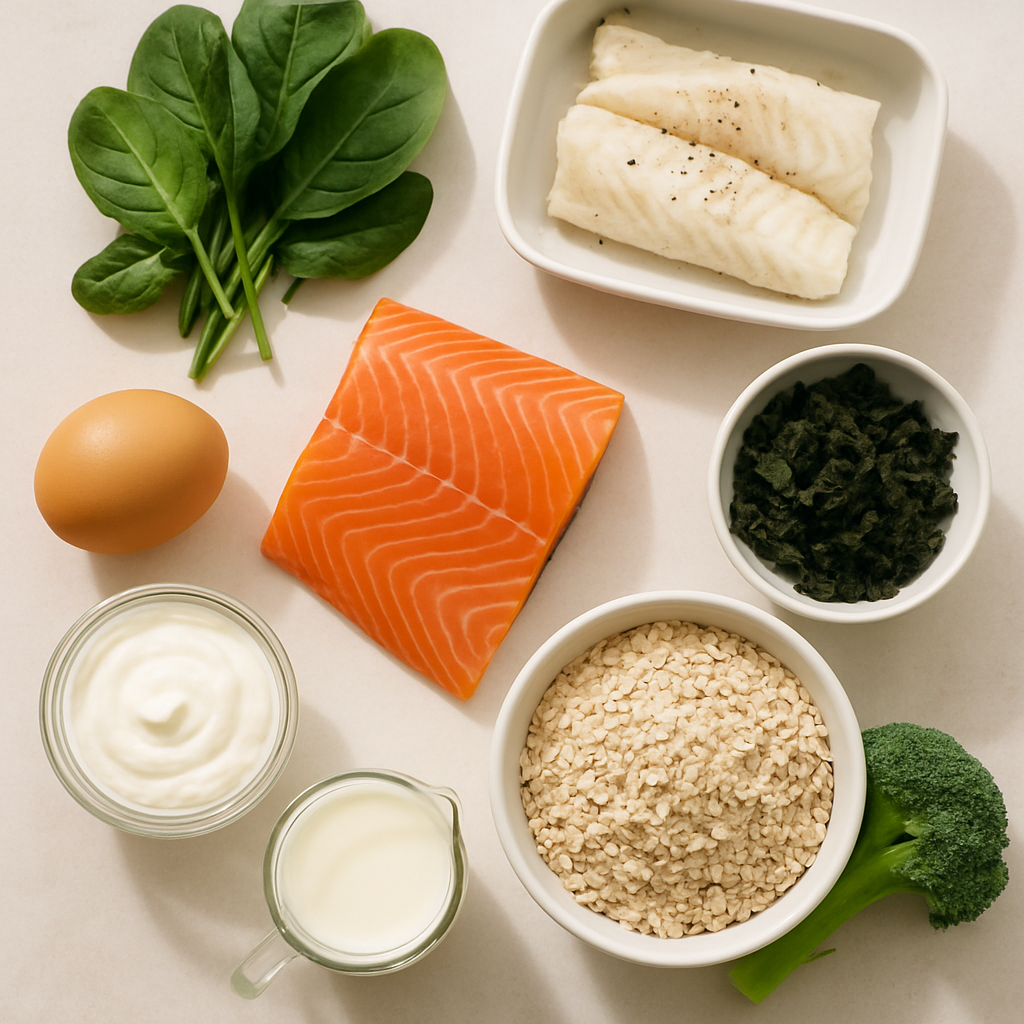
If you eat dairy and fish regularly, you're likely getting adequate iodine without thinking about it. Cow's milk, white fish like cod and haddock, and eggs are all solid sources. A single 200ml glass of milk provides roughly 50–60 micrograms of iodine — nearly half the daily adult requirement.
If you've switched to plant-based milks, it's worth checking whether your chosen brand is iodine-fortified. Some are, many aren't. Oatly Barista and a handful of other brands have started adding iodine, but it's not universal — always check the label specifically for iodine rather than assuming "fortified" covers it.
If you're pregnant or trying to conceive, this is one area where supplementation is worth discussing with a midwife or GP. Many standard prenatal vitamins include iodine, but not all do — again, checking the label matters here.
For those following a vegan diet, a daily iodine supplement of around 150 micrograms is widely considered appropriate and is in line with guidance from the British Dietetic Association. There's no need to overdo it — more is not better when it comes to iodine — but consistent, moderate intake is what matters.
Practical Takeaways
- Check your plant-based milk: If you've moved away from dairy, verify whether your milk alternative contains iodine. It's a small label check with a meaningful impact.
- Pregnant or planning to be? Look at your prenatal supplement's small print to confirm it contains iodine, and raise it with your midwife.
- Eating a varied omnivorous diet? Cow's milk, white fish, and eggs cover most of your bases without any special effort.
- On a vegan diet? A daily iodine supplement around 150 micrograms is a sensible, low-effort way to close the gap.
- Avoid going heavy on kelp or kelp supplements — excessive iodine is not harmless and can cause its own thyroid issues.
- Don't panic about single days or occasional gaps — iodine status reflects intake over weeks and months, not one day's meals.
Getting your overall nutrition consistently right is where most of the work happens — and that's easier when your meals are planned around your actual needs rather than guesswork. If you want a meal plan built around your specific nutritional targets, Macrology generates macro-perfect meal plans in seconds — [https://macrology.app/signin](https://macrology.app/signin)
Want meals like this planned to your exact macros?
Macrology generates a personalised meal plan in seconds — breakfast, lunch, dinner and snacks, all hitting your daily targets.
Start your free 14-day trialMore from news
New Research: What UK Studies Reveal About the Link Between Food Delivery App Usage and Dietary Quality
7 min readNew Research: What UK Studies Reveal About the Link Between Food Environment at Home and Children's Eating Habits
7 min readNew Research: What UK Studies Reveal About the Link Between Cooking Frequency at Home and Overall Diet Quality
7 min read