Ultra-Processed Foods: What the Research Actually Shows
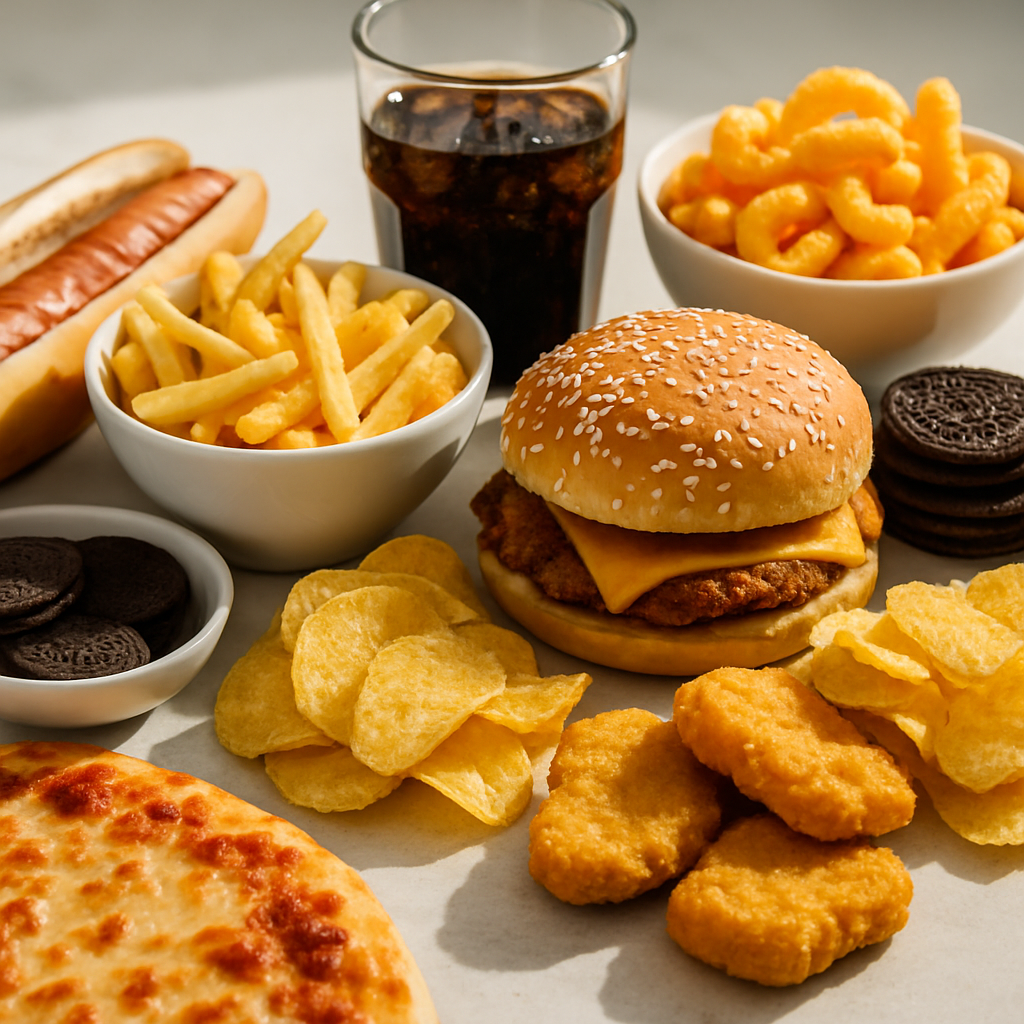
The term "ultra-processed food" is everywhere right now — in headlines, government reports, and probably your social media feed. But the conversation often swings between outright panic and defensive dismissal, which isn't especially helpful if you're just trying to eat well and understand what the evidence actually says.
What Does "Ultra-Processed" Actually Mean?
The most widely used definition comes from a classification system called NOVA, developed by Brazilian researchers. It sorts foods into four groups based on how much industrial processing they've undergone. Ultra-processed foods (UPFs) sit in group four — these are products that typically contain ingredients you wouldn't find in a home kitchen: emulsifiers, flavour enhancers, hydrogenated oils, and various additives used to improve texture, shelf life, or palatability.
The category is broad. It includes obvious candidates like fizzy drinks and chicken nuggets, but also things like mass-produced wholegrain bread, flavoured yoghurt, and some breakfast cereals. That breadth is one reason the debate gets complicated — grouping Diet Coke with a supermarket wholemeal loaf is a fairly blunt instrument.
What the Studies Show
A substantial body of observational research links higher UPF consumption with increased risk of several health outcomes, including cardiovascular disease, type 2 diabetes, certain cancers, depression, and all-cause mortality. A large 2024 umbrella review published in The BMJ, drawing on over 45 meta-analyses, found consistent associations across many of these areas.
That's genuinely significant and worth taking seriously. But observational data has limitations — people who eat a lot of UPFs also tend to smoke more, exercise less, sleep worse, and have lower incomes. Researchers try to adjust for these factors statistically, but it's difficult to fully untangle cause and effect.
The more compelling evidence comes from a randomised controlled trial conducted by the National Institutes of Health in the United States. Participants given an ultra-processed diet ate around 500 more calories per day than those given a minimally processed diet, even though both groups had equal access to food and reported similar hunger levels. They also gained weight. When they switched to the minimally processed diet, they ate less and lost the weight. This suggests something about UPFs specifically — possibly their texture, speed of digestion, or effect on satiety hormones — drives overconsumption, independent of the person's intention or awareness.
The honest answer is that the science is strong enough to pay attention to, but not yet complete enough to make sweeping declarations.
Where the Nuance Lives
One of the most important things to acknowledge is that access and affordability matter enormously. UPFs are often cheaper, faster to prepare, and more widely available than fresh whole foods — particularly for families, shift workers, people in food deserts, and anyone stretched thin on time or money. Treating this purely as a personal choice ignores a lot of real-world context.
It's also worth noting that not all UPFs appear equal. Some research suggests that certain categories — like packaged wholegrain bread or low-sugar yoghurts — show weaker or no associations with harm, while others, particularly processed meats and sugary drinks, show consistently stronger links. The NOVA system doesn't make these distinctions, which is a limitation researchers themselves acknowledge.
There's also the question of what UPFs are often displacing in the diet. If someone replaces a high-UPF pattern with more whole foods, vegetables, legumes, and home-cooked meals, the benefit may come as much from what they've added as from what they've removed.
Practical Takeaway
You don't need to audit every ingredient label or swear off anything that comes in a packet. What the research broadly points to is a pattern rather than individual food villains — diets built mostly around whole and minimally processed foods tend to support better health outcomes over time.
Some practical ways to shift that pattern without turning mealtimes into a project:
- Cook in batches so there's always something quick and homemade available
- Add more whole foods to meals you already make rather than overhauling everything at once
- Keep an eye on the biggest UPF contributors in your diet — drinks, snacks, and processed meats tend to have the strongest evidence against them
- Don't stress the occasional convenience food — dietary patterns matter far more than individual choices
If you want to build a meal plan that's heavy on whole foods without spending hours researching recipes and macros, Macrology generates macro-perfect meal plans in seconds — https://macrology.app/signin
Want meals like this planned to your exact macros?
Macrology generates a personalised meal plan in seconds — breakfast, lunch, dinner and snacks, all hitting your daily targets.
Start your free 14-day trialMore from news
New Research: What UK Studies Reveal About the Link Between Food Delivery App Usage and Dietary Quality
7 min readNew Research: What UK Studies Reveal About the Link Between Food Environment at Home and Children's Eating Habits
7 min readNew Research: What UK Studies Reveal About the Link Between Cooking Frequency at Home and Overall Diet Quality
7 min read