New Research: How Ultra-Processed Food Consumption Among UK Children Has Shifted Since 2020
# New Research: How Ultra-Processed Food Consumption Among UK Children Has Shifted Since 2020
The food on a child's plate has always been a contested topic, but new research is bringing the conversation into sharper focus. Data on ultra-processed food (UPF) consumption among UK children is painting a clearer picture of how eating habits have shifted since 2020 — and the findings are worth understanding.
What Counts as Ultra-Processed Food?
Before diving into the numbers, it helps to know what researchers actually mean by "ultra-processed."
The term comes from the NOVA classification system, developed by Brazilian researchers to categorise foods by the degree of industrial processing they undergo. Ultra-processed foods aren't just foods that have been cooked or preserved — they're products that typically contain ingredients you wouldn't find in a home kitchen: emulsifiers, artificial flavours, colour stabilisers, and added sugars in combinations designed to maximise palatability.
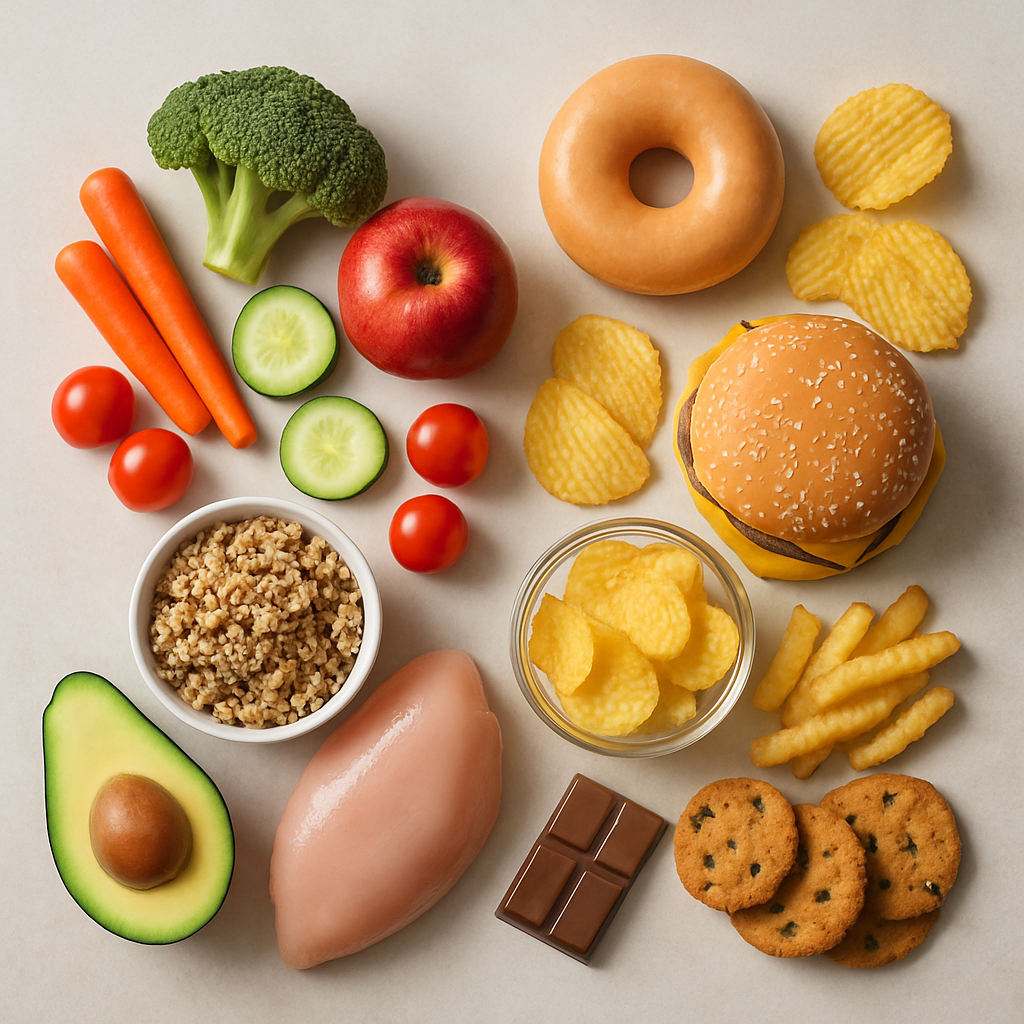
Think packaged snacks, fizzy drinks, flavoured yoghurts, breakfast cereals with long ingredient lists, and many ready meals. It's a broad category, which is part of why it's generated so much research interest.
What the Data Shows Since 2020
Studies drawing on UK dietary surveys, including data from the National Diet and Nutrition Survey (NDNS), suggest that UPF consumption among children in the UK remains stubbornly high — with some estimates putting UPFs at over 60% of total calorie intake for children and adolescents.
The post-2020 period introduced a number of disruptions: school closures, changes to free school meal provision, more time at home, and significant household financial pressure as the cost-of-living crisis took hold. Researchers have noted that these factors likely reinforced existing patterns rather than dramatically reversing them.
Lower-income households have been disproportionately affected. UPFs tend to be cheaper, more shelf-stable, and more heavily marketed than less-processed alternatives — making them a practical choice for families under financial strain, not simply a matter of preference.
Some researchers have also pointed to the role of school food environments. When children are eating school meals prepared from whole ingredients, UPF exposure during the day is lower. During periods of school disruption, that protective structure disappears.
Why Researchers Are Paying Attention
The interest in UPF consumption isn't arbitrary. A growing body of evidence — including large cohort studies and recent trials — has linked high UPF intake with a range of health outcomes, including higher rates of obesity, poorer metabolic markers, and associations with anxiety and depression in young people.
It's worth being clear: the research doesn't suggest that eating a packaged biscuit is inherently harmful. The concern is about dietary pattern — when the majority of a child's daily energy comes from heavily processed products, there tends to be less room for the nutrients that support growth, concentration, and long-term health.
The mechanisms are still being studied. Some researchers think the issue is what UPFs displace (vegetables, whole grains, protein-rich foods). Others point to specific additives, or the way ultra-processed foods affect satiety signals and appetite regulation.
What Actually Helps Families Navigate This
The honest answer is that individual food swaps only go so far. Structural factors — food pricing, marketing regulations, school food standards — matter enormously at a population level. Campaigners and researchers have been pushing for tighter restrictions on advertising UPFs to children, and there is ongoing policy debate in the UK about mandatory front-of-pack labelling.
At a household level, the most practical lever isn't eliminating UPFs — it's building a regular rhythm of meals that include more whole or minimally processed foods. That doesn't require expensive ingredients or elaborate cooking. Simple, repeatable meals — eggs, pasta, tinned fish, roasted vegetables, plain yoghurt with fruit — can shift the balance over time without turning every mealtime into a project.
Planning ahead makes a real difference. When meals are thought out in advance, there's less reliance on whatever's quickest and most convenient in a tired moment — which is often where UPFs fill the gap.
Practical Takeaways
- UPF intake among UK children has remained high since 2020, shaped significantly by economic and structural factors
- The concern is about overall dietary pattern, not any single food
- School food environments play a meaningful protective role
- Regular, planned meals with minimally processed ingredients are one of the most practical household-level tools available
- Policy change — particularly around marketing and labelling — is where the bigger levers sit
If you want to build a weekly meal plan that takes the guesswork out of eating well for your family, Macrology generates macro-perfect meal plans in seconds — https://macrology.app/signin
Want meals like this planned to your exact macros?
Macrology generates a personalised meal plan in seconds — breakfast, lunch, dinner and snacks, all hitting your daily targets.
Start your free 14-day trialMore from news
New Research: What UK Studies Reveal About the Link Between Food Delivery App Usage and Dietary Quality
7 min readNew Research: What UK Studies Reveal About the Link Between Food Environment at Home and Children's Eating Habits
7 min readNew Research: What UK Studies Reveal About the Link Between Cooking Frequency at Home and Overall Diet Quality
7 min read