Why UK Households Are Wasting Less Food — and What's Driving the Change
# Why UK Households Are Wasting Less Food — and What's Driving the Change
Something quietly significant has been happening in British kitchens. After years of the UK being one of Europe's worst offenders for household food waste, the numbers are finally moving in the right direction — and the reasons behind the shift are more interesting than you might expect.
The Scale of the Problem (and the Progress)
For a long time, the statistics were hard to ignore. The UK was throwing away roughly 9.5 million tonnes of food every year, with households responsible for the lion's share of it. That's not commercial waste or supermarket surplus — that's meals that were planned, bought, and never eaten.
Recent data from WRAP (the Waste and Resources Action Programme) suggests the tide is turning. Household food waste has fallen meaningfully over the past decade, with some estimates pointing to a reduction of around 18% per person since 2007. It's not a solved problem by any stretch, but the direction of travel has changed.
What's Actually Driving the Change
Several forces are converging at once, and no single one deserves all the credit.
The cost of living has sharpened minds. When food prices rise sharply — as they did through 2022 and 2023 — people naturally pay closer attention to what's sitting in their fridge. Leftovers become more appealing when the alternative is spending money you don't have. Economic pressure isn't a comfortable motivation, but it does tend to change behaviour faster than any awareness campaign.
Meal planning has gone mainstream. What was once the domain of particularly organised people has spread considerably. Whether it's a handwritten list on the fridge or an app doing the heavy lifting, more households are thinking ahead about what they'll actually eat before they shop. Planning even a few days in advance dramatically reduces the chance of buying things that never get used.
"Use it up" cooking has had a cultural moment. Recipes built around odds and ends — the half-tin of chickpeas, the slightly tired courgette, the last few potatoes — have become genuinely popular content online. Searching for what to cook with ingredients you already have is now a normal thing people do, rather than a sign of desperation.
Where the Waste Still Happens
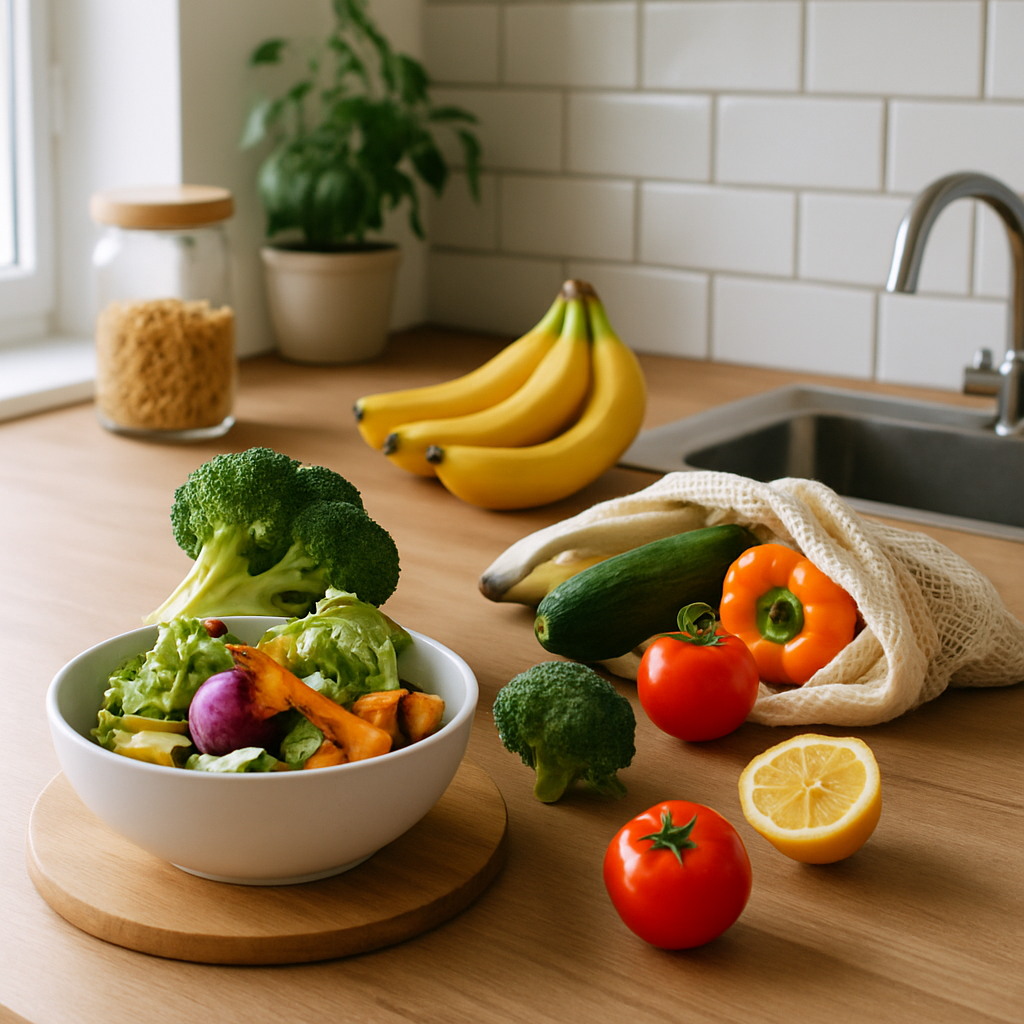
Progress is real, but certain categories remain stubbornly problematic. Fresh produce accounts for a huge proportion of what gets thrown away — salad leaves, bread, and fresh fruit and vegetables are consistently among the top wasted items in UK homes.
The pattern tends to be the same: people buy with good intentions, life gets busy, and the broccoli quietly deteriorates at the back of the fridge. Portion planning is often part of the answer here — buying closer to what you'll actually use, rather than what feels like a sensible amount in the shop.
Interestingly, households that plan meals before they shop waste significantly less than those who don't. The act of matching what you buy to what you'll actually cook creates a direct link between the shop and the plate — one that browsing a supermarket without a plan tends to break.
Practical Takeaways
A few things that make a genuine difference, without overhauling your entire routine:
- Plan at least 3 dinners before you shop. You don't need a full week mapped out — even partial planning reduces over-buying.
- Do a fridge audit before ordering or shopping. Two minutes checking what's already there often surfaces ingredients that need using first.
- Keep a "use first" section in your fridge. A visible spot for things approaching their best-before date means they're far less likely to be forgotten.
- Cook once, eat twice. Batch cooking isn't about meal prep containers lined up on Instagram — it's just making slightly more of something so tomorrow's lunch is already sorted.
If you want to stop buying more than you need and actually eat what you buy, Macrology generates macro-perfect meal plans in seconds — https://macrology.app/signin
The shift happening in UK kitchens isn't down to any one thing. It's a mix of financial pressure, better tools, and a gradual change in how people think about the food already in their home. The fact that it's working — slowly, imperfectly, but measurably — is genuinely encouraging.
Want meals like this planned to your exact macros?
Macrology generates a personalised meal plan in seconds — breakfast, lunch, dinner and snacks, all hitting your daily targets.
Start your free 14-day trialMore from news
New Research: What UK Studies Reveal About the Link Between Food Delivery App Usage and Dietary Quality
7 min readNew Research: What UK Studies Reveal About the Link Between Food Environment at Home and Children's Eating Habits
7 min readNew Research: What UK Studies Reveal About the Link Between Cooking Frequency at Home and Overall Diet Quality
7 min read