How UK Eating Habits Are Changing in 2025
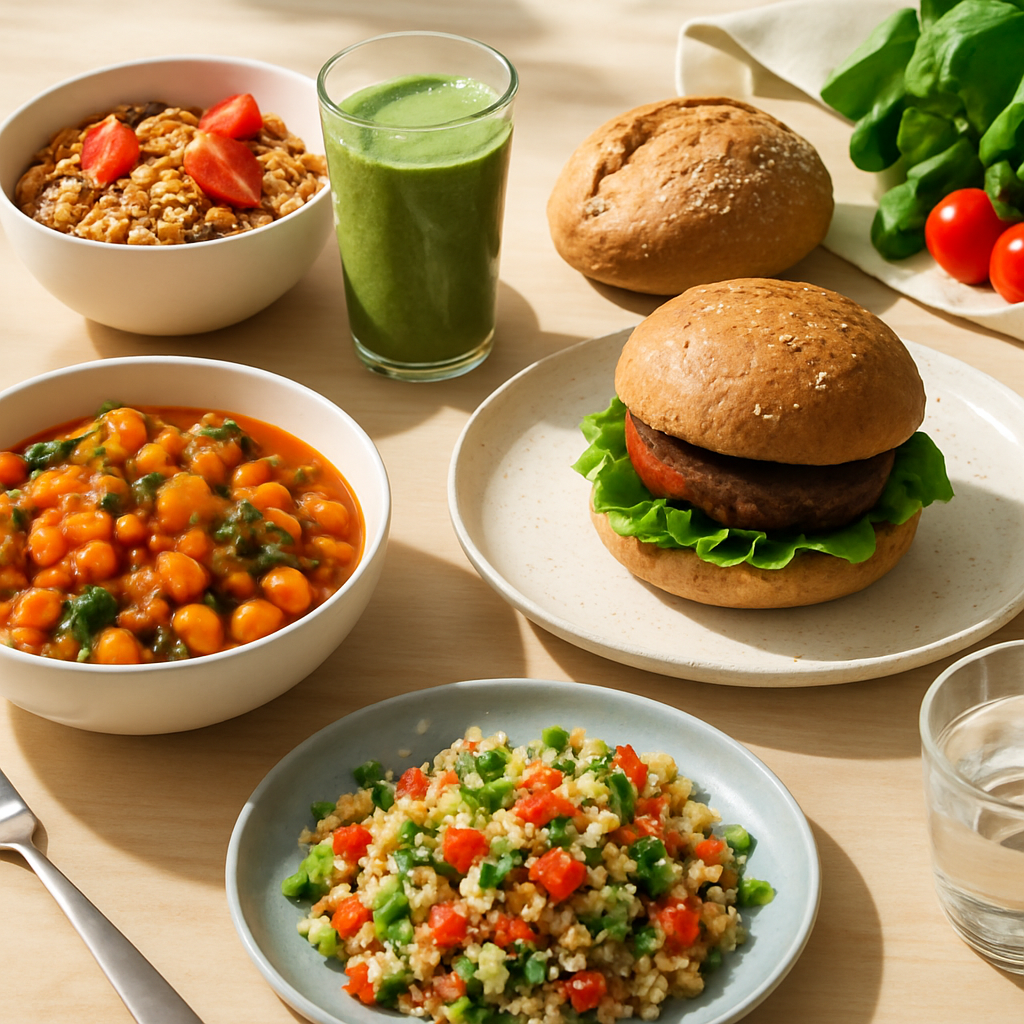
The way Britain eats is shifting — and not in the ways you might expect. Forget the tired narratives about avocado toast and juice cleanses. The changes happening right now are more practical, more nuanced, and far more interesting than any single food trend.
Protein Has Moved to the Centre of the Plate
Walk into any supermarket in 2025 and the evidence is hard to miss. High-protein yoghurts, protein-enriched breads, and ready meals with macro breakdowns on the front of the pack are everywhere. This isn't a niche gym-culture phenomenon anymore — protein awareness has gone mainstream.
Research consistently shows that adequate protein intake supports satiety, muscle maintenance, and energy levels across all age groups, and UK consumers are clearly paying attention. Sales of Greek yoghurt, eggs, and pulses have all risen steadily, while plant-based protein sources like edamame, lentils, and tofu are appearing in trolleys that would never have contained them five years ago.
What's driving this? Partly social media, partly an ageing population that's increasingly aware of muscle health, and partly the growing accessibility of nutrition information. People aren't obsessing — they're just more informed.
Convenience Is No Longer the Enemy of Good Nutrition
For years, convenience food carried a stigma. That's changing fast. The 2025 UK consumer is time-poor, often cooking for households with different preferences, and looking for solutions that don't require a Sunday afternoon of meal prep.
Meal kit services, batch cooking, and AI meal planning tools have all grown significantly. More tellingly, the conversation around convenience has shifted — people are asking "does this actually fill me up and give me energy?" rather than feeling obligated to cook everything from scratch. That's a healthy recalibration.
Supermarkets have responded by expanding their prepared food ranges with better ingredient quality and clearer nutritional information. The average ready meal in 2025 looks quite different from what it did a decade ago — higher protein, lower sodium in many cases, and far more variety in terms of global cuisines.
Flexitarianism Has Quietly Won
The heated debate between meat-eaters and vegans has largely fizzled out, replaced by something more pragmatic: most people are simply eating less meat without making it an identity statement. Flexitarianism — reducing animal products without eliminating them — has become the dominant approach for a significant portion of the UK population.
This shift isn't ideological for most people. It's economic (meat prices have risen), practical (plant proteins are genuinely more available and better than they were), and increasingly habitual. Meat-free Mondays have become meat-free several-days-a-week for many households without any grand announcement.
The food industry has caught up. Supermarket own-brand plant-based ranges are more affordable than ever, and restaurant menus — even in traditional pub settings — routinely offer substantial vegetarian and vegan options as a matter of course rather than an afterthought.
The Mental Load of Eating Is Getting More Attention
Perhaps the most significant shift in 2025 is cultural rather than nutritional. There's growing recognition that deciding what to eat — every single day, for yourself and possibly an entire family — is genuinely exhausting. The "what's for dinner?" problem is being taken seriously.
This has manifested in a few ways. Meal planning tools and apps have seen considerable growth in the UK market. More people are talking openly about food decision fatigue. And there's a broader cultural acceptance that getting a bit of help with nutrition planning isn't laziness — it's sensible.
Interestingly, this sits alongside a simultaneous desire for more personalisation. People want meal plans that work around their preferences, intolerances, and macros — not a generic template that ignores the fact that one person in the house hates mushrooms and another is trying to hit a protein target.
What This Means for Your Own Eating
The clearest takeaway from all of this is that Britain is moving towards a more flexible, informed, and practical relationship with food. Less dogma, more common sense. The question most people are asking in 2025 isn't "is this food good or bad?" — it's "does this work for me and my life?"
If you want meal plans that actually reflect how you eat — your macros, your preferences, your schedule — Macrology generates macro-perfect meal plans in seconds — https://macrology.app/signin
The data suggests you're not alone in wanting a bit of structure without the rigidity. And honestly, that sounds like progress.
Want meals like this planned to your exact macros?
Macrology generates a personalised meal plan in seconds — breakfast, lunch, dinner and snacks, all hitting your daily targets.
Start your free 14-day trialMore from news
New Research: What UK Studies Reveal About the Link Between Food Delivery App Usage and Dietary Quality
7 min readNew Research: What UK Studies Reveal About the Link Between Food Environment at Home and Children's Eating Habits
7 min readNew Research: What UK Studies Reveal About the Link Between Cooking Frequency at Home and Overall Diet Quality
7 min read