The Rise of High-Protein Convenience Foods in UK Supermarkets: A Closer Look
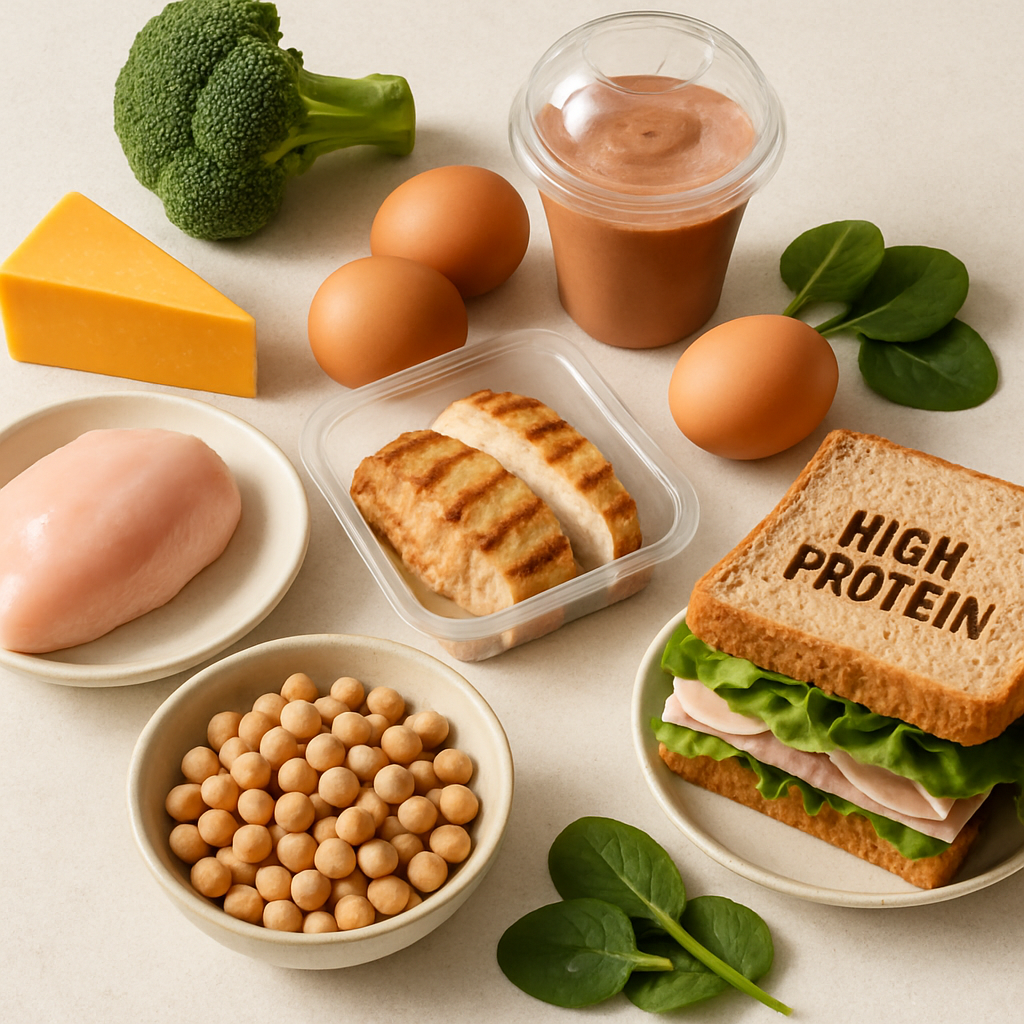
Walk down any major supermarket aisle these days and you'll notice something has quietly shifted. Protein content is now plastered across everything from yoghurt pots to ready meals, and the range keeps expanding.
From Niche to Mainstream
Not long ago, high-protein food was the territory of gym bags and specialist health stores. A tub of whey protein or a pack of chicken breast — that was about as far as it went for most people.
Now Tesco, Sainsbury's, Aldi, and M&S are all running dedicated high-protein ranges. Marks & Spencer's Protein range, Sainsbury's Taste the Difference high-protein lines, and own-brand options across the board have turned protein into a selling point as familiar as "low fat" once was.
The shift reflects real demand. Research consistently shows that protein is the most satiating macronutrient — it keeps hunger at bay longer than carbohydrates or fat at equivalent calories. Shoppers have caught on, and supermarkets have followed.
What's Actually on the Shelves
The variety now available is genuinely impressive. You'll find high-protein versions of products that were never associated with the macronutrient before.
Greek-style yoghurts with 15–20g of protein per pot. Ready meals from brands like Charlie Bigham's and supermarket own-brands hitting 35–45g of protein per serving. Protein bread, pasta, and even protein-enriched milk. There are high-protein wraps in most meal deal sections, and cottage cheese — long overlooked — has had a proper comeback.
Snack formats have expanded too. High-protein crisps, bars, and nut butter pouches now sit alongside traditional snacks rather than in a separate "health food" section. That repositioning matters — it signals these products are for everyday eating, not just post-workout refuelling.
The Honest Side of the Label
Here's where it gets worth paying attention to. Not every product wearing a "high protein" badge is nutritionally straightforward.
Under UK and EU retained food labelling rules, a product can legally claim "high protein" if at least 20% of its energy comes from protein. That sounds meaningful — and often is — but it's worth checking the actual gram count rather than relying on front-of-pack claims alone.
Some protein-enriched products also carry a lot of added sugar, saturated fat, or sodium alongside the protein boost. A high-protein chocolate bar with 20g of protein and 30g of sugar is a different proposition to a pot of plain skyr. Neither is inherently good or bad, but knowing what you're actually eating helps you make choices that fit your day.
The other thing worth noting: protein quality varies. Animal-based sources like dairy, eggs, and meat contain all essential amino acids. Many plant-based protein products do too — soy, for example, is a complete protein — but some rely on single plant sources that aren't. Again, not a dealbreaker, just useful context.
Why This Trend Has Legs
Unlike a lot of food marketing trends that fade quickly, the focus on protein has staying power. The evidence base is solid — higher protein intakes are linked to better muscle maintenance, improved satiety, and support for body composition goals across a wide range of people.
The growing interest in healthy ageing is part of this too. Adults over 50 need more dietary protein to maintain muscle mass than was previously recommended, and awareness of this is gradually filtering into everyday food choices. Protein isn't just for athletes — it's relevant across life stages.
Convenience is the other factor. People are busy. Products that help someone hit their protein targets without meal prepping for hours on a Sunday are filling a genuine gap.
What to Take Away From All This
The high-protein convenience food boom is largely a positive development — more options, more flexibility, and products that make it easier to eat in a way that supports how you want to feel.
A few practical things worth keeping in mind when you're shopping:
- Check the grams, not just the claim — aim for at least 20g of protein per main meal
- Look at the full label — protein alongside decent fibre and modest sodium is a good sign
- Mix it up — variety across protein sources (dairy, meat, fish, legumes, eggs) covers your nutritional bases better than leaning on one thing
If you want to take the guesswork out of hitting your protein targets, Macrology generates macro-perfect meal plans in seconds — https://macrology.app/signin
Want meals like this planned to your exact macros?
Macrology generates a personalised meal plan in seconds — breakfast, lunch, dinner and snacks, all hitting your daily targets.
Start your free 14-day trialMore from news
New Research: What UK Studies Reveal About the Link Between Food Delivery App Usage and Dietary Quality
7 min readNew Research: What UK Studies Reveal About the Link Between Food Environment at Home and Children's Eating Habits
7 min readNew Research: What UK Studies Reveal About the Link Between Cooking Frequency at Home and Overall Diet Quality
7 min read