Study: People Who Meal Plan Eat Better and Spend Less
What the Research Actually Found
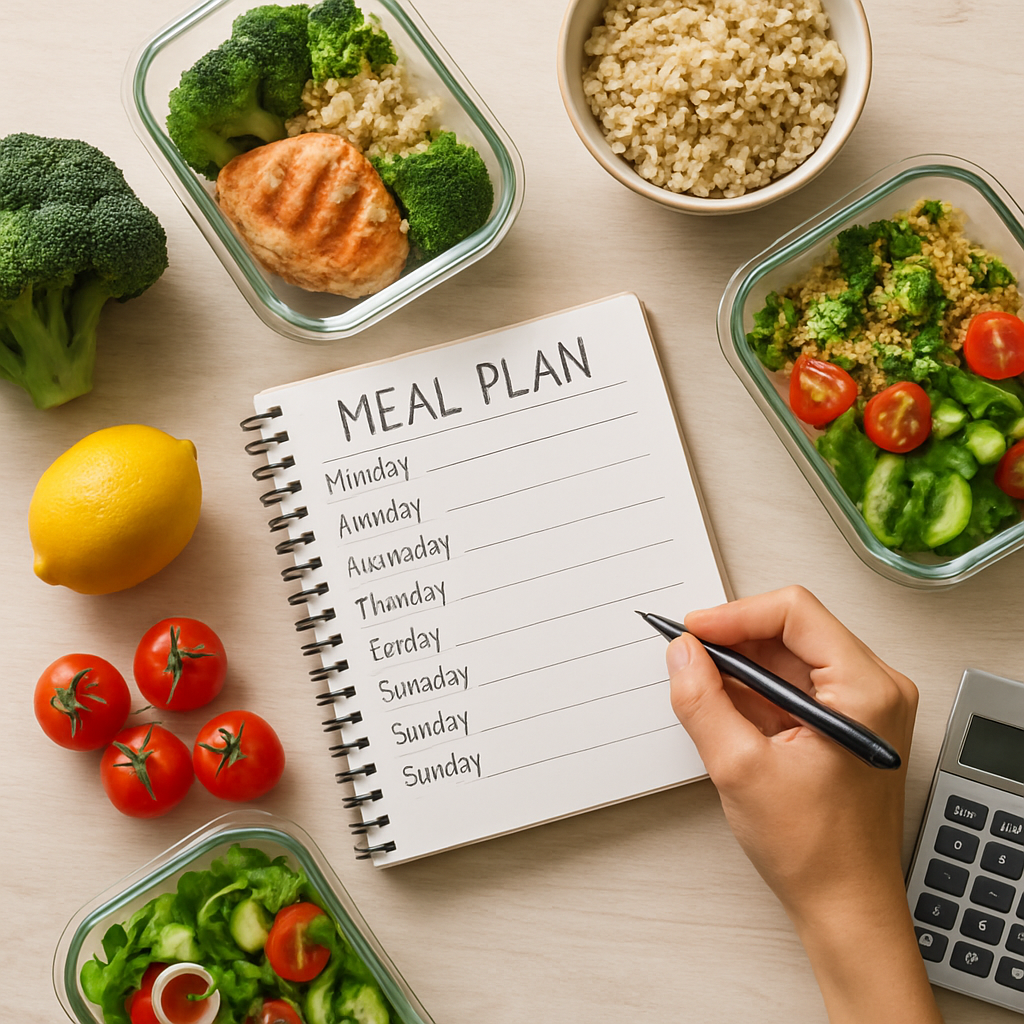
A large-scale study published in the International Journal of Behavioral Nutrition and Physical Activity followed over 40,000 adults and found that people who regularly planned their meals had significantly better diet quality and were less likely to be obese than those who didn't. They also spent less money on food overall.
The researchers measured diet quality using adherence to nutritional guidelines — variety, balance, adequate fruit, vegetables, protein and fibre intake. Meal planners scored consistently higher across the board. Crucially, the association held across different income levels, which suggests planning itself — not just having more money to spend on food — is doing a lot of the heavy lifting here.
This isn't a one-off finding either. A separate body of research on food budgeting behaviour consistently shows that unplanned food purchases are a major driver of both overspending and poorer nutritional choices. When there's no plan, convenience wins — and convenience food, while not inherently bad, tends to be more expensive per portion and less nutritionally varied than home-cooked meals.
Why Planning Works (Behaviourally Speaking)
The psychology here is fairly straightforward. Decision fatigue is real — by the time most people get to "what's for dinner?" after a full day, willpower and creativity are both running low. Having a plan removes that decision entirely. You've already done the thinking; now you just have to cook.
There's also the shopping list effect. People who plan meals go to the supermarket knowing exactly what they need. That dramatically reduces impulse purchases, wasted food, and the mid-week panic buy that somehow always includes something wildly overpriced. The planning group in the study visited supermarkets more regularly but spent less per trip — a pattern that aligns with buying fresh ingredients in smaller, more intentional amounts rather than doing one chaotic big shop.
It's worth noting that meal planning doesn't require military precision. Even rough planning — knowing broadly what you're making across the week — appears to confer benefits. The key mechanism seems to be intentionality: making active choices about food in advance, rather than reactive ones when you're hungry and tired.
The Nutrition Dividend
The diet quality improvements associated with meal planning are worth unpacking. Planners in the study consumed more fruit, vegetables, and varied protein sources. They were also more likely to meet recommended intakes for fibre and key micronutrients.
This makes intuitive sense. When you plan a week of meals, you naturally think about variety in a way you don't when you're just grabbing something quick. You might notice you've had pasta three nights in a row, or that there's no green vegetable anywhere in your week — and you adjust. That kind of bird's-eye view of your eating is genuinely hard to achieve when you're making decisions meal by meal.
For anyone tracking macros or working towards specific nutrition goals, planning becomes even more powerful. Building meals around your targets in advance is considerably easier than reverse-engineering what you've eaten at the end of the day and hoping for the best.
Practical Takeaways
You don't need a spreadsheet or hours of batch cooking to get the benefits. Here's what actually makes a difference:
- Plan loosely, not rigidly. Map out your dinners for the week, and lunches if you can. Breakfast can usually sort itself.
- Build a short shopping list before you go to the supermarket — even a rough one reduces impulse spending.
- Repeat meals you like. There's no rule that says you need seven different dinners. Repetition makes planning easier and shopping cheaper.
- Keep a few reliable fallbacks. Knowing you've got ingredients for a quick, nutritious meal on busy nights is most of the battle.
The evidence is clear: a bit of planning goes a long way — for your wallet and for the quality of what you're actually eating.
---
If you want macro-balanced meals without the mental load of planning them yourself, Macrology generates macro-perfect meal plans in seconds — https://macrology.app/signin
Want meals like this planned to your exact macros?
Macrology generates a personalised meal plan in seconds — breakfast, lunch, dinner and snacks, all hitting your daily targets.
Start your free 14-day trialMore from news
New Research: What UK Studies Reveal About the Link Between Food Delivery App Usage and Dietary Quality
7 min readNew Research: What UK Studies Reveal About the Link Between Food Environment at Home and Children's Eating Habits
7 min readNew Research: What UK Studies Reveal About the Link Between Cooking Frequency at Home and Overall Diet Quality
7 min read