How to eat fresh food for less than junk food
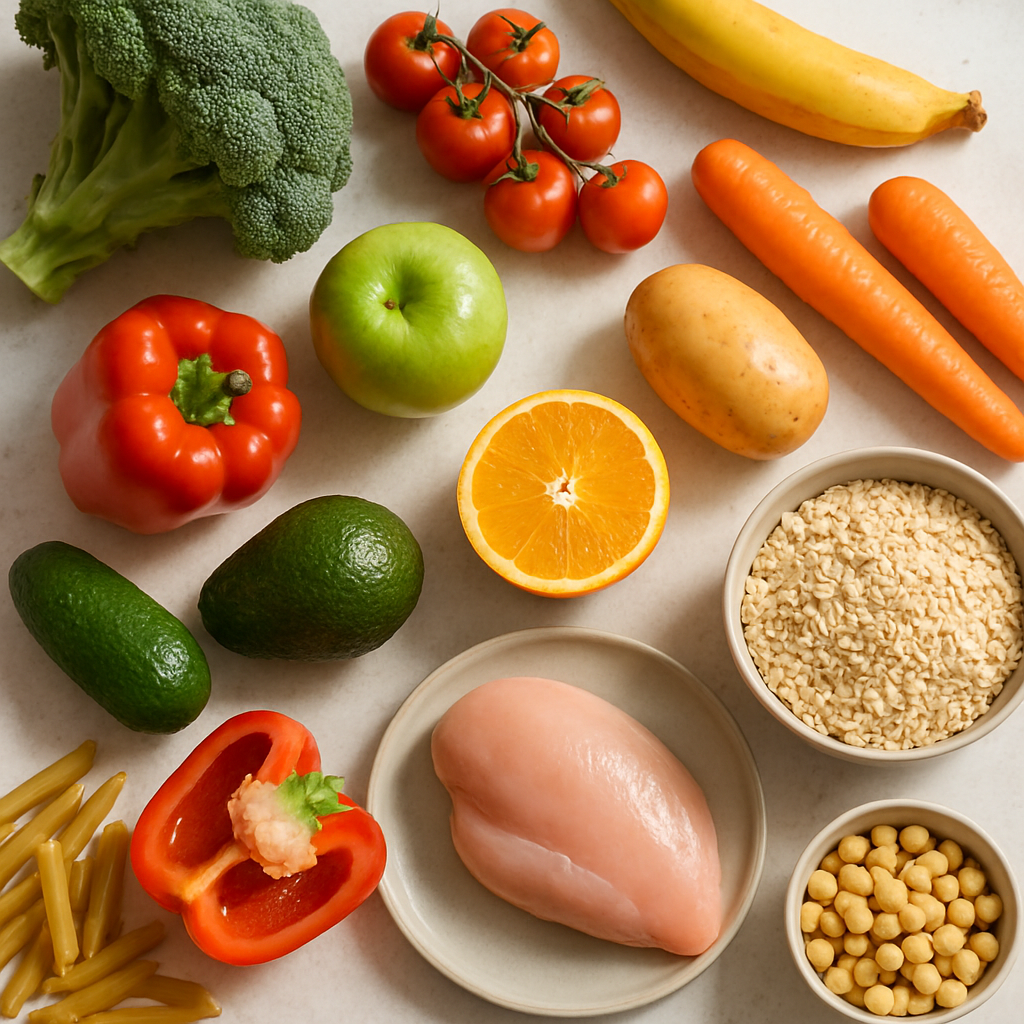
# How to Eat Fresh Food for Less Than Junk Food
There's a persistent idea that eating well costs more — that fresh vegetables, whole grains, and home-cooked meals are a luxury, while ultra-processed food is the budget option. It's repeated so often it starts to feel like fact. But the numbers, when you actually look at them, tell a more complicated story.
The myth of cheap junk food
The idea that ultra-processed food is inherently cheaper than fresh food doesn't really hold up under scrutiny. A meal deal from a fast food chain can easily set you back £7–£9. A homemade pasta dish with tinned tomatoes, lentils, and a handful of greens might cost under £1.50 per serving — and take less than 20 minutes to make.
The confusion often comes from comparing the wrong things. People compare a bag of crisps to a punnet of strawberries, or a frozen pizza to a salmon fillet. Of course the ultra-processed option looks cheaper in those comparisons. But the real question is: what does a filling, nutritious meal cost, compared to a filling, nutritious junk food equivalent? When you frame it that way, fresh food wins more often than not.
There's also the cost-per-calorie trap. Cheap ultra-processed foods are often dense in calories but light on protein, fibre, and micronutrients — meaning you're likely to feel hungry again sooner, and spend more later.
What the evidence shows
Research consistently challenges the assumption that healthy eating is unaffordable. A 2021 study published in The Lancet found that diets high in whole grains, legumes, fruits, and vegetables were among the most cost-effective dietary patterns globally — often cheaper per nutrient than diets dominated by processed meat and refined carbohydrates.
Closer to home, a 2023 report from the Food Foundation found that the healthiest foods in the UK cost on average 2.5 times more per calorie than less healthy options — but this is where the calorie framing distorts the picture. When you switch the measure to cost per gram of protein, or cost per day of satiety, the gap narrows dramatically or reverses entirely.
The evidence also points to food waste as a hidden cost driver. UK households throw away around £700 worth of food per year on average, according to WRAP. Much of that is fresh produce — but the solution isn't to buy less fresh food, it's to shop and store it more strategically.
The foods that do the heavy lifting
Some fresh and minimally processed foods punch well above their weight in terms of nutrition per penny. These are the ones worth building meals around:
Dried and tinned legumes — lentils, chickpeas, black beans, butter beans — are arguably the best value food available anywhere. A 500g bag of red lentils costs around 90p–£1.20 and provides roughly 10 servings of protein- and fibre-rich food. Tinned versions are slightly more expensive but still excellent value and require zero cooking time.
Frozen vegetables are often nutritionally superior to "fresh" vegetables that have spent days in transit and on shelves. Frozen peas, spinach, edamame, and mixed veg are typically £1–£2 per 500g–1kg bag, and because they don't spoil, they eliminate one of the biggest sources of food waste.
Eggs remain one of the most complete protein sources available, at roughly 20–30p per egg. Tinned fish — sardines, mackerel, tuna — offer omega-3s and protein at a fraction of the cost of fresh fish.
Oats, rice, and wholemeal bread are cheap, filling, and genuinely useful building blocks for meals. They're not glamorous, but they're reliable in a way that most convenience foods aren't.
Shopping smarter without spending hours on it
You don't need to meal plan obsessively or spend your Sunday batch cooking to eat fresh food affordably. A few simple habits make a significant difference.
Buy what's in season. British seasonal produce — leeks, cabbage, carrots, swede, parsnips in winter; courgettes, tomatoes, runner beans in summer — is consistently cheaper and better-tasting than out-of-season imports. A bag of carrots costs under 50p. A head of cabbage is often 60–80p and lasts all week.
Use supermarket own-brand basics. Own-brand tinned tomatoes, frozen veg, dried pulses, and grains are functionally identical to branded equivalents and consistently cheaper. There's genuinely no trade-off here.
Reduce waste by thinking in components, not recipes. Instead of buying ingredients for five specific recipes that each need different things, buy versatile staples — onions, garlic, tinned tomatoes, a bag of lentils, a bag of rice, whatever vegetables are cheap that week — and build meals around what you have. This approach dramatically cuts down on half-used ingredients going off in the fridge.
Ethnic supermarkets and market stalls are often significantly cheaper than the major chains for fresh produce, dried pulses, and spices. A bag of dried chickpeas or a bunch of fresh coriander from an independent shop can cost a third of the supermarket price.
Common objections, honestly addressed
"But I don't have time to cook from scratch."
This is a fair point — time is a real constraint for a lot of people. But it's worth separating "cooking from scratch" from "cooking something elaborate." A lentil soup takes about 25 minutes and mostly looks after itself. Scrambled eggs on wholemeal toast takes five. Frozen veg stir-fried with rice and a fried egg takes ten. These aren't weekend projects.
"Fresh food goes off before I can use it."
This is where frozen, tinned, and dried foods earn their keep. If you're regularly throwing away fresh produce, shifting some of your spend to frozen and tinned equivalents solves the problem without sacrificing nutrition. Frozen spinach, for example, is just as nutritious as fresh and won't turn to slime in your fridge by Thursday.
"Healthy food isn't filling enough."
This usually comes down to not including enough protein and fibre in the meal. A plate of plain salad leaves isn't a satisfying lunch. But a lentil dahl, a bean stew, or eggs and vegetables on toast absolutely is. The filling nature of processed food often comes from fat, salt, and engineered palatability — not from genuine satiety. Protein and fibre do a better job of keeping you full for longer.
Building a practical fresh-food shopping list
A realistic weekly shop that keeps fresh food at the centre doesn't need to be complicated. Here's a rough framework that covers a week of meals for one person at around £20–£25:
- Oats (porridge, overnight oats) — £1
- Eggs (6 or 12) — £1.50–£2.50
- Tinned tomatoes (3 tins) — £1–£1.50
- Dried red lentils or tinned lentils/chickpeas — £1–£2
- Frozen mixed veg or spinach — £1.50
- Seasonal fresh veg (carrots, cabbage, courgette, whatever's cheap) — £3–£4
- Wholemeal bread or rice — £1–£1.50
- Tinned fish (sardines, tuna, mackerel) — £1.50–£2
- Natural yoghurt or milk — £1–£1.50
- Onions, garlic, a lemon — £1.50
That's roughly 30–40 meals' worth of ingredients. The per-meal cost lands somewhere between 50p and £1.20 — comfortably below what any fast food or meal deal option would cost.
Practical takeaways
A few things worth carrying from this article into your actual week:
Start with one swap. If you regularly buy a meal deal at lunch, try making a simple packed lunch twice a week — a tin of sardines on wholemeal toast, or leftover rice with whatever veg you have. Do it for two weeks and see what the difference looks like.
Build a freezer staples list. Frozen peas, frozen spinach, frozen edamame, frozen mixed veg, and a loaf of bread that lives in the freezer. These give you the building blocks of a nutritious meal even when the fridge is bare.
Lean on legumes. If you're not already eating lentils, beans, or chickpeas regularly, they're the single highest-value change you can make to your food spend. High protein, high fibre, genuinely cheap, and versatile enough to go in soups, stews, curries, salads, and wraps.
Stop buying produce you don't have a plan for. Fresh herbs, exotic vegetables, and aspirational ingredients are where food waste quietly eats your budget. Stick to what you know you'll use.
If you want a meal plan that makes fresh, nutritious eating genuinely affordable and takes the thinking out of it, Macrology generates macro-perfect meal plans in seconds — https://macrology.app/signin
Want meals like this planned to your exact macros?
Macrology generates a personalised meal plan in seconds — breakfast, lunch, dinner and snacks, all hitting your daily targets.
Start your free 14-day trial