How to eat fresh food for less than junk food
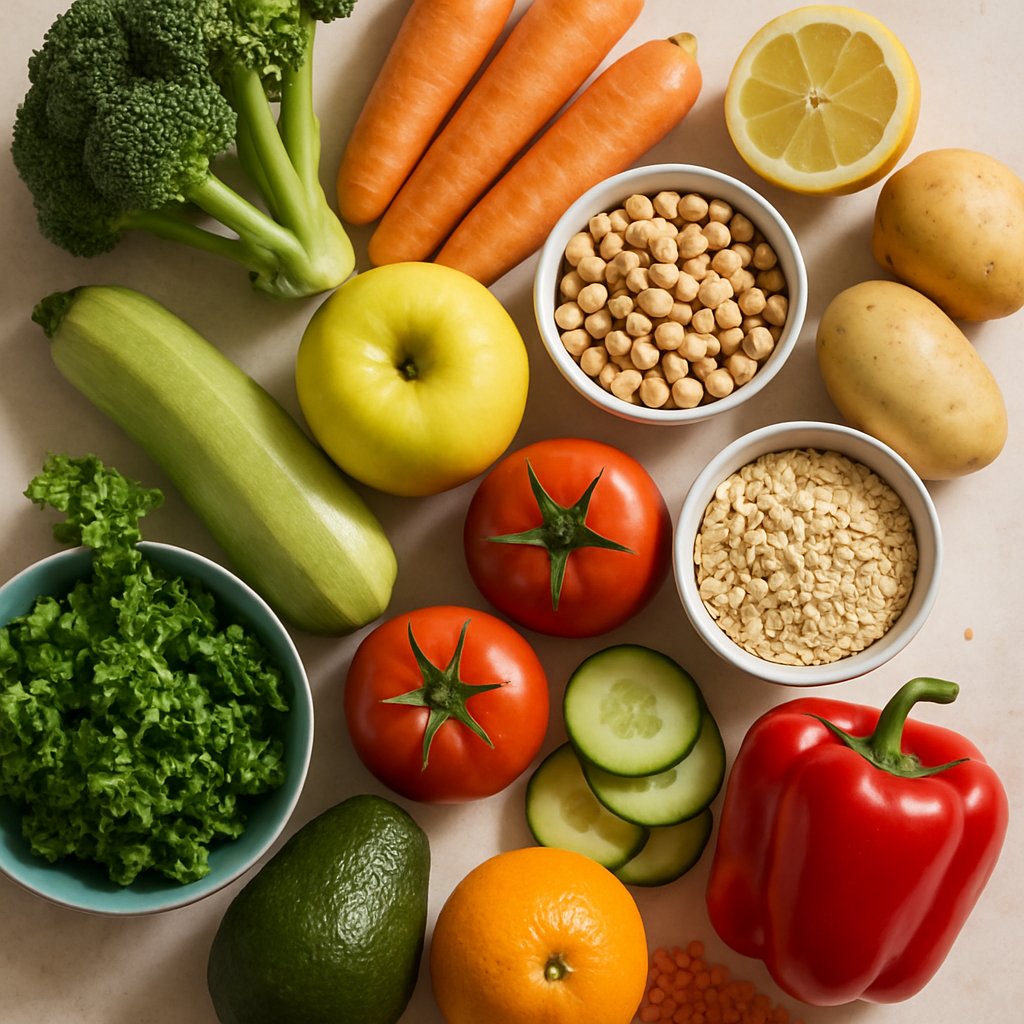
# How to Eat Fresh Food for Less Than Junk Food
There's a persistent idea that eating well costs more — that fresh food is a luxury and processed food is the budget option. It's a compelling narrative, but the numbers don't actually hold up when you look closely.
A bag of lentils, a head of broccoli, and a tin of tomatoes can feed two people a genuinely nutritious meal for under £2. A meal deal or fast food order for one person regularly tops £6–8. The maths is doing something interesting here.
---
The myth that fresh food is expensive
The "healthy eating is expensive" story has stuck around because it contains a grain of truth. Premium health foods — specialist protein bars, organic everything, branded superfood powders — genuinely are expensive. But those products aren't what we're talking about when we say "fresh food." They're a niche corner of the market that's been conflated with eating well in general.
When researchers at the Harvard T.H. Chan School of Public Health looked at the actual cost difference between a healthy diet and an unhealthy one, they found the gap was roughly $1.50 per person per day — or about £1.20 in UK terms. That's the upper estimate. And that figure assumed people were buying everything at full price with no planning whatsoever.
With even a modest amount of meal planning, that gap closes to almost nothing — or reverses entirely.
---
What the evidence shows
A 2021 analysis published in PLOS Medicine modelled the economic and health impact of dietary changes across the UK population. One of its findings was that the biggest barrier to dietary improvement wasn't cost — it was familiarity and habit. People defaulted to processed food not because it was cheaper, but because it was faster, easier to plan, and more predictable.
A separate study from the Food Foundation found that people in the UK's lowest income decile spend proportionally more of their food budget on ultra-processed foods — not because they're uninformed, but because those foods offer predictability, convenience, and calorie density in a way that feels reliable when money is tight.
This matters because it reframes the problem. The barrier to eating fresh food on a budget isn't usually the price per kilogram — it's the mental overhead of knowing what to buy, how to use it before it goes off, and how to build a meal out of it.
---
The real cost comparison
Let's run some honest numbers. A standard fast food meal — burger, fries, drink — costs roughly £6–9 depending on the chain. A meal deal from a supermarket or coffee shop sits at £4–6. Two or three of those a week and you're spending £15–20 before you've bought any food to cook at home.
Now consider what £15 buys in a supermarket when it's spent on whole ingredients:
- 1kg dried red lentils: ~£1.50
- 1kg chicken thighs (bone-in): ~£3.00
- 400g tin of chickpeas: ~55p
- Bag of frozen spinach: ~£1.00
- 500g dried pasta: ~65p
- Bag of carrots: ~45p
- Tin of chopped tomatoes: ~40p
- Onions (1kg bag): ~60p
- Garlic bulb: ~40p
That haul — roughly £8.55 — contains the foundation for five or six solid meals for two people. Per serving, you're looking at well under £1. The comparison isn't even close once you cook from scratch even two or three nights a week.
---
Where fresh food actually gets wasted (and how to stop it)
The legitimate concern with buying fresh food on a budget is waste. If a bag of spinach wilts before you use it, or a courgette goes soft at the back of the fridge, then your theoretical savings evaporate. This is the real enemy — not the cost of fresh food itself, but the spoilage rate.
A few things genuinely help here:
Frozen vegetables are nutritionally equivalent to fresh. The freezing process for most vegetables happens within hours of harvest, which often means frozen peas or spinach retain more nutrients than "fresh" versions that have been sitting in a supply chain for days. Frozen food also eliminates the waste problem entirely.
Buying in the right quantities matters more than buying cheap. Two courgettes you'll actually use beats six for a bargain that end up in the bin. Buying less, more intentionally, is often better economics than bulk buying things that spoil.
Meal planning is the single biggest lever. When you know what you're cooking on Tuesday, you only buy what Tuesday's meal needs. Without a plan, you overbuy and improvise — both of which cost more.
---
The ingredients that give you the most for your money
Not all fresh and whole foods are equal in terms of cost-per-nutrition. Some genuinely overdeliver on what you spend.
Eggs remain one of the best value protein sources available — roughly 20p per egg, each providing around 6g of protein alongside fat-soluble vitamins and choline. A two-egg omelette with vegetables costs less than £1 and delivers a solid nutritional profile.
Tinned and dried pulses — lentils, chickpeas, black beans, kidney beans — are arguably the most underrated staple in British kitchens. Dried lentils in particular provide protein, fibre, iron, and slow-digesting carbohydrates at a cost of roughly 15–20p per serving. They also bulk out meat dishes, reducing how much meat you need.
Whole grains like oats and brown rice cost almost nothing per serving and provide sustained energy, fibre, and useful micronutrients. A 1kg bag of rolled oats costs around £1 and contains roughly 10 servings.
Seasonal vegetables are worth paying attention to. A courgette in August costs far less than the same courgette imported in February. Buying what's actually in season in the UK — root vegetables in winter, brassicas in autumn, salad leaves in summer — consistently brings prices down.
---
A practical approach that actually works
The gap between knowing this and doing it is real, so here's a framework that doesn't require a spreadsheet or a culinary degree.
Pick two or three "base" meals each week. These are meals you know well and can make without thinking — a pasta dish, a lentil soup, a stir-fry. Base meals are fast, cheap, and low-effort. They stop you reaching for a takeaway on a tired Wednesday evening.
Build your shopping list from your meals, not the other way around. Most people browse a supermarket hoping inspiration will strike. It doesn't, or it strikes in the direction of things they don't need. Write a list from a weekly meal plan first.
Use your freezer properly. Batch-cook grains and pulses, freeze portions of sauce or soup, keep a bag of mixed frozen vegetables as a fallback. A well-stocked freezer is a buffer against both waste and the temptation to order something when the fridge looks bare.
Let tinned food do more work. Tinned tomatoes, tinned fish, tinned pulses, tinned sweetcorn — these are not inferior products. They're convenient, nutritious, long-lasting, and genuinely affordable. A kitchen stocked with good tinned basics can produce a decent meal in under 20 minutes.
---
Practical takeaways
- Drop the premium health food aisle — you don't need it. The staples that do the nutritional heavy lifting cost almost nothing.
- Replace one takeaway or meal deal a week with a batch-cooked meal. That single swap saves most people £20–30 a month.
- Frozen vegetables are your friend — buy them without guilt and use them freely.
- Tinned pulses and eggs are the best-value protein sources in the supermarket. Make them regulars.
- Plan before you shop. Even a rough plan for three or four dinners transforms your shopping efficiency and cuts waste dramatically.
The premise that eating well is financially out of reach doesn't reflect what's actually in the supermarket. The fresh, whole foods that support good nutrition are — with a bit of planning — consistently cheaper than the processed alternatives people assume are the budget option.
If you want to take the guesswork out of meal planning on a budget, Macrology generates macro-perfect meal plans in seconds — https://macrology.app/signin
Want meals like this planned to your exact macros?
Macrology generates a personalised meal plan in seconds — breakfast, lunch, dinner and snacks, all hitting your daily targets.
Start your free 14-day trial